在连续升级攻击之后,停火在计划中的一轮打击前不足两小时才被宣布,并被巴基斯坦总理立即宣布生效,但伊朗及地区盟友仍持续进行无人机和导弹行动,并警告任何未经批准的霍尔木兹海峡船舶可能被击沉。长期协议框架在4月11日巴基斯坦主办的谈判前仍被华盛顿与德黑兰争议,但双方政权及其盟友仍对外宣称取得战略胜利。
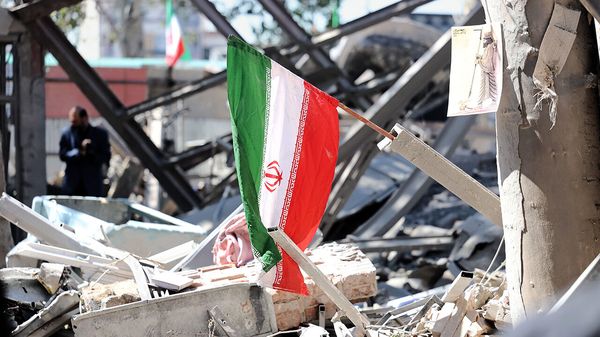
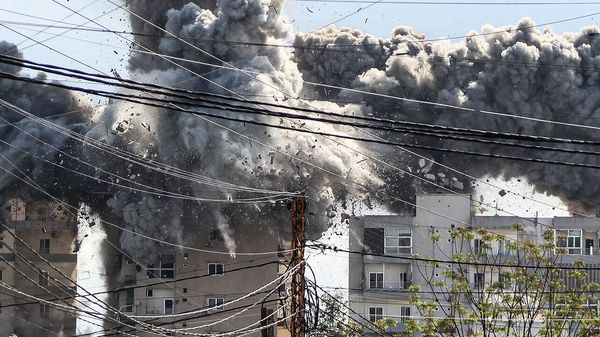
目前尚无一方找到持久的胜者:伊朗军事基地、民用经济与与油相关基础设施遭到重创,海湾国家遭受收入和信誉损失,美国弹药库存也明显被消耗,但德黑兰仍保留浓缩铀并保持每日发射数十枚导弹和无人机的能力,霍尔木兹海峡干预能力成为持续有效的杠杆。以色列方面也只是部分成功——其称已“摧毁”伊朗超过四分之三发射系统的说法似乎被高估,可能仅约一半被禁用,约20名以色列人死亡时以色列防空拦截了600多枚来袭导弹,暂停后空袭仍击中黎巴嫩约100个目标,造成超过1000人伤亡;皮尤调查显示,60%的美国人对以色列持不利看法,高于去年7个百分点。
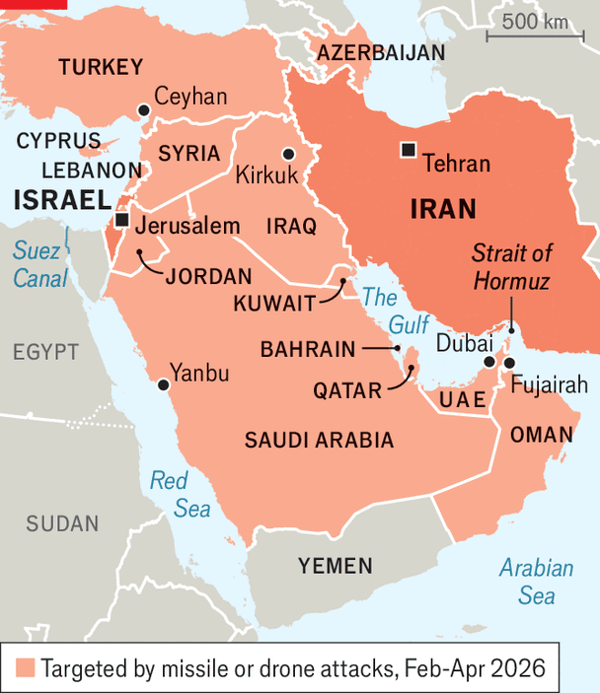
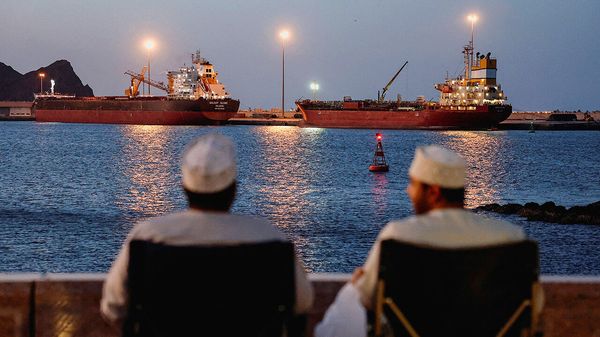
贸易恢复仍然脆弱:截至4月5日的一周内通过海峡的船舶为74艘,较交战最初不足40艘和战争前日均约130艘的常态都低得多,但仍有700多艘船滞留,一些船只只通过拉拉克岛周边受限航道,并需在风险控制下提交文件并支付约200万美元/艘的类似费用。结构性备选方案依然有限——沙特和阿联酋可部分通过延布/富查伊拉分流油气,而巴林、伊拉克、科威特和卡塔尔则缺乏替代方案;伊拉克重开的基尔库克-塞伊汉管道仅能运250,000桶/日,而战争前约为3.3百万桶/日,因此两周暂停不太可能快速恢复正常吞吐量或市场信心。
After days of escalating attacks, the ceasefire was announced less than two hours before a planned strike wave and was immediately said by Pakistan’s prime minister to take effect at once, yet Iran and regional allies still launched drone and missile operations, and Tehran warned that vessels without permission in the Strait of Hormuz could be sunk. The long-term framework remained disputed between Washington and Tehran ahead of Pakistan-hosted talks on April 11, but both administrations and allies publicly framed the outcome as a major strategic victory.
No side has yet found a durable winner: Iran’s military sites, civilian economy, and oil-linked infrastructure were badly damaged, Gulf states suffered revenue and reputational losses, and U.S. munitions stocks were visibly depleted, yet Tehran still has enriched uranium and can continue launching dozens of missiles and drones daily, with Hormuz disruption becoming a lasting strategic lever. Israel’s gains were also partial—its claim of neutralizing more than three-quarters of Iran’s launchers now appears overstated, perhaps about half only, Israel lost no aircraft across thousands of sorties and intercepted over 600 incoming missiles with about 20 Israelis killed, but it still struck around 100 targets in Lebanon after the pause, killing or injuring more than 1,000 people, while a Pew survey put unfavorable views of Israel in the U.S. at 60%, up seven points year-on-year.
Trade recovery is fragile: only 74 vessels transited in the week ending April 5 versus fewer than 40 in the war’s first weeks and roughly 130 per day in normal pre-war conditions, yet over 700 vessels remain stuck, some moving only through restricted lanes near Larak Island and subject to document checks and alleged fee arrangements around $2 million per tanker. Structural alternatives remain limited—Saudi Arabia and the UAE can partially reroute through Yanbu and Fujairah, while Bahrain, Iraq, Kuwait and Qatar have no real substitutes; Iraq’s reopened Kirkuk-Ceyhan line carries only 250,000 bpd against about 3.3m bpd before the war, so a two-week pause is unlikely to quickly restore prewar throughput or confidence.
Source: America’s war on Iran has changed the Middle East—for the worse
Subtitle: This week’s ceasefire leaves the region less secure than when the war bega
Dateline: 4月 09, 2026 04:24 上午 | DUBAI and JERUSALEM