国际度量衡局(BIPM)被提议在制定月球参考时间方面发挥核心作用,各成员国预计将于2026年10月投票表决相关决议。该组织自1875年成立以来一直负责维护米、公斤等基准测量标准,如今有望将职责扩展至外太空领域。BIPM局长Annette Koo表示,各太空机构一致认为,若缺乏协调的月球时间,将无法实现月球上技术互通的目标。
月球计时标准化的需求日益迫切,美国和中国均计划在未来几年内将太空人送上月球并建立月球基地。NASA正与欧洲太空总署及日本宇宙航空研究开发机构合作开发「LunaNet」月球通讯与导航服务计划。此外,BIPM也在推进基本测量精度的改进工作,包括以普朗克常数为基础重新定义公斤,实现测量的「民主化」。
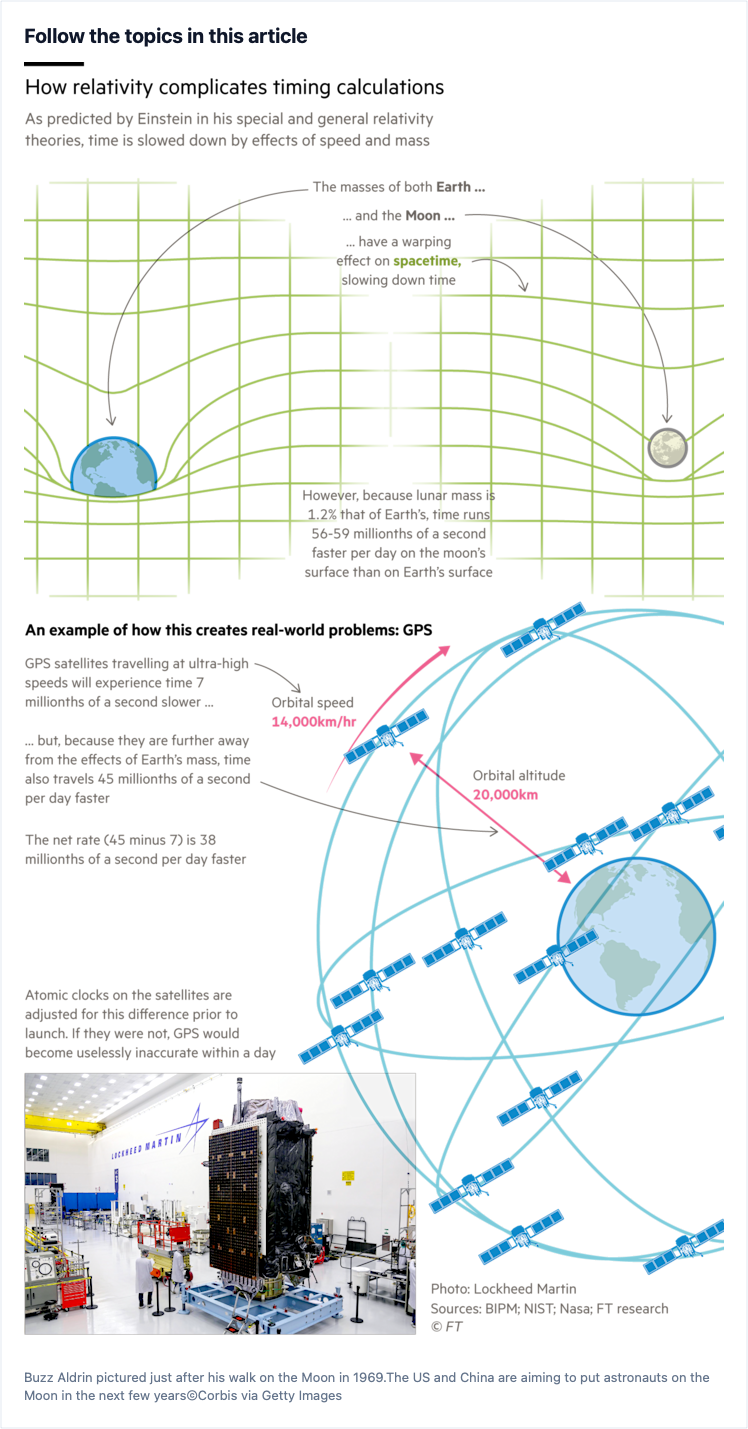
World powers are negotiating a unified timekeeping standard for the Moon. Due to weaker lunar gravity, clocks on the Moon tick about 57 microseconds faster per day than on Earth, a consequence of time dilation described by Einstein's general relativity. While imperceptible to humans, this discrepancy could cause catastrophic navigation and communication errors for lunar missions, potentially misdirecting spacecraft landings or miscalculating astronaut positions.
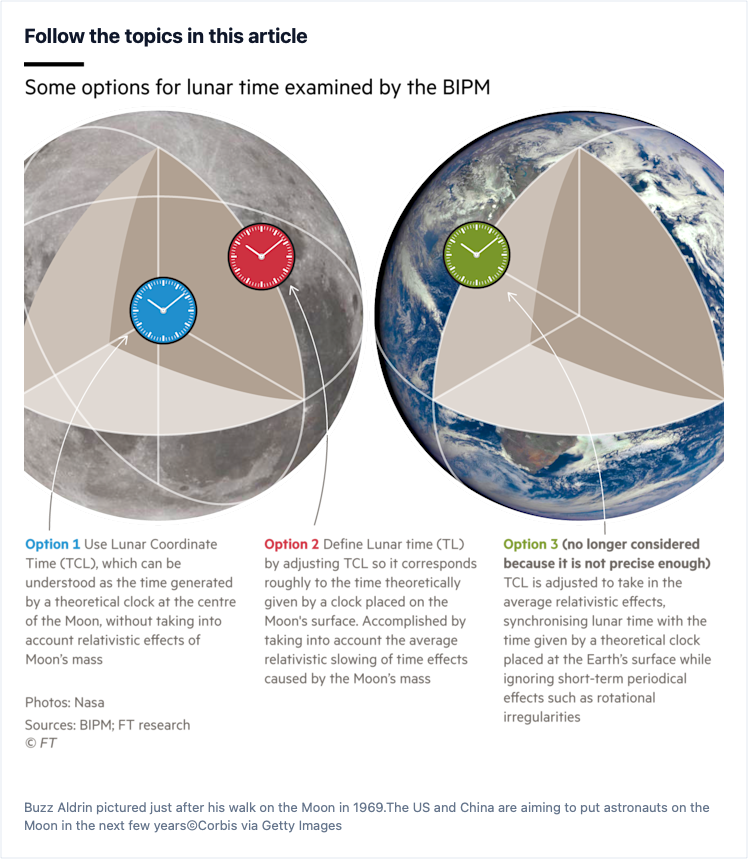
The International Bureau of Weights and Measures (BIPM), the Paris-based guardian of fundamental measurement standards since 1875, has been proposed to take a central role in establishing a lunar reference time. Member states are expected to vote on a resolution in October 2026. BIPM Director Annette Koo noted that all consulted space agencies agree that coordinated lunar time is essential for interoperable technology on the Moon, and that the framework should be designed to extend to other celestial bodies such as Mars.
The urgency for lunar time standardisation has intensified as both the US and China plan to send astronauts to the Moon in coming years and build permanent bases. NASA is developing the LunaNet initiative for lunar communication and navigation in collaboration with the European Space Agency, JAXA, and commercial partners. The BIPM's lunar work is part of its broader mission to improve measurement precision, including the landmark redefinition of the kilogramme using Planck's constant, moving away from degradable physical artefacts toward universally accessible mathematical definitions.