伊朗自1980年代起依托伊斯兰革命卫队(IRGC)精心构建的“抵抗之弧”代理人网络正经历不可逆的结构性分化。该战略最初旨在将真主党等武装打造成前沿防御屏障以弥补常规军力的不足,然而自2023年10月7日冲突爆发以来引发的连锁战争彻底击穿了这一防御网,导致伊朗本土在过去15个月内两度遭到直接打击。随着叙利亚阿萨德政权垮台并切断了通往黎凡特的陆路走廊、伊拉克政府要求各民兵派系在10月前缴械,加之哈马斯与真主党遭遇重创,这个横跨中东的军事政治网络正从统一行动的集团退化为诉求各异的松散实体。
在这一分化过程中,各代理人组织因自身受损程度不同而走向完全不同的轨道。曾坐拥逾10万枚导弹的真主党在纳斯鲁拉于2024年遇刺及大批骨干指挥官阵亡后实力腰斩,继任者卡西姆缺乏号召力,导致革命卫队直接接管指挥权并在3月强推其重启对以战事,使其彻底沦为德黑兰高度管控却战斗力衰退的附庸。相反,也门胡塞武装则演变为最具战略自主性的力量,不仅凭借反舰导弹重创红海航运并击落美军“死神”无人机,更建立起自主武器制造能力,并积极与索马里青年党结盟,甚至直接与中俄开展高层接触,完全不再唯德黑兰马首是瞻。
处于中间地带的武装派系则加速寻求外部多元庇护。伊拉克什叶派民兵组织目前依靠巴格达政府财政供养,编制内武装人员超过20万人,因担忧自身优厚地位受损而不愿全力听命于伊朗,迫使革命卫队不得不另设秘密基层细胞以袭击海湾目标;哈马斯内部则因教派分歧及战争重创,正积极寻求倒向土耳其与海湾阿拉伯国家,并在3月公开敦促德黑兰停止针对海湾阿拉伯邻国的袭击。鉴于战事造成数百亿美元的经济损失、美国严密的海上封锁以及国内财政破产,伊朗已无力维系昔日无节制的慷慨资助,整个抵抗网络正如同1980年代苏联阵营的客户国一样,步入不可逆转的去中心化解体与重组周期。
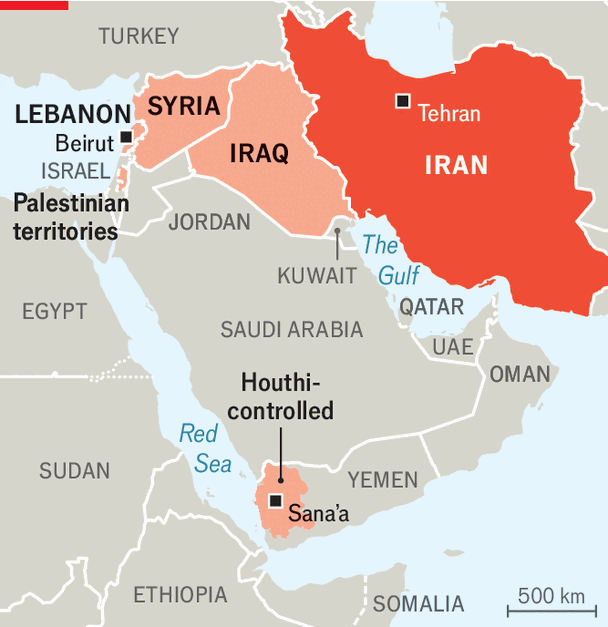
Iran’s regional proxy network, historically designated the "axis of resistance," is undergoing irreversible fragmentation following systemic operational failures. Conceived in the 1980s by the Islamic Revolutionary Guard Corps (IRGC) to deploy non-state militias as forward-defense shock absorbers, this deterrence architecture collapsed following the October 7th, 2023 attacks, culminating in direct strikes against Iranian territory twice over the past 15 months. With Bashar al-Assad’s regime overthrown in Syria—severing the primary overland logistical corridor to the Levant—the Iraqi government demanding militia disarmament by October, and principal proxies decimated, Tehran’s regional conglomerate has fractured into divergent entities pursuing independent survival strategies.
The operational trajectory of these proxies varies inversely with their remaining domestic capabilities. Hizbullah, which boasted over 100,000 rockets and elite commandos prior to 2023, was structurally hollowed out by Israeli decapitation strikes that eliminated Hassan Nasrallah in 2024 along with his senior cadre. Under weak successor Naim Qassem, the IRGC inserted direct commanders to force a renewed clash with Israel in March, transforming the group into a tightly micromanaged ward retained primarily for symbolic deterrence. Conversely, Yemen’s Houthis have maximized strategic autonomy: leveraging indigenous drone and anti-ship missile production to choke Red Sea maritime traffic and shoot down American Reaper drones, the group operates independently of Iranian dictates, forging external pacts with Somalia’s al-Shabab and engaging diplomatic delegations in Moscow and Beijing.
Intermediate proxies are actively diversifying patronage away from Tehran's bankrupt center. In Iraq, where the national government sustains over 200,000 state-salaried paramilitary fighters, entrenched militias increasingly refuse to jeopardize lucrative municipal standing, forcing the IRGC to deploy covert tactical cells to strike Gulf targets. Simultaneously, Sunni Hamas seeks renewed alignment with Turkey and Gulf powers, having implored Iran in March to cease hostilities against Arabian monarchies. Constrained by hundreds of billions of dollars in domestic war damages, strict American naval blockades, and depleted financial reserves, Tehran can no longer underwrite regional adventurism, triggering a decentralized restructuring reminiscent of the unraveling of Soviet client networks in the 1980s.
Source: Iran’s proxies are going their own way
Subtitle: After three years of war, the axis of resistance is no longer an axis
Dateline: Sep 3rd 2026