目前支撑这种极端估值的主要动力来自于人工智慧(AI)相关产业的繁荣,市场对科技巨头和晶片供应商未来的庞大获利抱持高度期待。然而,历史上的重大技术创新往往伴随著过度投资、激烈竞争和企业破产潮,无法保证绝对的丰厚利润。除非未来能实现生产力的大幅提升或资本收益的结构性转变,否则当前的AI狂热可能难以长期支撑如此不合理的市场定价。
尽管市场沉浸在乐观情绪中,但许多潜在的系统性风险正对全球经济构成威胁,随时可能成为引发股市崩盘的导火线。这些风险因素包含美国政府的高额财政赤字、全球公私部门创纪录的债务水平、地缘政治的动荡与贸易战、去全球化趋势,以及非银行金融机构带来的金融脆弱性。面对这些不可忽视的威胁,投资者应审慎评估风险,并考虑采取避险措施以保护自身资产。
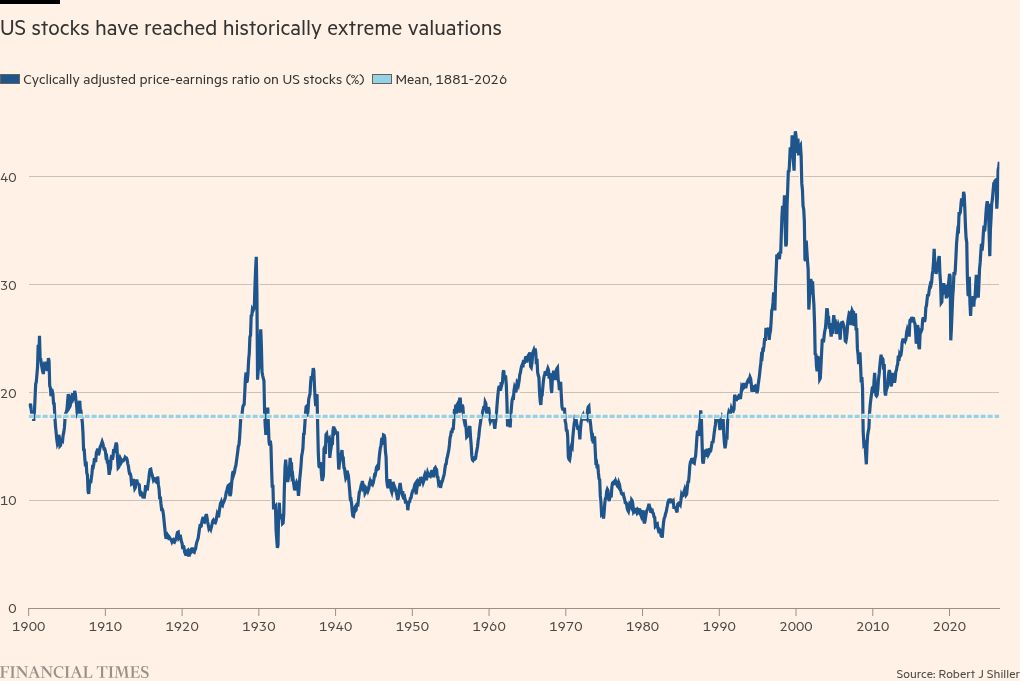
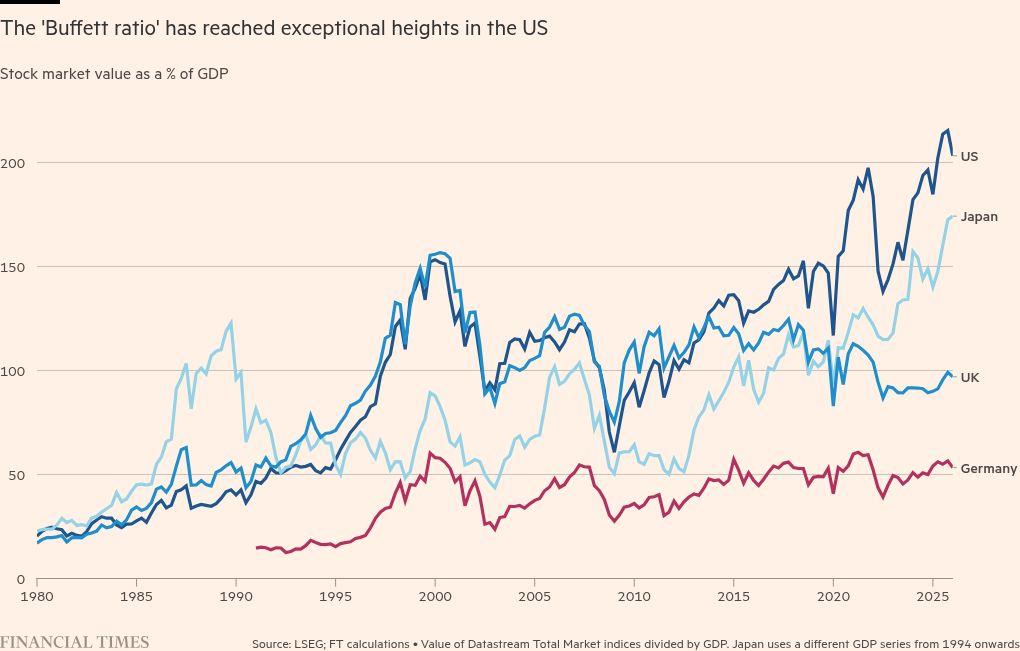
In 2026, the valuation of the US stock market has reached historic highs, surpassing even the levels seen just before the Great Crash of 1929 and second only to the peak of the 1999 dotcom bubble. Economists utilizing metrics such as the cyclically adjusted price-to-earnings (CAPE) ratio and the "Buffett indicator" point out that current market pricing is extremely expensive. Historical trends strongly suggest that when stock valuations reach such extreme levels, they are often followed by severe market crashes and extended periods of poor returns.
The primary driver sustaining these extraordinary valuations is the boom surrounding artificial intelligence (AI), with the market holding high expectations for massive future profits from tech giants and chip suppliers. However, history demonstrates that major technological innovations are frequently accompanied by over-investment, fierce competition, and waves of bankruptcies, rather than guaranteed massive profits. Unless there is a significant surge in productivity or a structural shift in capital gains, the current AI frenzy may struggle to justify such irrational market pricing over the long term.
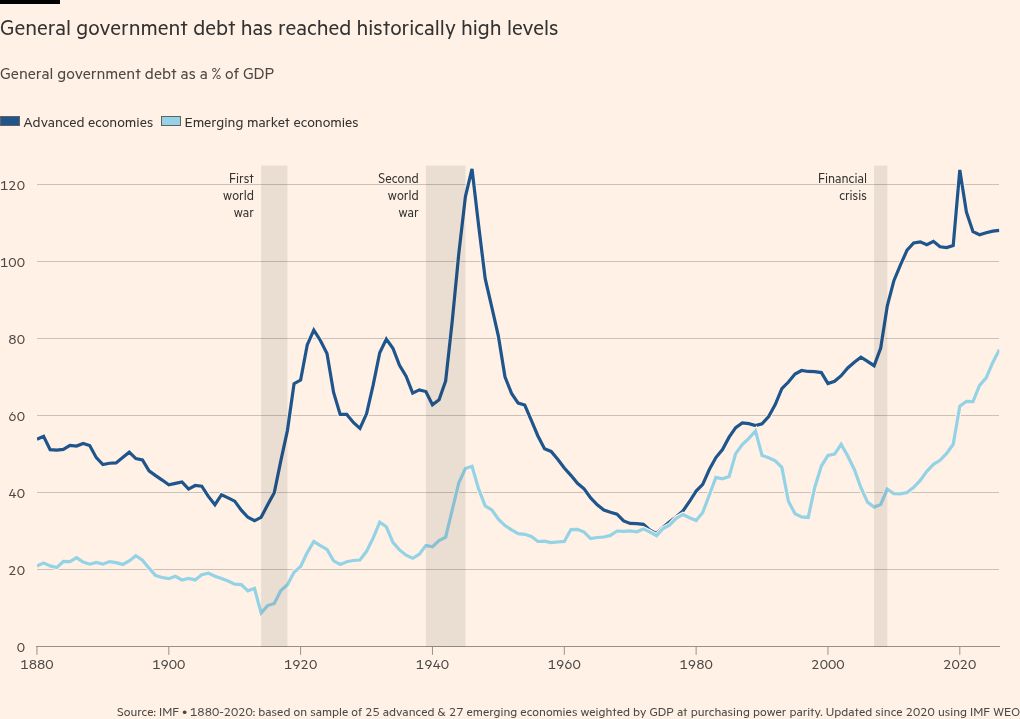
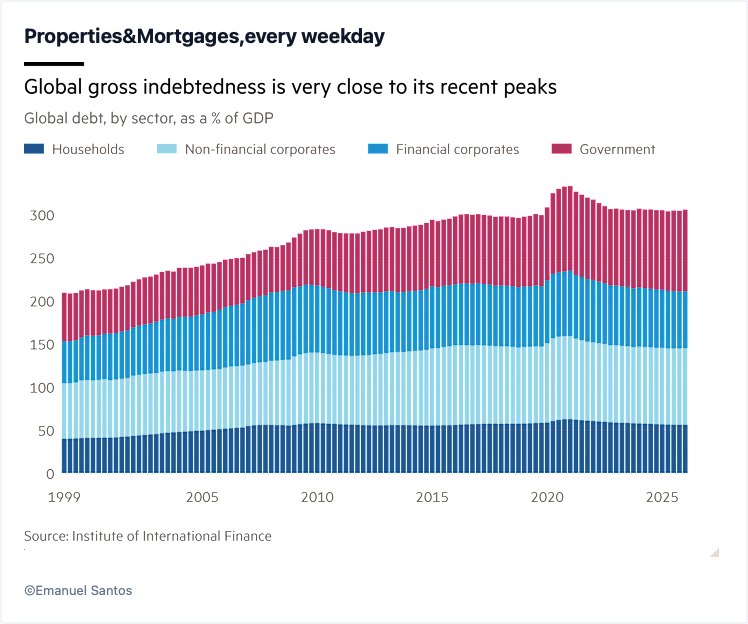
Despite the prevailing market optimism, numerous underlying systemic risks are threatening the global economy and could act as catalysts for a severe stock market correction at any moment. These risk factors include massive US government fiscal deficits, record-high public and private debt levels globally, geopolitical turmoil and trade wars, deglobalization trends, and the financial fragility introduced by non-bank financial institutions. In the face of these substantial threats, investors are advised to carefully evaluate their risks and consider hedging strategies to protect their assets.