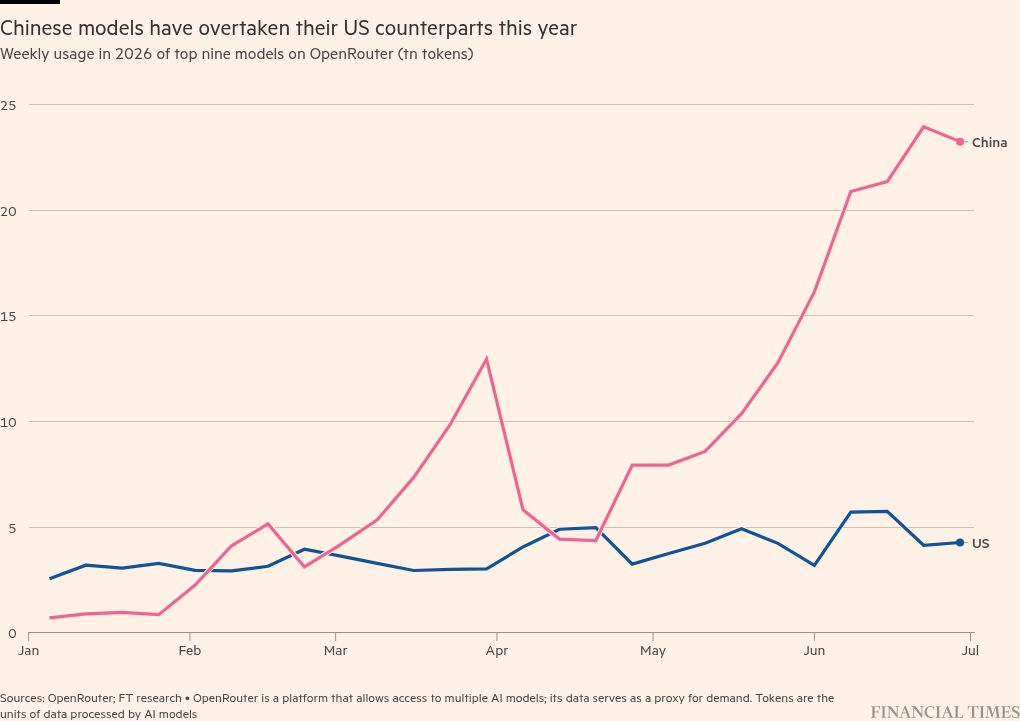
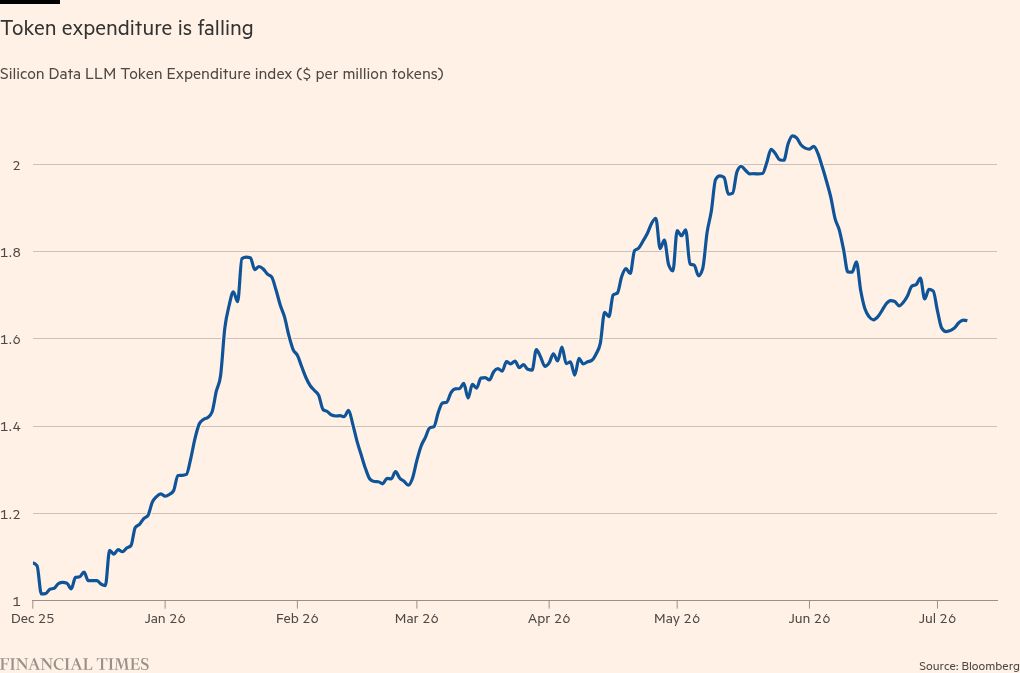
然而,这种补贴模式正走向终结,许多人工智慧服务开始转向基于使用量的定价。这导致用户开始限制使用量,并转向成本更低且多为开源的中国人工智慧模型。这引发了人们对巨额人工智慧投资能否转化为实际利润的质疑,甚至担忧人工智慧技术会像电力一样商品化,使得基础设施投资面临巨大风险。
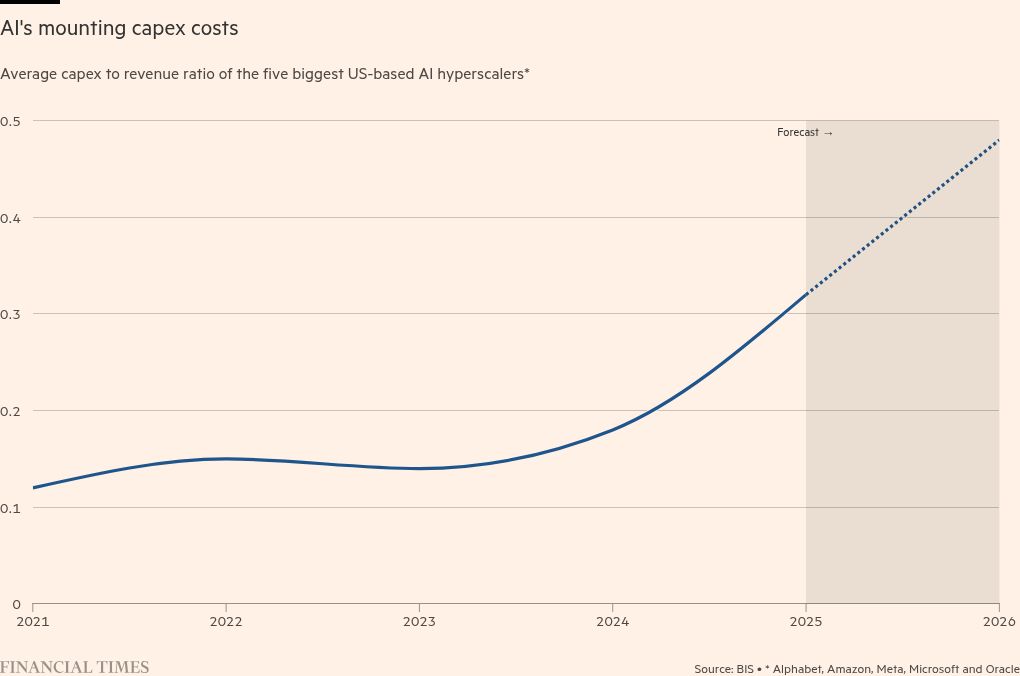
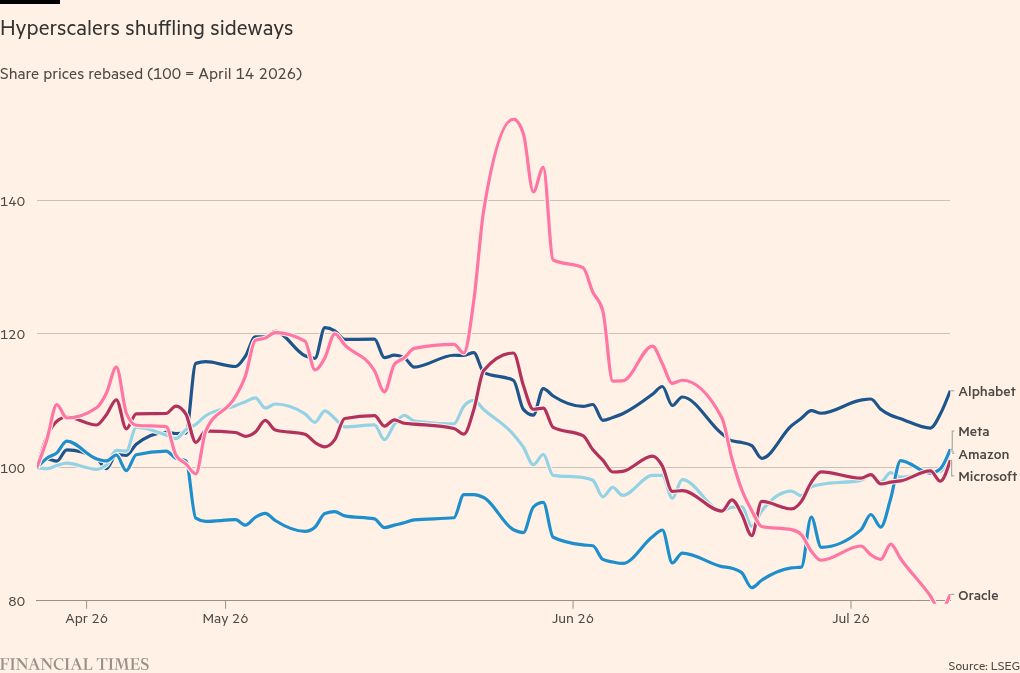
总结来说,目前的人工智慧热潮建立在该技术将实现盈利且需求将迅速普及的两大假设之上。然而,普及速度可能需要长达十五年的时间,且主要科技公司资本支出的激增与其股价停滞不前形成了强烈对比。这表明,尽管人工智慧技术本身令人兴奋,但作为一项投资交易,市场的过度热情可能隐藏著资本错配的危机。
Despite a significant increase in second-quarter earnings for TSMC, its shares and the broader tech market fell due to soaring expectations for the chip and AI industries. For a long time, AI model makers offered services below cost to attract users and fuel the chip boom, while investors willingly covered these losses in anticipation of massive future returns.
However, this subsidy model is coming to an end as many AI services transition to usage-based pricing. This shift has led users to ration their consumption and pivot towards lower-cost, predominantly open-source Chinese AI models. It raises serious doubts about whether immense AI investments can translate into actual profits, sparking fears that AI might become commoditized like electricity, thereby jeopardizing infrastructure investments.
In conclusion, the current AI trade relies on the two major assumptions that the technology will be profitable and that widespread demand is imminent. Yet, mass adoption could take up to fifteen years, and the surge in capital expenditures by major tech companies contrasts sharply with their stagnant stock prices. This suggests that while AI technology itself is exciting, the market's exuberance as an investment trade may conceal a crisis of capital misallocation.