欧盟长达约300页的《包装和包装废弃物法规》(PPWR)于今年8月正式生效,旨在通过标准化标签、限制全氟和多氟烷基物质(PFAS)以及逐步淘汰酒店一次性洗发水瓶和番茄酱小包装来遏制垃圾激增。目前欧盟人均每年产生178公斤包装废弃物,其中整体回收率为68%;塑料包装占35公斤,但其回收率仅为42%。在跨境电商驱动下,若缺乏干预,到2030年欧盟包装废弃物预计将激增19%。该法规为过渡设立了时间表,包装生产商须在2028年前引入标准化材料及处置标签,针对生鲜果蔬及微型日化用品的一次性塑料禁令则将于2030年生效。
然而,随法规立即生效的生产者责任延伸(EPR)机制却引发了跨境中小企业的灾难性混乱。现行规则强制跨境销售企业必须在欧盟全部27个成员国分别进行独立注册、聘请27名当地法定授权代表,并以多种语言提交繁杂的合规报告。欧洲委员会此前曾提议将聘请本地代表的要求暂缓至2035年,但在6月的欧盟理事会会议上遭到奥地利和西班牙等国的联合否决,后者担忧放宽本地追责会导致电商漏报数据或逃避回收税费。这导致德国帕绍拥有35名员工的B2B电子零售商Itrade等企业合规成本暴涨,其员工不仅被迫耗费大量时间处理技术文件,自8月12日起更因产地溯源不明而不得不废弃原本可循环利用的纸箱。
面对极度繁琐且昂贵的行政壁垒,欧洲中小零售商正大批退出跨境单一市场。德国皮具网店Picadera停止向德奥以外的所有欧盟国家发货,科隆内衣品牌Le Pop Lingerie将业务局限在英、德、挪威与瑞士,柏林骑行装备商Pitlock亦全面暂停向其他成员国配送。欧洲议会议员安德烈娅·韦克斯勒批评该法规实质上破坏了单一市场逻辑,呼吁以统一的欧盟数据库取代27国独立系统,并豁免极微型企业。欧洲议会定于10月辩论中小企业豁免条款,而德国环境部亦在9月7日提出综合减负法案,主张对年包装废弃物少于10吨的企业免除部分合规义务,力图纠正这项事前缺乏推演、事后导致市场割裂的官僚失误。
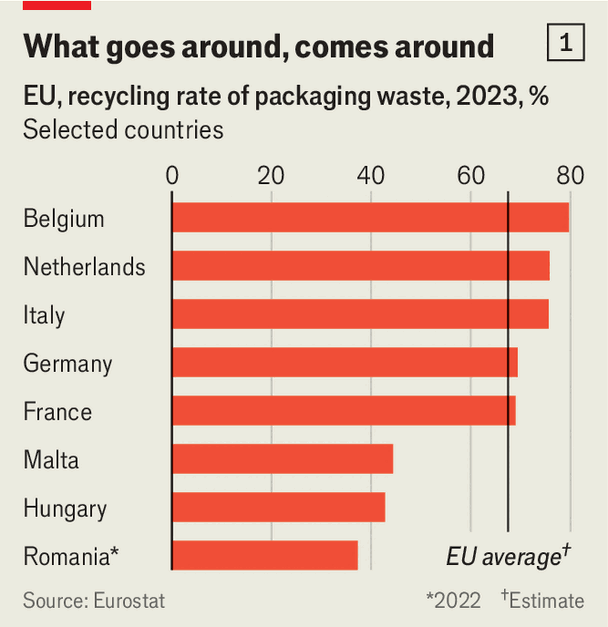
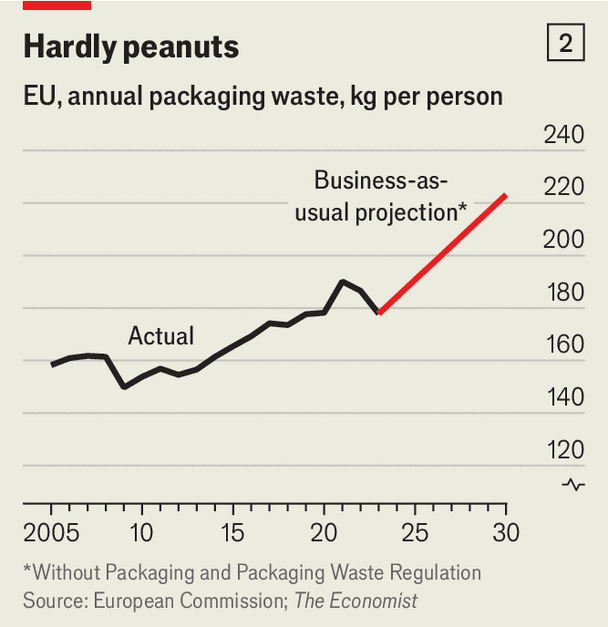
The European Union’s roughly 300-page Packaging and Packaging Waste Regulation (PPWR) took effect in August, establishing sweeping standards to curb escalating waste, restrict toxic PFAS chemicals, and eventually ban single-use hotel toiletries and miniature condiment sachets. Annually, each EU resident generates 178kg of packaging waste, of which 68% is recycled; plastics comprise 35kg with an inferior recycling rate of just 42%. Driven by e-commerce expansion, aggregate packaging refuse is projected to surge by 19% by 2030 absent intervention. While full bans on fresh produce plastic and micro-sachets phase in by 2030 and standardized material labeling becomes mandatory in 2028, immediate provisions have triggered widespread commercial dysfunction.
The immediate rollout of the Extended Producer Responsibility (EPR) framework has severely penalised cross-border small businesses. The statute mandates that exporters register with separate regulatory databases across all 27 EU member states, hire 27 authorized local representatives, and submit compliance filings in diverse languages. A European Commission proposal to suspend the local representative requirement until 2035 was blocked in the EU Council in June by member states like Austria and Spain over fears that deregulation would facilitate recycling-fee evasion. Consequently, small firms such as Itrade, a German electronics wholesaler with 35 staff, face crippling bureaucratic friction: since August 12th, the company must conduct complex compliance assessments and discard reusable packaging cartons of uncertain provenance rather than recycling them.
These insurmountable compliance costs directly undermine the fundamental principles of the European single market. Niche cross-border vendors have ceased internal trade: equestrian retailer Picadera suspended shipments to all EU nations outside Germany and Austria, Cologne-based Le Pop Lingerie halted exports to non-domestic EU buyers, and cycling gear manufacturer Pitlock paused cross-border fulfillment entirely. German MEP Andrea Wechsler has pushed for a centralized EU registry and sweeping small-business exemptions; the European Parliament is slated to debate relief thresholds in October. Concurrently, Germany’s environment ministry proposed an omnibus package on September 7th to exempt enterprises generating under ten tonnes of packaging waste annually, seeking to mitigate a bureaucratic misfire that has fragmented internal commerce.
Source: The EU’s new packaging rules are a bureaucratic bungle
Subtitle: Get ready for a ban on mini-sachets of ketchup, and much more
Dateline: Sep 24th 2026\n