中国商务部拒绝承认产能过剩的担忧,反而强烈捍卫其产业政策,并试图将出口激增描绘成全球的机遇。然而,这种说法掩盖了中国国内消费疲软、房地产行业崩溃以及汽车产业在海外销量创新高但利润下滑的内部经济困境。
为了避免双边关系彻底破裂,中国应该考虑展现善意,例如逐步取消对面临产能过剩和贸易摩擦行业的出口退税。这项举措虽然无法完全消除贸易顺差,但能表明北京意识到当前问题的严重性,进而可能促使欧盟延缓实施更严厉的贸易限制。
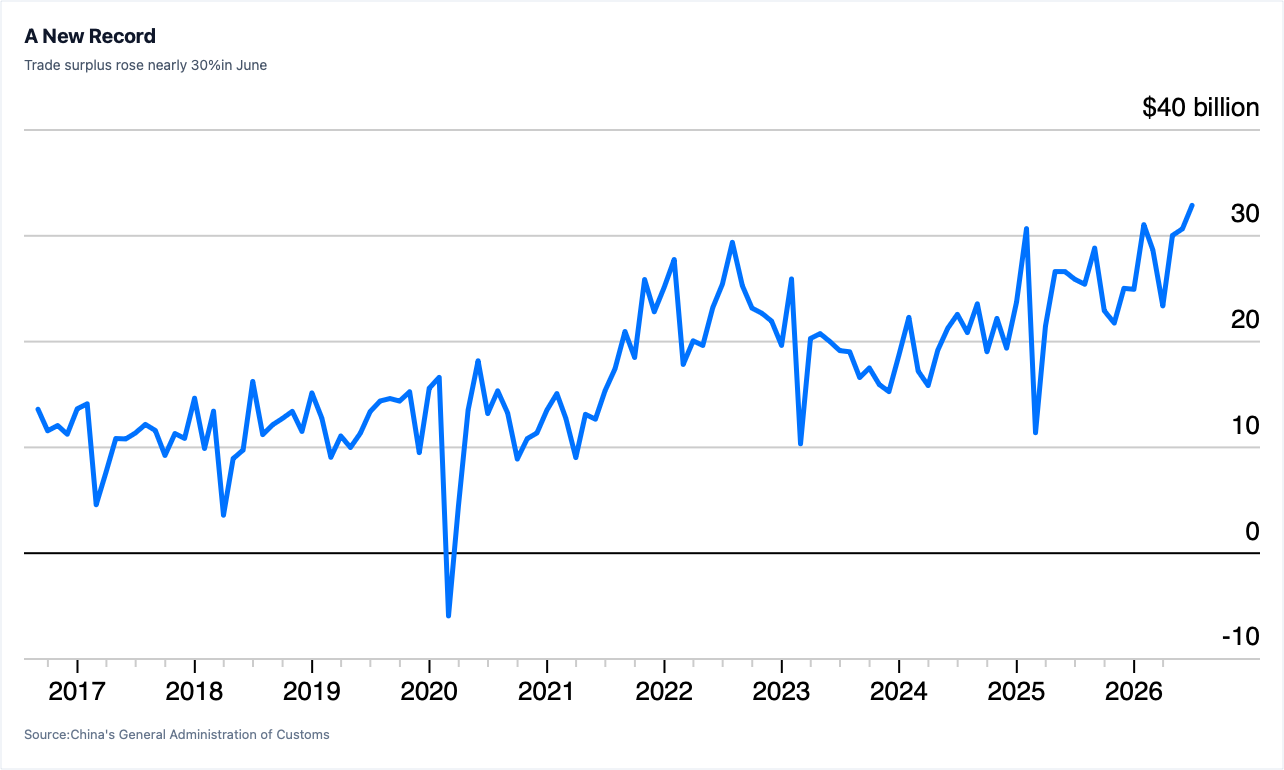
A recently published policy document from China indicates that Beijing has little room for compromise regarding its trade imbalance with the European Union, causing hopes for an amicable resolution to fade. Faced with a trade deficit exceeding one billion dollars a day and the threat of industrial hollowing out, the EU is actively preparing to implement broader protectionist defensive measures.
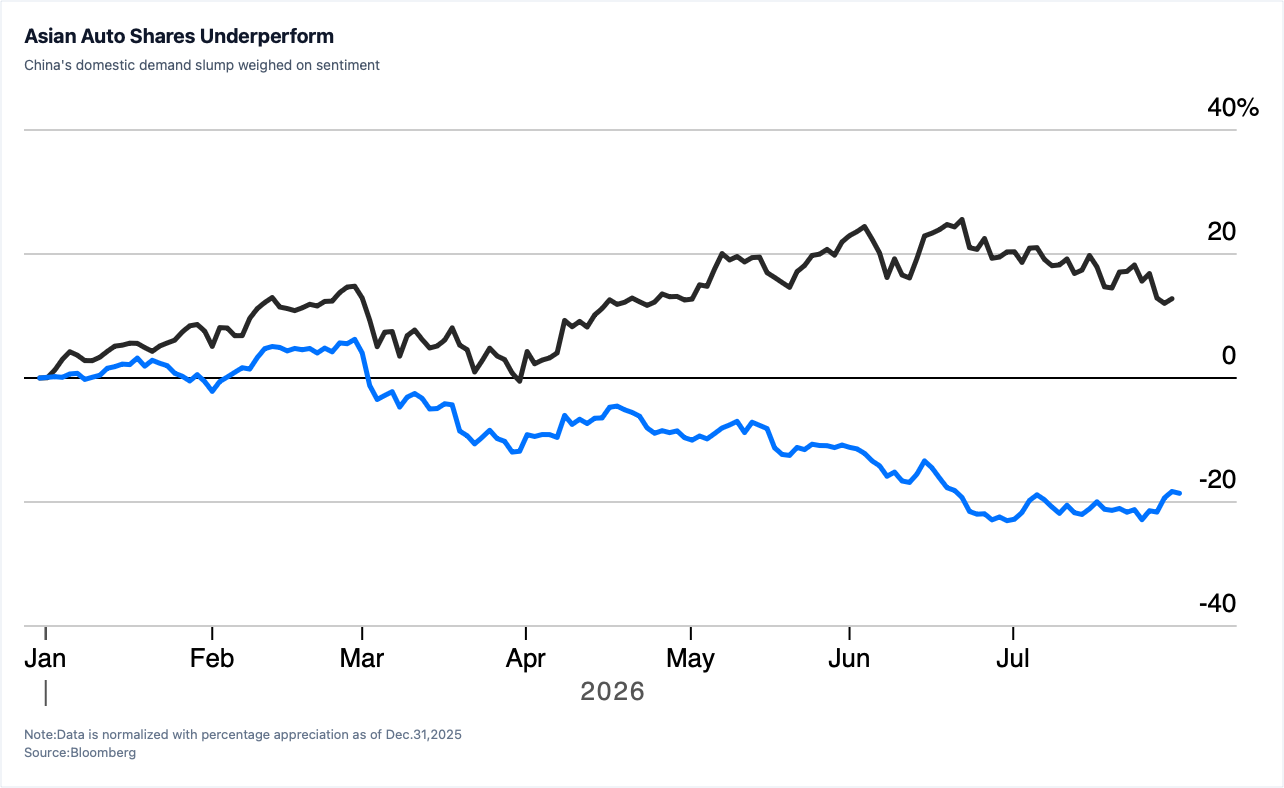
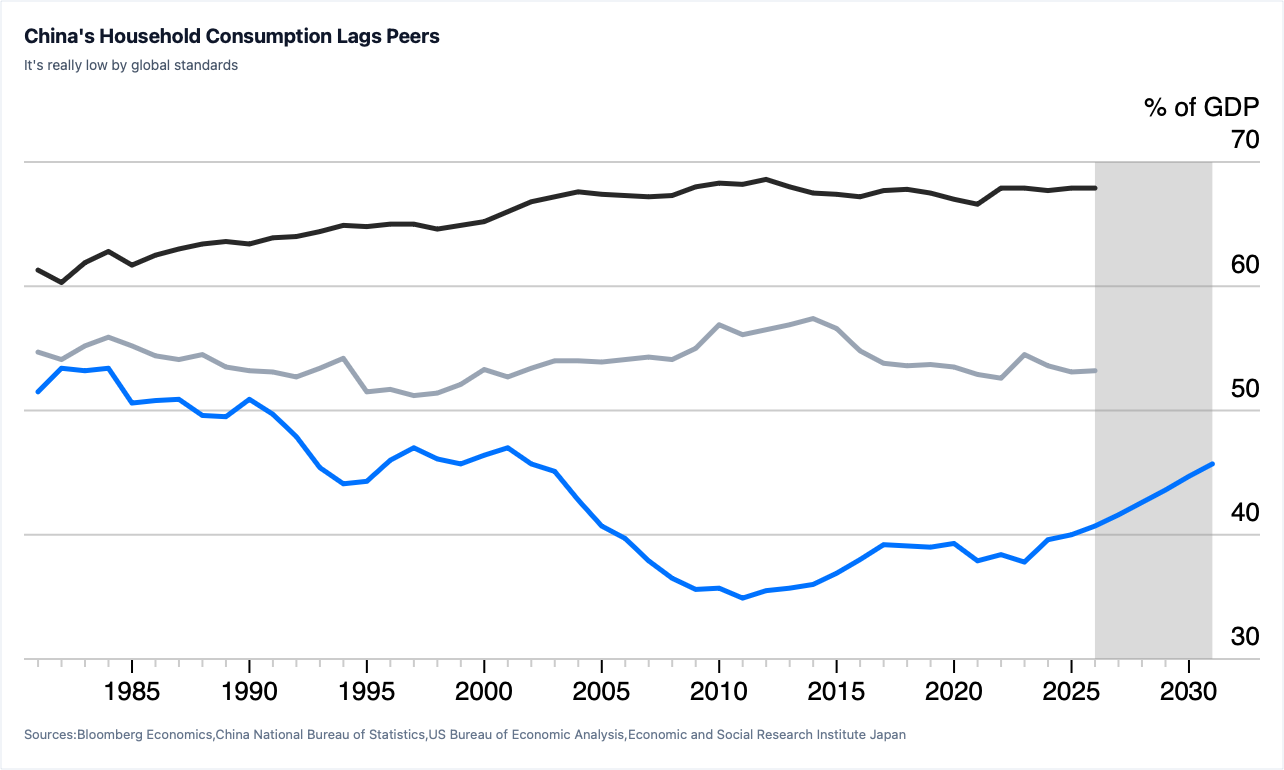
The Chinese Commerce Ministry has refused to acknowledge concerns about overcapacity, strongly defending its industrial policy and attempting to portray the surge in exports as a global opportunity. However, this narrative obscures domestic economic struggles, including weak household consumption, a collapsing property sector, and the fact that the automotive industry is experiencing falling profits despite record overseas sales.
To prevent a complete breakdown in bilateral relations, China should consider demonstrating goodwill, such as phasing out export tax rebates for industries facing overcapacity and trade friction. While this move would not entirely eliminate the trade surplus, it would show that Beijing recognizes the severity of the problem, potentially giving the EU a reason to delay harsher trade restrictions.