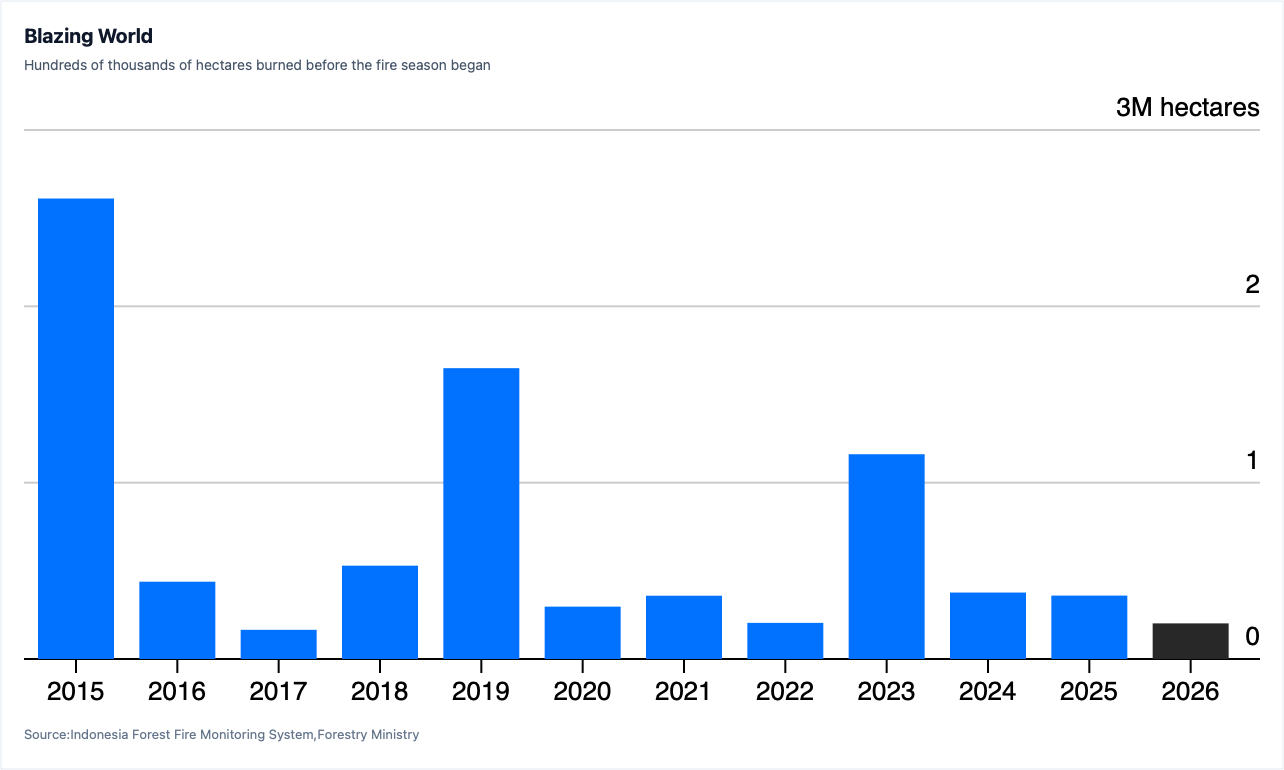
然而这项政策的代价是引发严重的环境与公害问题,棕榈油需求激增推动了大规模焚林整地,使得雾霾毒害扩散至周边邻国,且由于扩产主要仰赖毁林开垦而非提升单产,生质柴油的实际碳排甚至高于化石燃料。
相较于持续依赖具有生态破坏性的棕榈油生质燃料,印尼若借鉴中国积极推动卡车与商业车队全面电动化,并充分开发本土丰富的太阳能与水力资源,将能以更永续且健康的方式达成能源安全。
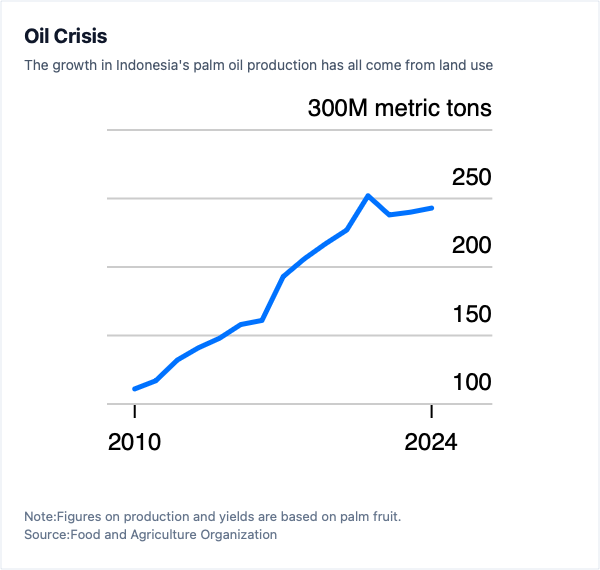
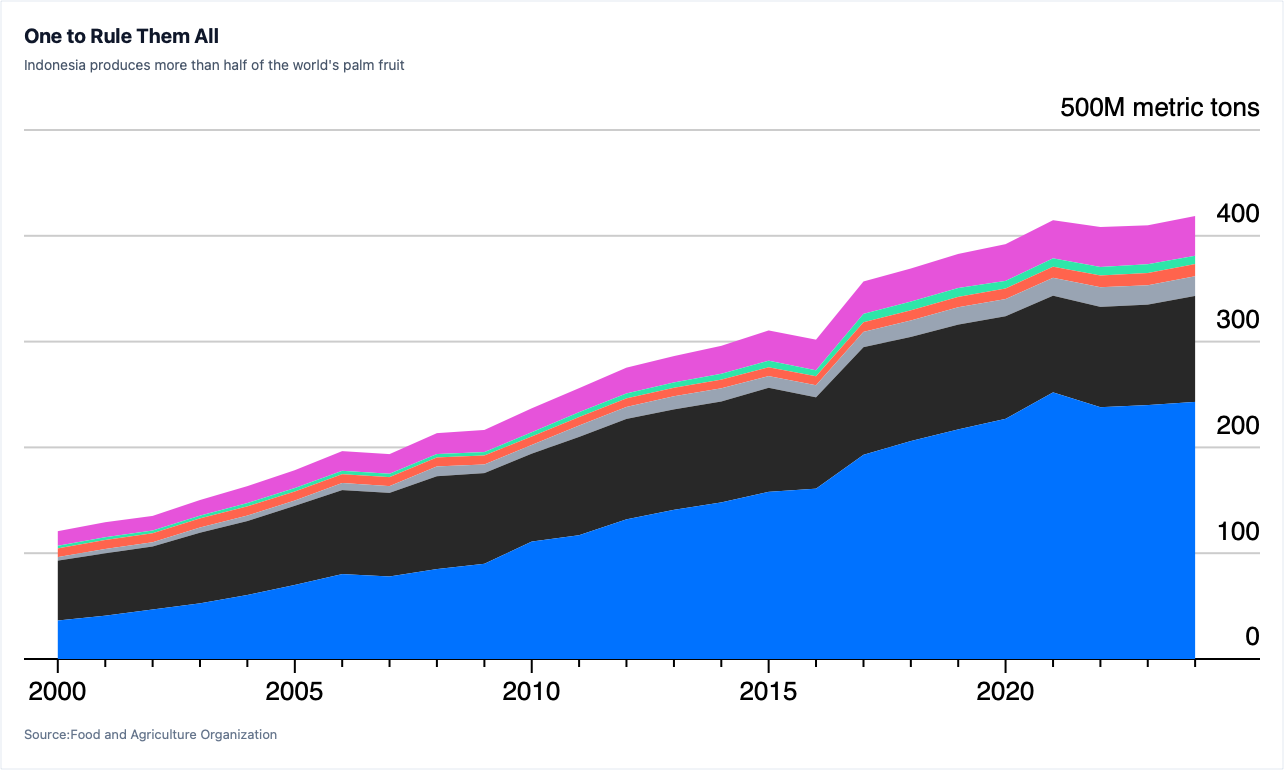
In response to the regional energy crisis and geopolitical instability, Indonesia mandated a 50% palm oil biofuel blend in diesel, successfully ending its reliance on imported fuel, saving nearly $10 billion annually, and propping up the domestic palm oil sector.
However, this initiative comes with severe environmental and public health costs, as surging demand has incentivized widespread slash-and-burn land clearing, sending choking haze across Southeast Asia, while expanding acreage over degraded forests makes its lifecycle emissions worse than fossil fuels.
Rather than relying on ecologically destructive palm oil biofuels, Indonesia should look to China's rapid electrification of commercial trucks and leverage its vast solar and hydro potential, offering a truly sustainable route to energy security without sacrificing air quality and public health.