这场债券市场的抛售潮让中国在全球失衡的争论中获得了新的反击筹码。中国人民银行行长潘功胜及央行报告指出,部分国家政府债券市场的剧烈波动正在加剧金融脆弱性,并认为美国失去贸易竞争力源于其自身的过度财政支出等结构性问题,各国应做好自己的功课。与此同时,尽管日本财务大臣片山皋月试图淡化已开发国家与新兴市场之间的紧张关系,且美国官员仍持续敦促IMF应对中国的汇率与贸易政策,但欧洲与G7盟友在缺乏美国财长坐镇的情况下,仍需努力在曼谷维持影响力。
发达国家债券殖利率的飙升已对新兴市场与全球金融机构产生连锁反应,印尼、肯亚等国以及多个非洲国家正面临借贷成本上升甚至逼近违约边缘的风险。摩根大通与德意志银行等与会银行家纷纷对高主权债务、巨额赤字与缺乏财政整顿迹象表达担忧,IMF也将殖利率飙升列为当前最大的金融稳定风险。对此,格奥尔基耶娃呼吁中国多消费、美国多储蓄、欧洲多投资以解决失衡,而法国财政部长莱斯库尔则表示,债券市场的「义警」正迫使各国正视财政审慎的必要性。
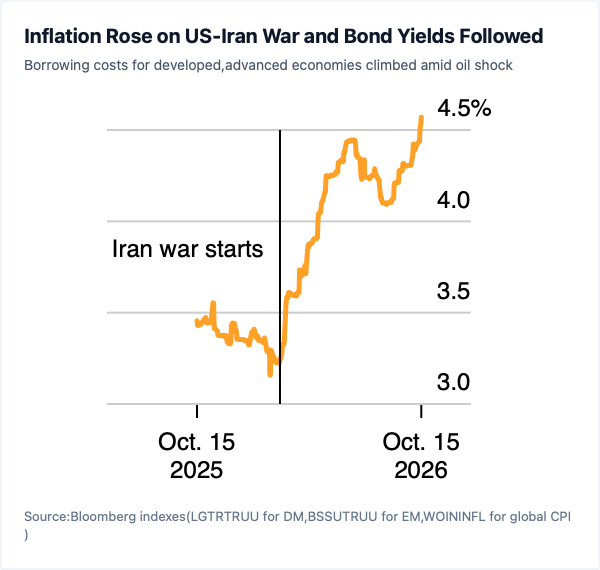
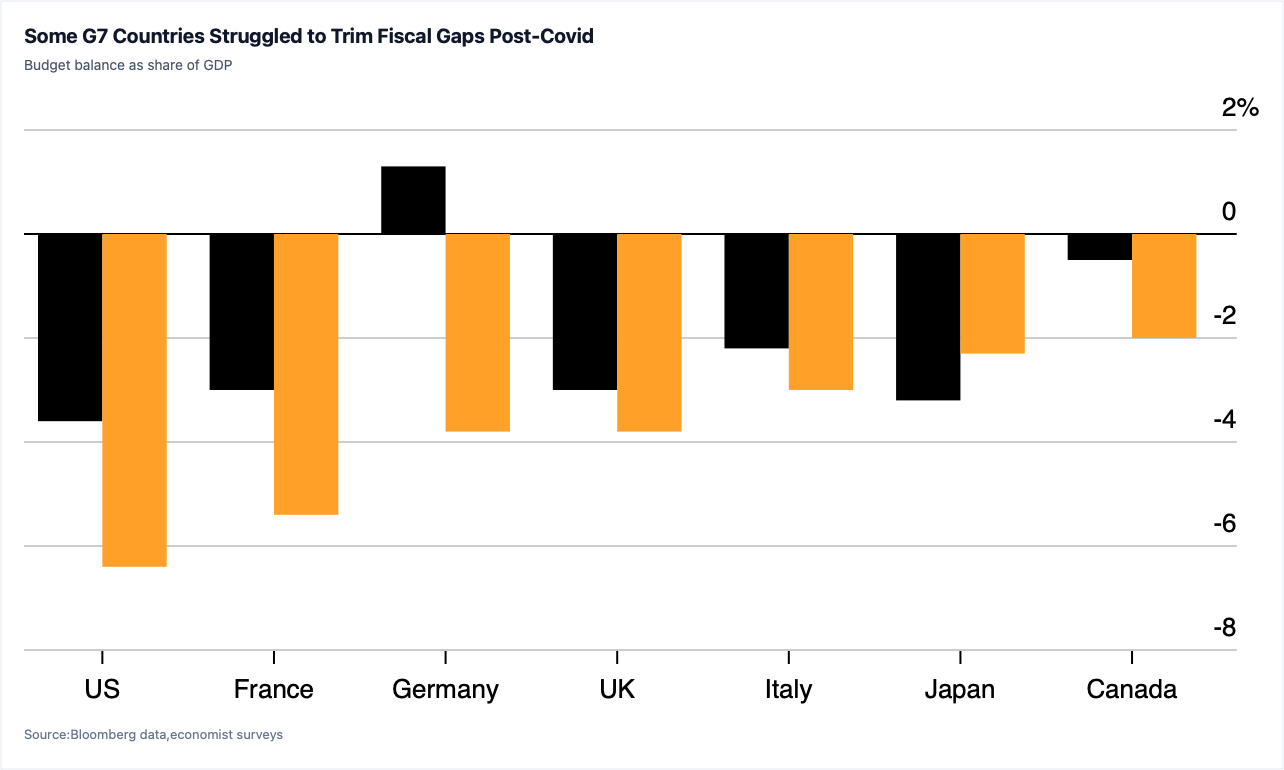
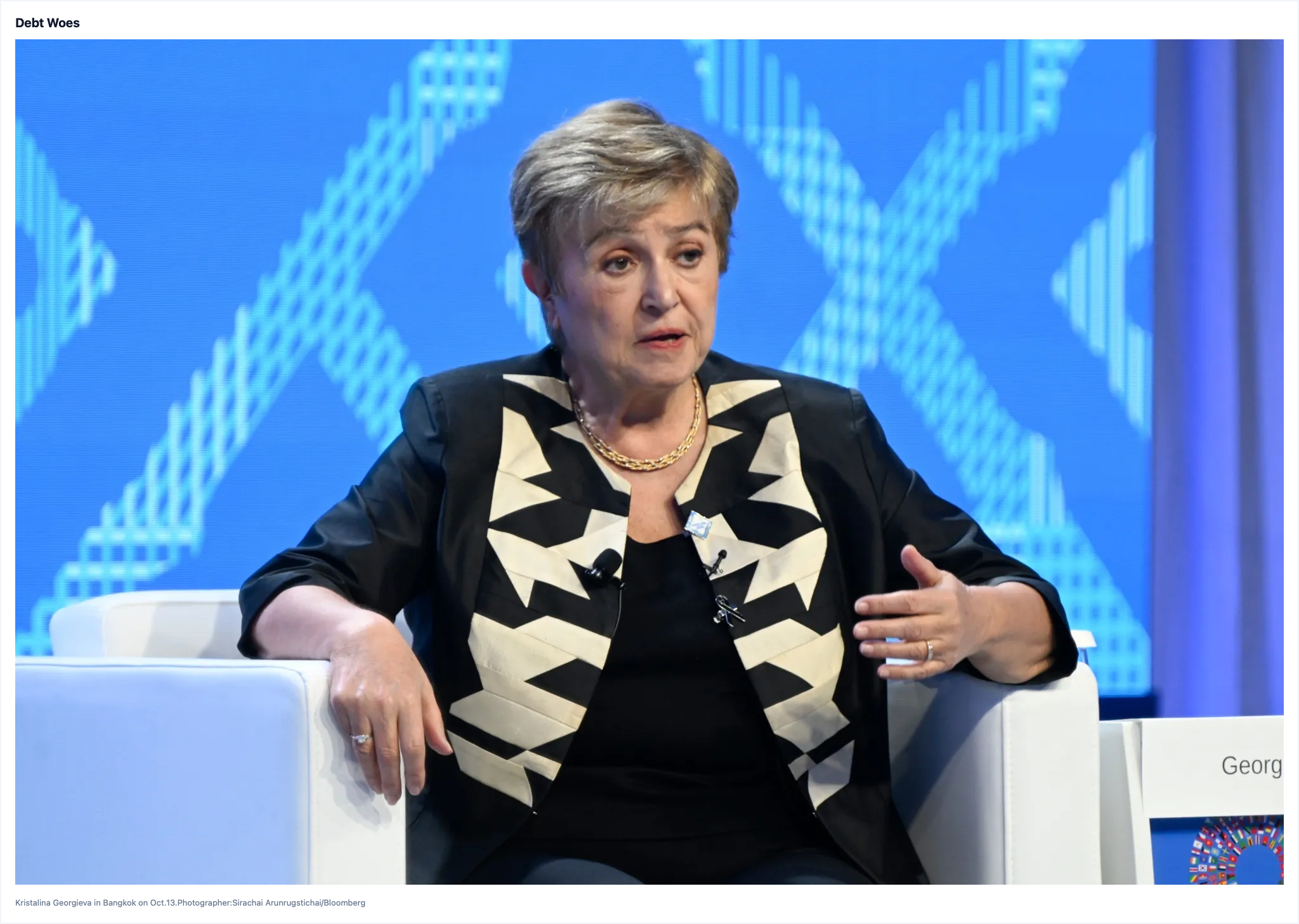
At the International Monetary Fund and World Bank meetings in Bangkok, steep borrowing costs and surging bond yields were top of mind for government and business leaders. Although the US and its allies had previously blamed China's massive export surplus for global economic fault lines at the Asheville summit, the absence of US Treasury Secretary Scott Bessent in Bangkok shifted the spotlight toward multi-decade high borrowing costs in advanced economies like the US, France, and Japan, alongside the inflation and oil shocks driven by US President Donald Trump's war on Iran. IMF Chief Kristalina Georgieva argued that large budget deficits and debts are fanning the flames of inflation and high interest rates, urging advanced economies, whom she called the "worst offenders," to fix their finances.
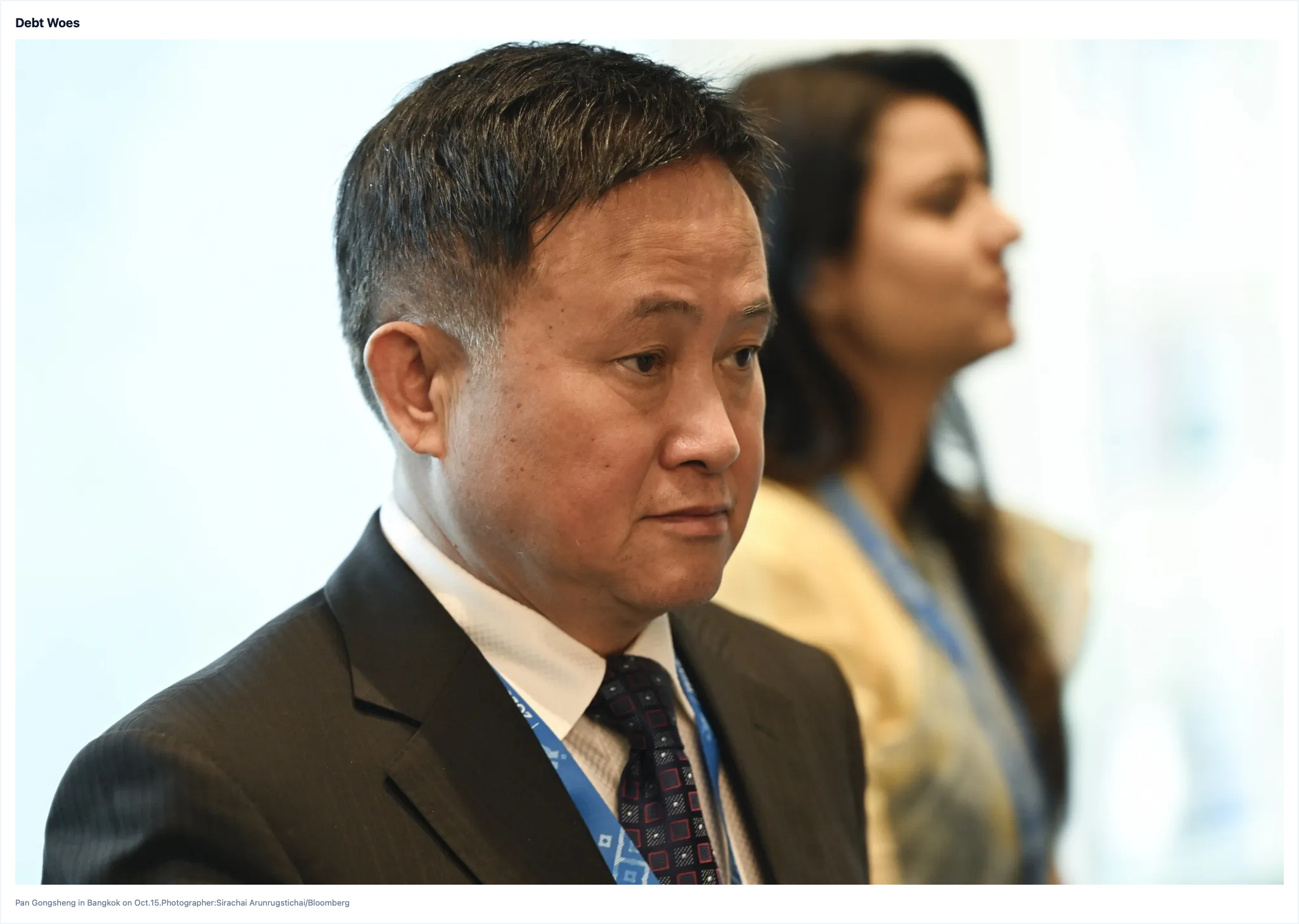
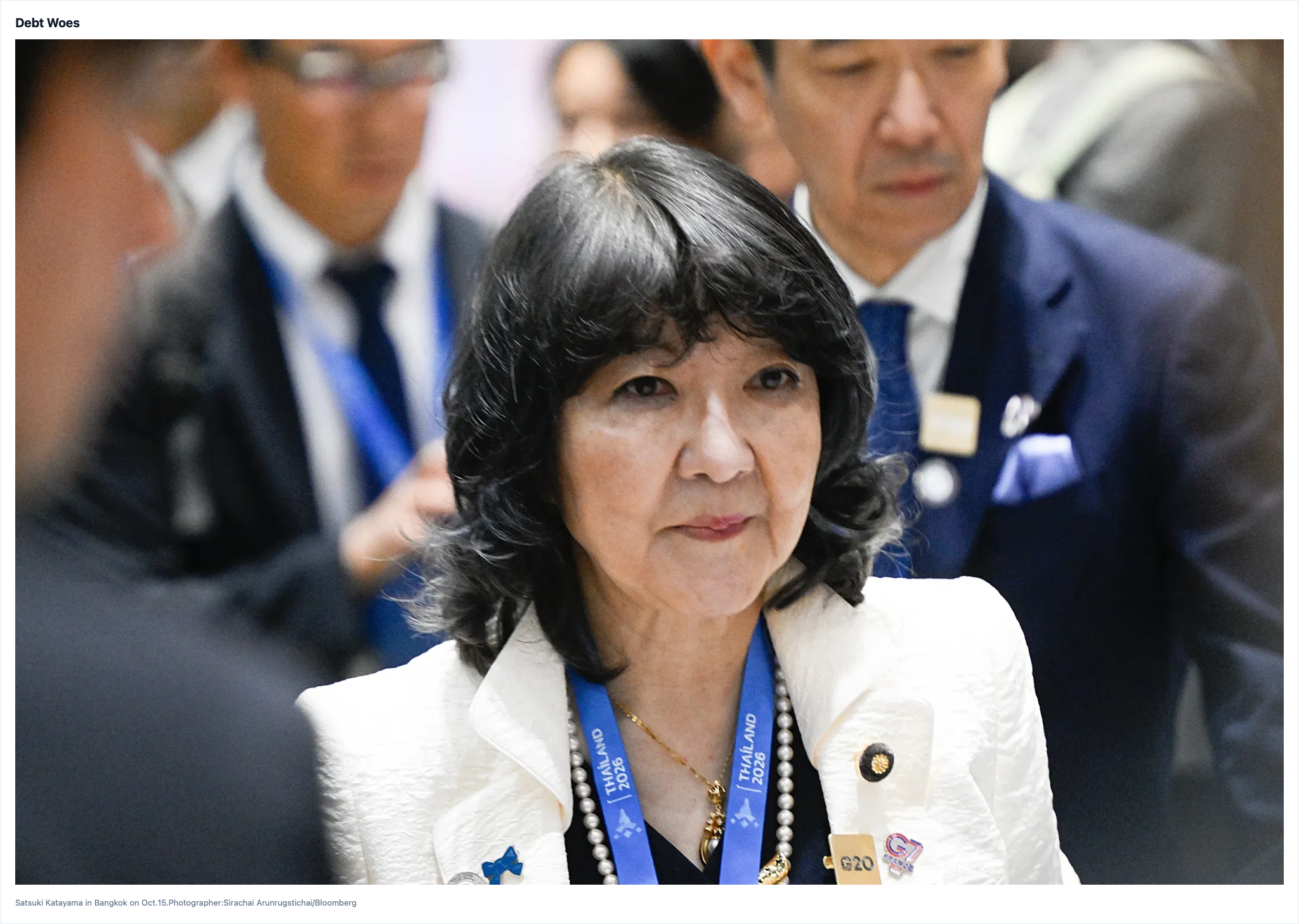
The bond market rout has given China new traction in the long-running debate over global imbalances. People's Bank of China Governor Pan Gongsheng and a PBOC report stated that sharp swings in some government bond markets are adding to financial fragility, arguing that the US lost trade competitiveness due to its own structural failings, including excessive fiscal spending, and that each country should do its own homework. Meanwhile, although Japanese Finance Minister Satsuki Katayama sought to play down tensions between developed and emerging economies and US officials continued to press the IMF on China's exchange rate and trade policies, European and G7 allies had to work harder to make their presence felt in Bangkok in Bessent's absence.
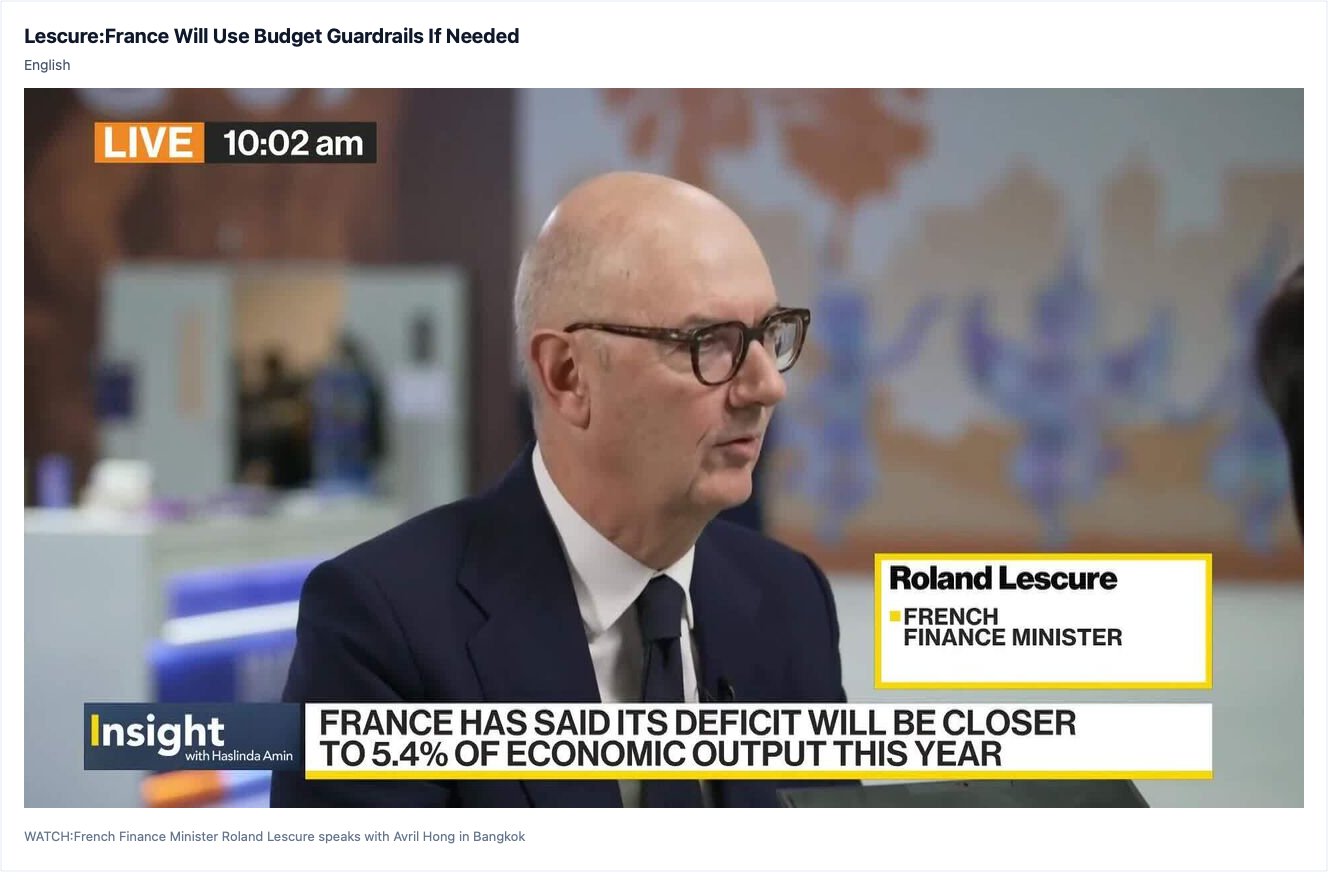
The surge in developed nations' bond yields has created spillover risks for emerging markets and global financial institutions, leaving countries like Indonesia, Kenya, and several other African nations facing higher borrowing costs or teetering on the brink of default. Bankers in Bangkok from institutions like JPMorgan Chase and Deutsche Bank voiced concern over the combination of high sovereign indebtedness, large deficits, and a lack of fiscal consolidation, while the IMF identified the yield surge as the biggest risk to financial stability. In response, Georgieva called on China to spend more, the US to save more, and Europe to invest more, while French Finance Minister Roland Lescure noted that bond market "vigilantes" are effectively forcing nations to recognize the need for fiscal prudence.