尽管布伦特原油价格目前维持在每桶90美元左右,低于7月23日102美元的高位,但全球石油市场正面临极高的脆弱性。在美伊冲突持续五个月后,霍尔木兹海峡的航行受阻问题愈发严峻。由于战争风险保险费率从战前的0.25%飙升至船舶价值的12%,7月28日通过该海峡的船只数量从6月下旬的60艘骤降至仅9艘,石油日流量缩减九成至80万桶。阿联酋国家石油公司在7月中旬招标的800万桶原油中标量远低于6月份的2000万桶,中东产油国已开始再次削减产量,使供应恢复时间可能拖延至2027年初。
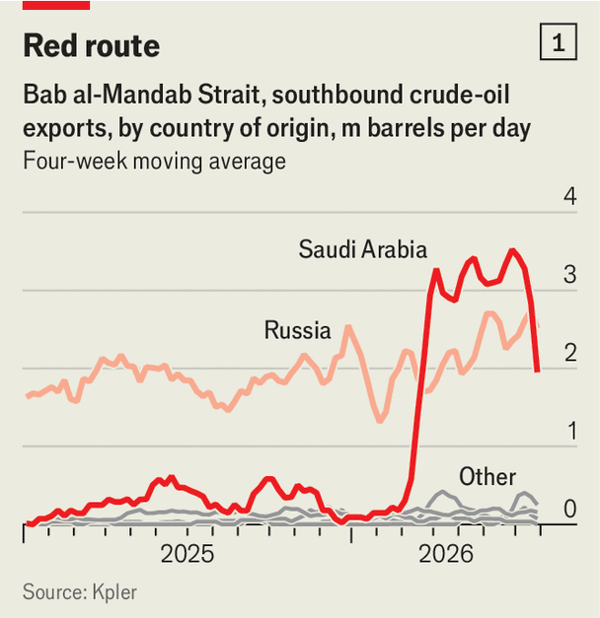
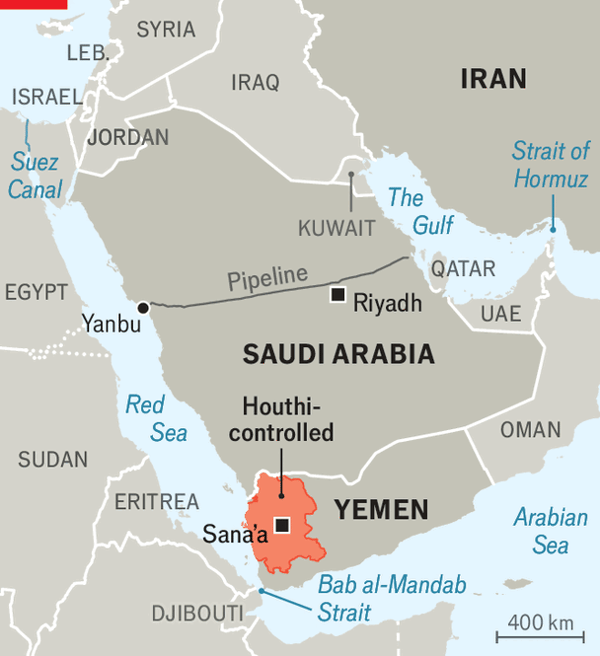
除了霍尔木兹海峡的瓶颈之外,新的地缘政治威胁进一步加剧了供应危机。也门胡塞武装于7月20日宣布对沙特出口实施封锁,袭击了红海地区的沙特石油设施和输油船只。沙特原本为了绕过霍尔木兹海峡,将其红海延布港的日出口量从70万桶提升至250万至350万桶,但7月初以来通过曼德海峡的沙特出口日流量已下降四分之三至不足100万桶。此外,乌克兰在7月中旬对黑海里海管道终端的打击导致每天约180万桶的哈萨克和俄罗斯出口中断了一周,俄罗斯日处理量65万桶的斯海斯哈里斯终端也一度暂停装载。
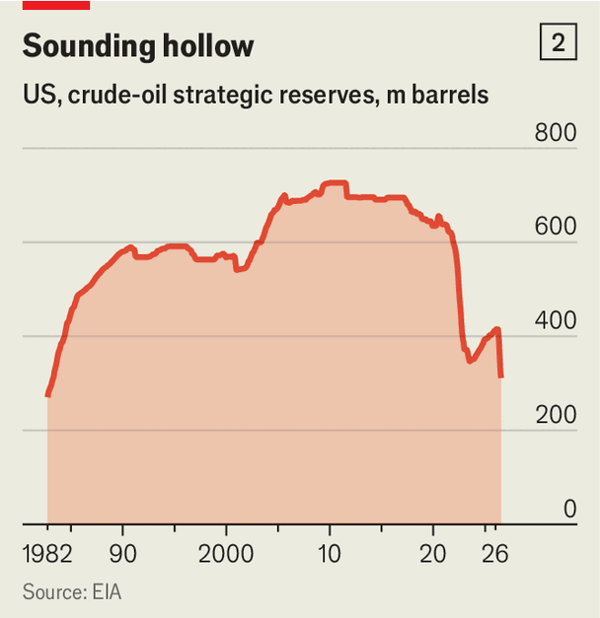
市场现有的保护性缓冲手段已基本耗尽,无法继续吸收冲击。中国自2月以来的原油日进口量下降了500多万桶,美国战略石油储备自3月以来已释放1.08亿桶,降至1983年以来的最低水平,商业库存也接近实际极限。精炼油品市场面临更严峻的紧缺,美国汽油和亚洲航空煤油价格升至每桶150美元,欧洲柴油更突破每桶170美元。如果供应中断持续,预计额外每延长一个月将推动每桶油价上涨7至10美元,使夏末原油价格稳定在每桶110美元以上,并将美国汽油价格推高至每加仑4.50美元左右。
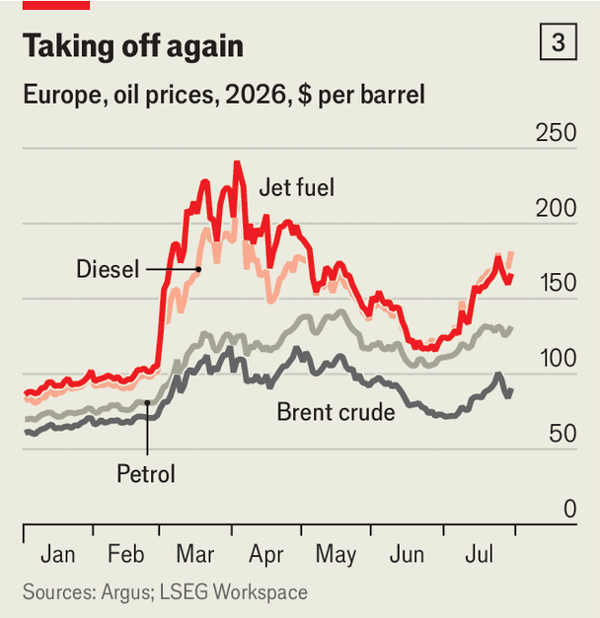
Despite Brent crude hovering around $90 a barrel, well below its July 23rd peak of $102, global oil markets face severe fragility due to escalating geopolitical disruptions. Over five months of conflict between America and Iran have exacerbated the blockage at the Strait of Hormuz. With war-risk insurance premiums surging from 0.25% before the war to up to 12% of vessel value, daily ship crossings through the strait collapsed from 60 in late June to just nine on July 28th. Consequently, oil flows through Hormuz have shrunk by 90% to 800,000 barrels per day (b/d). Tender awards by the Emirati national oil firm dropped from 20m barrels in June to 8m in mid-July, prompting Gulf producers to cut output again and delaying any supply normalization until early 2027.
Compounding the Hormuz bottleneck, new operational threats have emerged in key transit corridors. Following a blockade declared by Yemen’s Houthi rebels on July 20th in retaliation for Saudi actions, Houthi strikes targeted Saudi oil facilities and Red Sea tankers. Saudi Arabia had previously elevated crude shipments through its Red Sea port of Yanbu from 700,000 b/d to between 2.5m and 3.5m b/d to bypass Hormuz. However, Saudi exports passing through the Bab al-Mandab strait have tumbled by three-quarters since early July to under 1m b/d. Simultaneously, Ukrainian strikes on the Caspian Pipeline Consortium terminal in the Black Sea temporarily knocked out 1.8m b/d of Kazakh and Russian exports for a week, alongside brief disruptions to Russia’s 650,000 b/d Sheskharis terminal.
Market buffers are currently near exhaustion and unable to absorb further shocks. China's crude imports have dropped by over 5m b/d since February, while America’s Strategic Petroleum Reserve has drawn down 108m barrels since March, reaching its lowest level since 1983 alongside near-minimum commercial inventories. Refined product markets reflect severe tightness, with petrol reaching $150 a barrel in America, jet fuel hitting $150 in Asia, and diesel surpassing $170 in Europe. Analysts warn that every additional month of disruption could append $7-10 per barrel to crude prices, potentially sustaining prices above $110 a barrel by summer's end and driving American petrol prices toward $4.50 per gallon.
Source: Oil prices remain highly flammable
Subtitle: As tensions flare in the Gulf, triple digits could return in a flash
Dateline: 7月 30, 2026 05:36 上午