自10月就任日本首相以来,高市早苗提出了旨在加强国家经济主权与应对地缘政治冲突的“高市经济学”(Sanaenomics)。其公布的新增长战略呼吁到2040年实施120万亿日元(约合7330亿美元,相当于去年GDP的18%)的新公共投资,以催化250万亿日元的私人资本,涵盖从芯片到船舶等17个领域的62种产品。与旨在消除通缩的“阿贝经济学”不同,高市经济学仅保留了财政刺激这“一支箭”。然而,日本央行估计目前经济存在0.5%的正产出缺口,通胀率自2022年以来大部分时间维持在2%以上,此时推出大规模财政支出引发了市场对于经济过热的担忧。
高市早苗认为日本长期面临投资不足问题,其实际公共投资仍比2019年的水平低约8%。为通过公共投资激活经济,高市经济学倡导者主张将产出缺口提升至2%。在财政规划上,新年度经济蓝图以降低债务占GDP比重取代了原有的基础财政收支平衡目标,并允许发行的“过渡债券”豁免于债务统计。得益于通胀,日本约130%的净债务占GDP比重自疫情以来持续下降;高盛估算,只要目前超过3%的名义经济增长率高于低于1%的政府债务有效利率,债务比率就能保持下行趋势。
然而,高市经济学正面临债券市场与货币政策的严苛制约。今年10年期日本国债收益率已从1月的2.0%大幅升至2.8%。高盛估计,若预算赤字扩大至GDP的2%且10年期收益率升至3.5%,债务比率在五年后将停止下降。德意志银行计算显示,利率每上升1个百分点,政府每年将增加5万亿日元(占GDP的0.7%)的利息支出。日本央行政策利率已从高市上任时的0.5%升至1.0%,若政府强行推行刺激导致通胀升温,将加剧民众负担并引发债市反弹。在缺乏结构性改革的情况下,仅凭官僚挑选17个产业胜者的做法难以实现1%实际增长与2%通胀的目标。
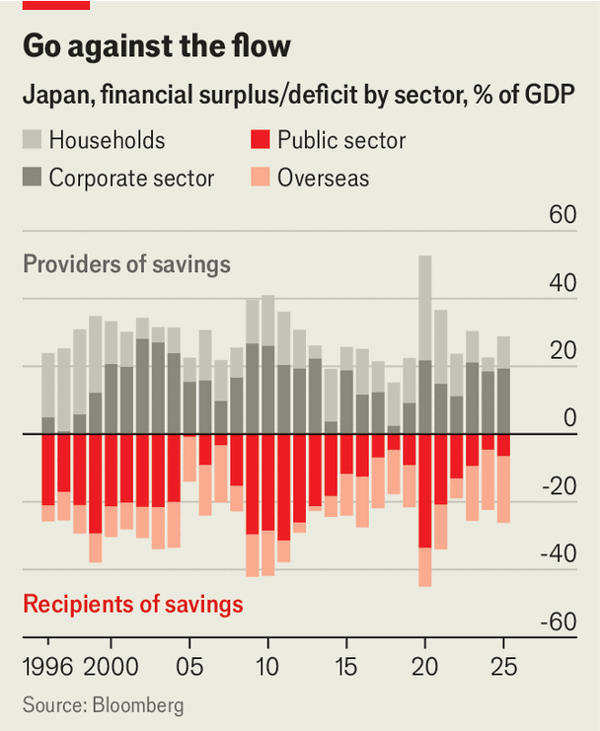
Since taking office as Japan’s prime minister, Sanae Takaichi has introduced "Sanaenomics," an economic framework designed to bolster economic sovereignty against geopolitical risks. A key growth-strategy paper calls for ¥120trn ($733bn, or 18% of last year’s GDP) in public investment by 2040 to catalyze ¥250trn in private capital across 17 sectors and 62 products. Unlike "Abenomics," which targeted chronic deflation through a three-pronged approach, Sanaenomics relies almost exclusively on aggressive fiscal expansion. However, with the Bank of Japan (BoJ) estimating a positive output gap of 0.5% and inflation mostly exceeding 2% since 2022, critics contend that large-scale fiscal stimulus is ill-timed for an economy operating without a demand shortfall.
Proponents of Sanaenomics argue that Japan has suffered from chronic underinvestment, noting that real public investment remains approximately 8% below 2019 levels. To induce corporate cash reserves back home, economic advisers advocate pushing the output gap up to 2%. Under the new fiscal blueprint, the primary budget balance target has been replaced by a focus on reducing the net debt-to-GDP ratio—currently around 130%—while exempting new "bridging bonds" from debt caps. Goldman Sachs estimates that because nominal economic growth exceeds 3% while effective interest rates on government liabilities remain below 1%, Japan’s net debt ratio could technically continue falling despite elevated borrowing.
Nevertheless, Sanaenomics encounters severe financial and institutional constraints. Japanese 10-year bond yields have climbed sharply from 2.0% in January to 2.8%, increasing government borrowing costs. Goldman Sachs projects that if the budget deficit widens to 2% of GDP and 10-year yields hit 3.5%, the declining trend in the debt-to-GDP ratio will stall within five years. Furthermore, Deutsche Bank estimates that every 1-percentage-point rate hike adds ¥5trn (0.7% of GDP) in annual interest expenses. With the BoJ raising policy rates from 0.5% to 1.0%, aggressive fiscal spending risks escalating inflation and destabilizing sovereign debt markets without delivering the targeted 1% real growth and 2% inflation.
Source: Japan pursues an ill-timed fiscal stimulus
Subtitle: Takaichi Sanae’s economic agenda bears little resemblance to her mentor’s
Dateline: 7月 30, 2026 05:36 上午