透过韦伯望远镜的中红外线仪器 (MIRI),研究人员在 IRS 3 的周围包层中明确侦测到了富含氧的矽酸盐星尘,并首次在该天体中发现了水的存在。这推翻了过去认为该恒星富含碳的推测,揭示了其真实的化学特征。这些物质在距离恒星约一万天文单位的范围内呈现层状分布,温度由内向外逐渐降低。
研究估计 IRS 3 的质量约为太阳的 6 倍,年龄约 7200 万年。这项重要发现表明,即使在星系中心如此极端、充满强烈辐射的恶劣环境下,像 IRS 3 这样的晚期恒星依然能持续产生星尘与分子物质,为未来新一代恒星与行星的诞生提供不可或缺的原料。
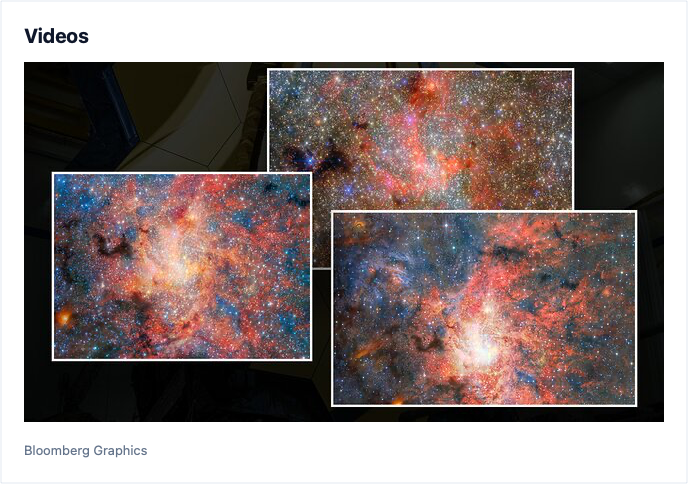
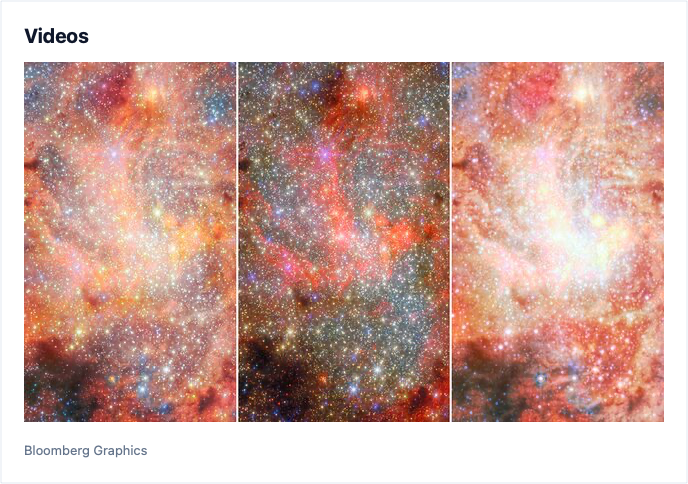
Using the James Webb Space Telescope, an international team of astronomers discovered that cosmic dust and water can form and survive just 0.55 light-years from Sagittarius A*, the supermassive black hole at the center of our Milky Way. This discovery stems from observations of IRS 3, a highly evolved star in the asymptotic giant branch phase, which is shedding massive amounts of gas and material into space through powerful stellar winds.
By utilizing Webb's Mid-Infrared Instrument (MIRI), researchers detected clear signatures of oxygen-rich silicate dust and, for the first time, water within the envelope surrounding IRS 3. This observation overturns previous suggestions that the star might be carbon-rich, revealing its true chemical identity. The dust is distributed in a layered, shell-like structure extending about 10,000 astronomical units from the star, with temperatures decreasing towards the outer regions.
Researchers estimate that IRS 3 has a mass about six times that of the Sun and is approximately 72 million years old. This significant finding demonstrates that even in the extreme, radiation-dominated environment near a supermassive black hole, evolved stars like IRS 3 can still continuously produce dust and molecular material, supplying essential ingredients for the formation of future generations of stars and planets.