在各项本土替代方案中,由新创公司新凯来分拆出的宇量升正主导研发首款国产高阶深紫外光(DUV)曝光机,并计划于今年底前生产12台,同时中芯国际亦利用其28奈米曝光设备搭配多重曝光技术尝试产出7奈米晶片。
尽管中国在投影物镜(如福建致期光电)与高功率雷射光源(如北京国望光学/科益虹源)等关键技术上取得进展,但国产设备在生产力与稳定性上要追上荷兰艾司摩尔(ASML)仍需数年验证,而美国的出口管制可能反向迫使本土晶圆厂加速与国内设备商合作。
Huawei is spearheading efforts to eliminate foreign technology from China's semiconductor supply chain by investing in lithography component makers and coordinating domestic industry players to facilitate trials in leading local fabs like SMIC.
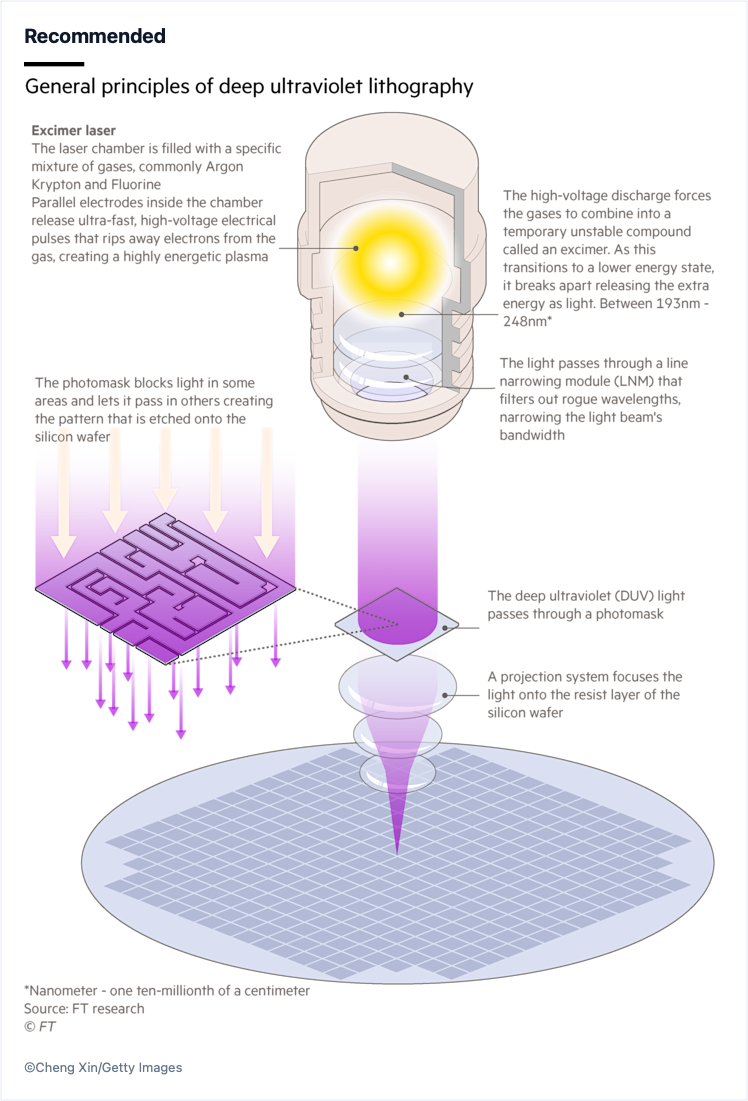
Among the key initiatives, Shanghai-based Yuliangsheng—a spin-out from Huawei-linked startup SiCarrier—has developed China's first domestic advanced deep ultraviolet (DUV) lithography machine, aiming to deliver 12 units this year while SMIC tests 28nm tools using multi-patterning for 7nm chips.
Although Chinese firms supported by Huawei funds are advancing in critical bottlenecks such as projection lenses and high-power light sources, reaching ASML's productivity and reliability will take years, even as US export curbs inadvertently force local chipmakers into closer collaboration with domestic suppliers.