高市早苗被批评将宝贵的政治资本浪费在具争议性的保守派议题上,例如推动皇室收养远亲男性以减少女性继承皇位的可能性,而非优先处理民生问题。东京大学政治学教授牧原出指出,民众日益认为她最关心的议题与日常生活脱节,对她的失望感正在上升。
高市早苗的独行侠领导风格也引发质疑。她曾在社群媒体上自称每晚只睡零到三小时,并亲自洗衣。彭博新闻分析显示,她与财务省官员的会面次数比前两任首相少了百分之五十,内阁会议次数也是十四年来最少,凸显她与官僚体系的疏离。首相官邸未回应有关其领导风格与支持率下滑的置评请求。(关键数字:50, 14, three hours)
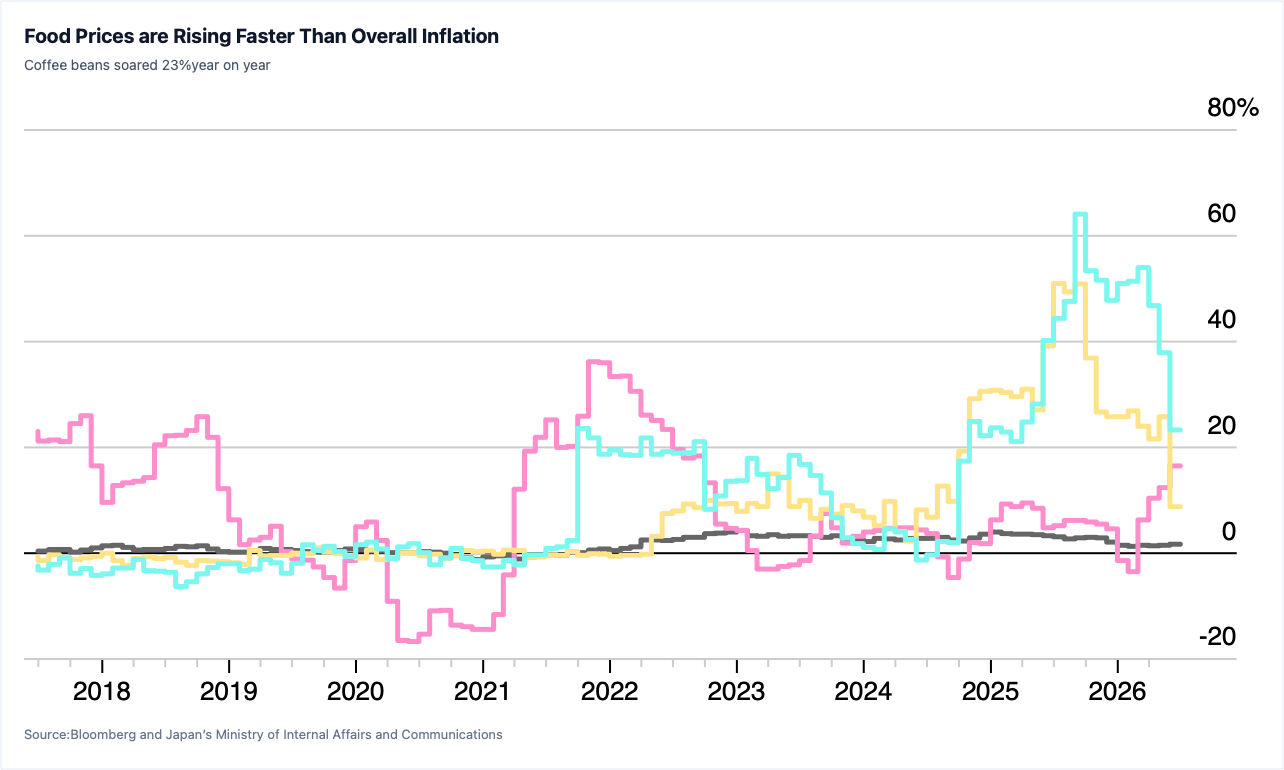
Japanese Prime Minister Sanae Takaichi, who secured the country's largest electoral mandate since World War II in February, pledged to revitalize an economy stagnant for decades. However, her approval ratings have plummeted from over 70%, the yen has fallen to roughly a 40-year low eroding national purchasing power, and the Bank of Japan's consideration of faster rate hikes is constraining her ability to increase spending and fulfill her campaign promise to cut the food sales tax.
Critics argue that Takaichi is squandering her unprecedented political capital on divisive conservative initiatives—such as enabling the imperial family to adopt distant male relatives, thereby diminishing the prospect of a female heir to the throne—rather than addressing everyday economic concerns. Tokyo University politics professor Izuru Makihara noted that public disappointment is growing as people increasingly feel that the issues she prioritizes are disconnected from their daily lives.
Takaichi's solitary leadership style has come under scrutiny. She publicly claimed on social media that she sleeps only zero to three hours a night and even does her own laundry. A Bloomberg News analysis revealed that she met finance ministry officials 50% less frequently than her two predecessors and held the fewest cabinet office meetings of any premier in the past 14 years, highlighting her isolation from the bureaucracy. The Prime Minister's Office did not respond to requests for comment on her leadership approach and declining approval ratings.