由于美国推行“经济地缘政治”,将美元和美国基础设施的使用权设定为有条件限制,全球金融体系正开始分裂为区域性和全国性的体系。这一趋势在支付领域最为明显,各国正寻求支付主权以屏蔽美国对交易的控制。当美国官员因巴西即时支付系统 Pix 涉嫌对维萨(Visa)和万事达(Mastercard)等美国卡公司不利而威胁对巴西征收 25% 的惩罚性关税时,矛盾爆发。巴西总统卢拉和右翼政客均坚决捍卫 Pix。与此同时,包括欧洲央行行长拉加德在内的欧洲领导人正督促开发 Wero 等本土支付替代方案,并计划在 2029 年前推出数字欧元,以规避对美国网络的依赖。
类似的寻求支付主权的行动正在全球范围内扩展。俄罗斯在西方制裁后转向其自建的金融信息系统(SFPS)和 Mir 银行卡网络,中国也在推广其跨境银行间支付系统(CIPS,SWIFT的竞争对手)。2026 年 3 月,CIPS 的日均交易量达到创纪录的 9200 亿元人民币(约 1340 亿美元),单日交易量创下 1.2 万亿元的历史新高。此外,中国银行已将数十个国家纳入其数字人民币跨境交易系统。印度也正在将其基于二维码的统一支付接口(UPI)推广到 9 个海外国家,通过帮助他们建立独立支付轨道或连接现有系统,来赋予其他国家在其国内日程上的金融主权。
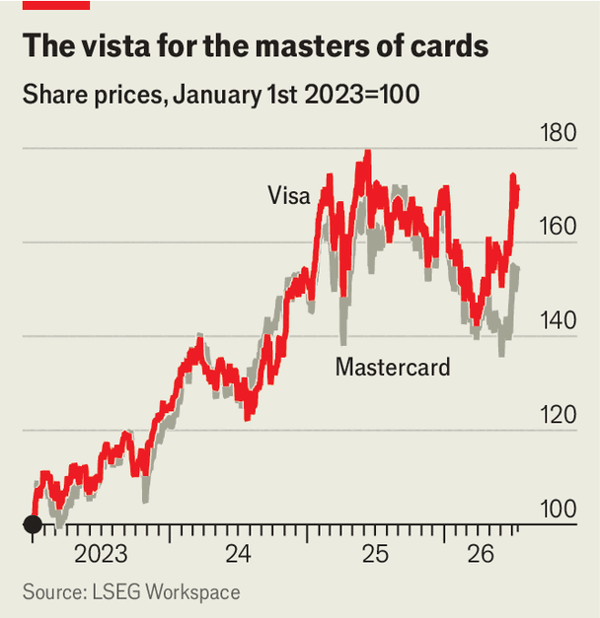
这种支付碎片化威胁到维萨和万事达这两家美国支付巨头的经营利润率(其国际业务利润率超过 50%,且高度集中在欧洲)。为保护其业务,维萨宣布对欧洲基础设施投资 5 亿欧元(5.71 亿美元),万事达则斥资 2.5 亿欧元在法国建设三个数据中心。除了对卡巨头的影响,金融稳定委员会警告称,碎片化将阻碍 G20 实现更便宜、更快速的跨境汇款目标。更严重的是,区域性网络的不兼容可能会导致金融欺诈和逃避制裁行为增加,到 2030 年可能会使全球 GDP 减少 2.6%,给全球经济和美国带来沉重代价。
The global financial system is beginning to splinter into regional and national structures as a result of US "economic statecraft," which makes access to the dollar and US infrastructure conditional. This trend is clearest in payments, where countries are seeking sovereignty to shield their transactions from American control. A flashpoint occurred when US officials threatened a 25% tariff on Brazil in response to its Pix instant-payment system, which allegedly disadvantages US card companies like Visa and Mastercard. Both Brazilian President Lula and right-wing politicians defended Pix. Meanwhile, European leaders, including ECB President Christine Lagarde, are urging the creation of domestic payment alternatives like Wero and a digital euro by 2029 to avoid reliance on US networks.
Similar sovereignty efforts are expanding globally. While Russia shifted to its own messaging system (SFPS) and Mir card network after Western sanctions, China is promoting its Cross-Border Interbank Payment System (CIPS), a SWIFT rival, which reached a record 920 billion yuan ($134 billion) in average daily flows in March 2026, with single-day volumes hitting 1.2 trillion yuan. Furthermore, Bank of China has added dozens of countries to its digital-yuan system. India is expanding its QR-code-based United Payments Interface (UPI) to nine foreign countries, offering other nations sovereignty over their domestic agendas by helping them build independent rails or linking existing systems.
This payments fragmentation threatens the high operating margins (over 50%) of Visa and Mastercard, whose international revenues are heavily concentrated in Europe. To protect their businesses, Visa announced a €500 million ($571 million) investment in European infrastructure, and Mastercard is building three French data centers for €250 million. Beyond the card giants, the Financial Stability Board warns that fragmentation will prevent the G20 from achieving cheaper remittance targets. More seriously, the incompatibility of various regional networks could increase fraud, ease sanctions evasion, and potentially shave 2.6% off global GDP by 2030, presenting high costs for both the global economy and the United States.
Source: Storm clouds gather over America’s financial supremacy
Subtitle: Its payments firms may be the first casualties
Dateline: Jul 16, 2026 06:54 AM