在中国房地产市场长期低迷、存款利率降至历史低点且二级市场整体缺乏赚钱效应的背景下,申购新股成为零售投资者获取高额回报的最可靠途径,尤其是半导体、机器人和先进制造等受国家战略政策扶持的硬科技板块,上市热潮尤为突出。
然而,市场专业人士与机构分析师对过度投机现象表达了担忧,指出许多新上市公司估值过高但规模化盈利能力不足,首日股价暴涨主要由情绪推动而非基本面支撑,后续股价常面临腰斩风险,监管机构也正收紧对相关企业的审核门槛。
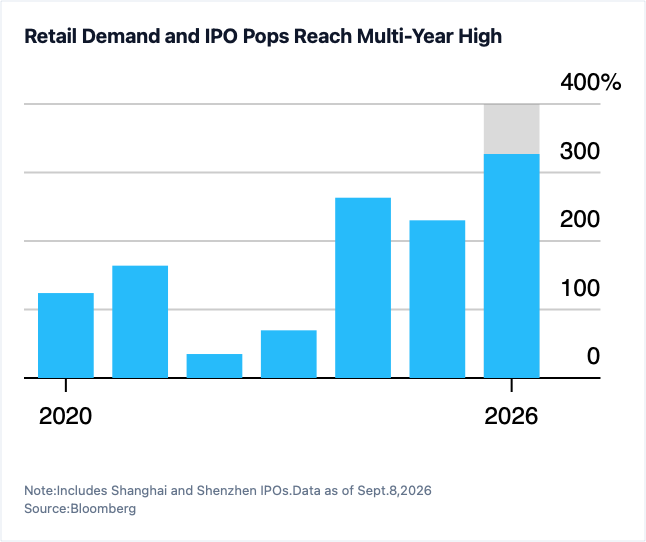
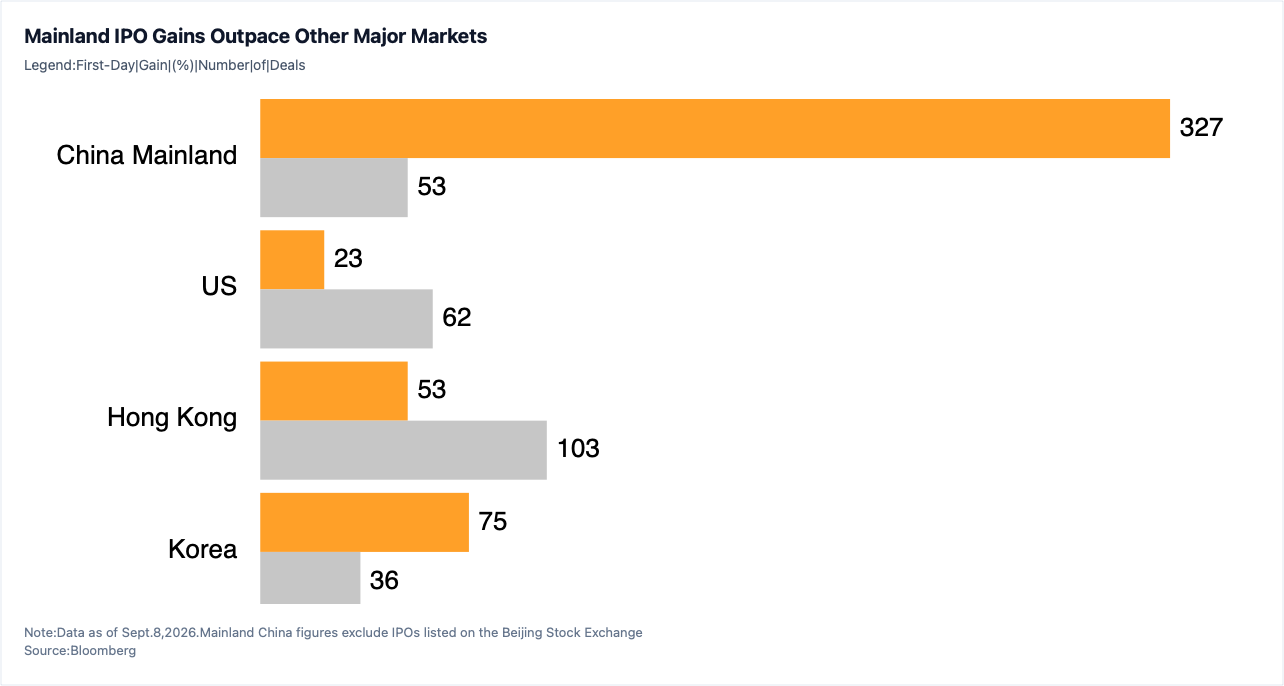
In 2026, China's IPO market witnessed a remarkable boom, producing the highest number of 'big fat tickets' in at least six years—listings where retail investors pocketed more than 100,000 yuan on their debut day allocations—with newly listed shares on the Shanghai and Shenzhen exchanges surging by an average of over 350% weighted by deal size.
Against the backdrop of a prolonged property slump, record-low bank deposit rates, and subdued broader equity market momentum, participating in IPO allocations has emerged as the most lucrative avenue for wealth creation, with the frenzy particularly concentrated in Beijing-championed strategic sectors such as semiconductors, robotics, and advanced manufacturing.
Nevertheless, fund managers and Wall Street analysts warn that these dramatic first-day surges reflect speculative excess rather than strong fundamentals, pointing out that many newly listed firms command rich valuations despite declining profitability and steep post-debut sell-offs, which has prompted regulators to heighten scrutiny over upcoming listings.