长期高强度的部署对美军舰艇维护与官兵士气造成严重冲击,关键海外补给基地如巴林海军支援设施受损,使得航舰等舰艇面临严峻的补给与维修短缺,甚至打乱了未来多年的造船厂检修排程。官兵长期出海引发心理健康危机、黑市交易与人才流失问题,特别是飞行员与维修人员短缺,将对美军未来的整体战备能力与世代传承形成长期负面效应。
此项封锁政策不仅大量消耗原本预留给潜在印太冲突(如威慑中国)的高阶弹药与爱国者、萨德等飞弹防御拦截弹,也迫使美军抽调第七舰队与第82空降师等关键战力,从而削弱了在亚洲等全球其他战略要地的威慑与应变能力。尽管封锁重创伊朗石油出口并引发国内高通膨,但伊朗政权具备较强的抗压韧性,反倒使陷入资源挪移与庞大开销的美军承受著持久战的严峻考验。
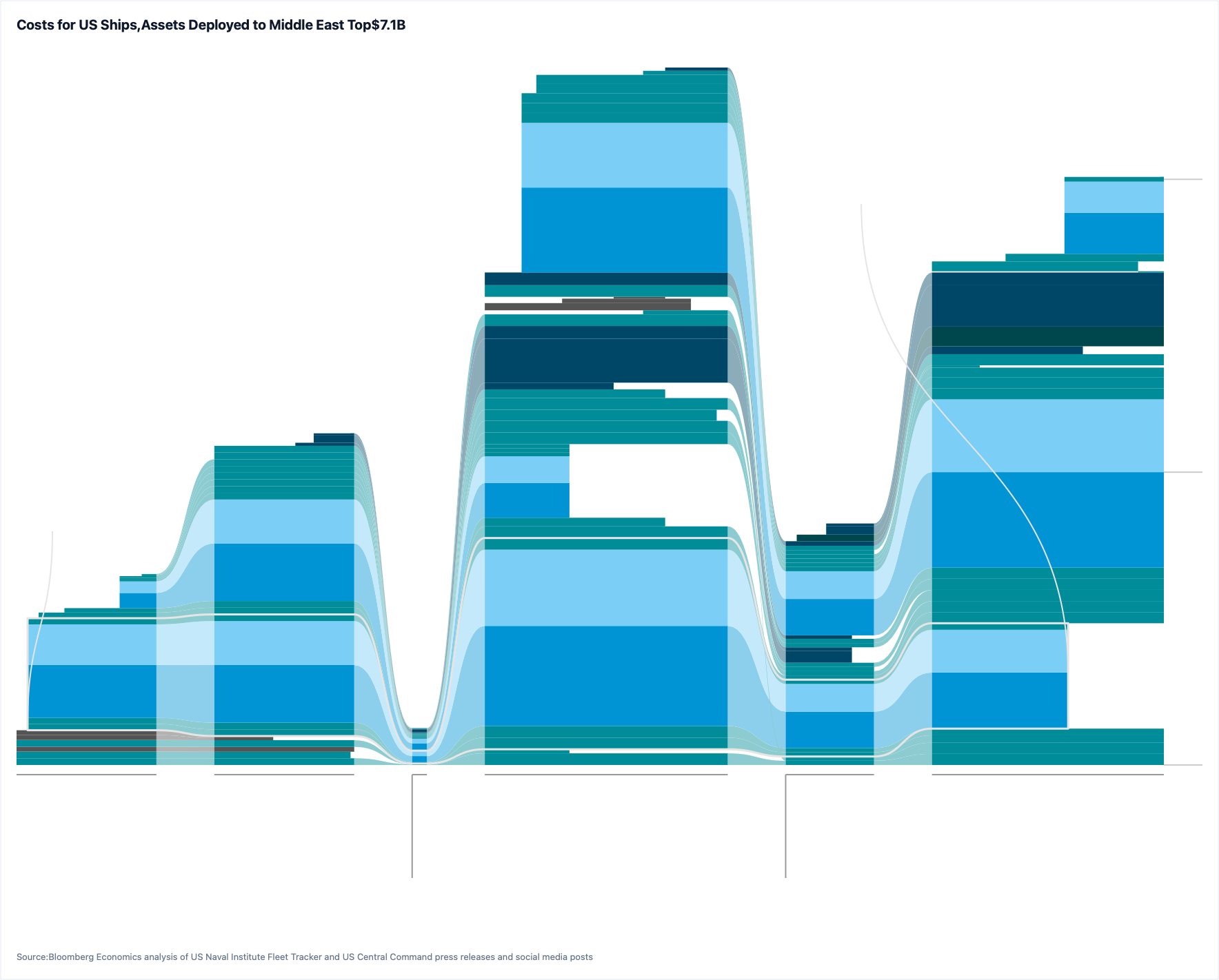
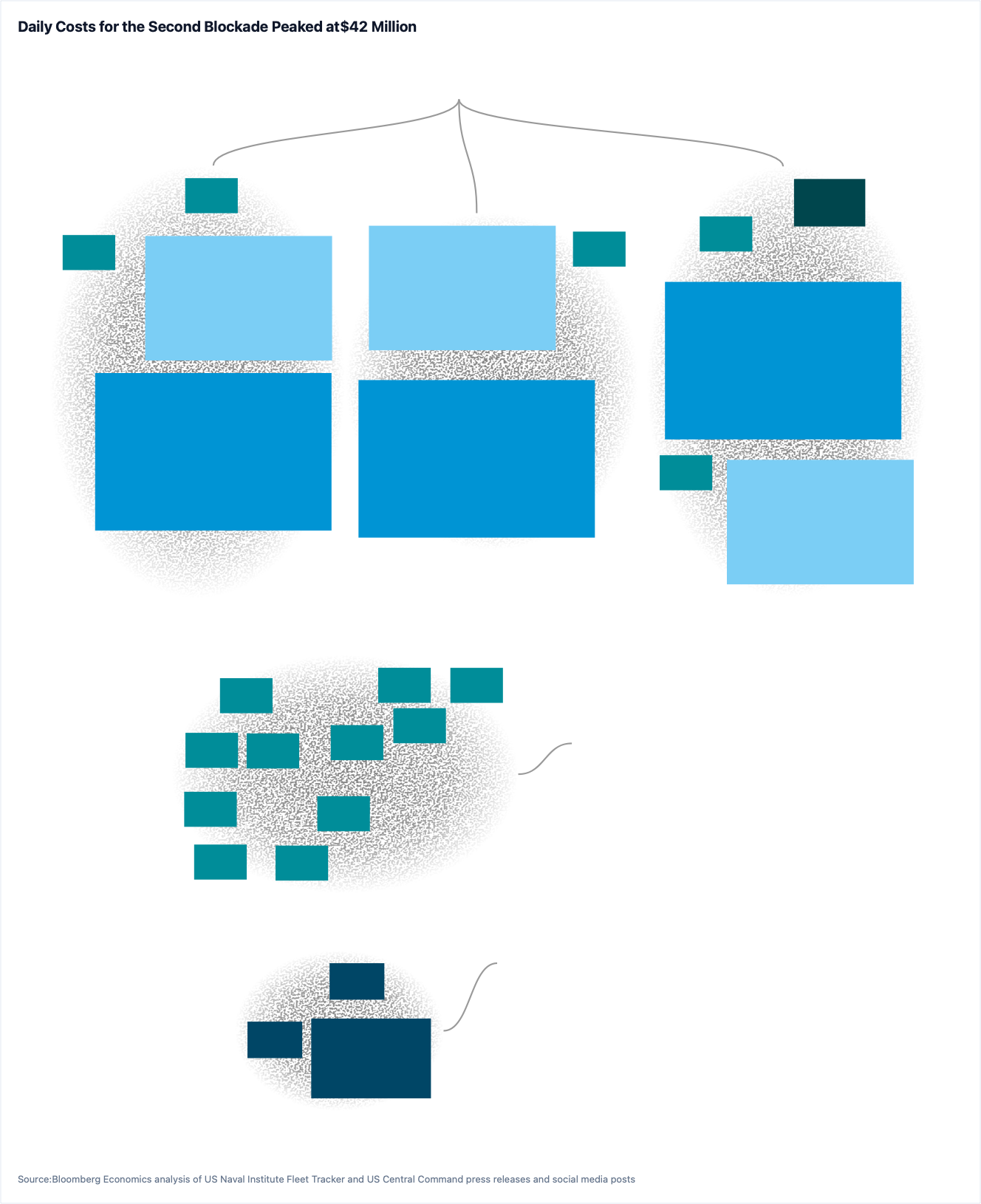
The expansive US naval blockade against Iran is severely straining American military resources, with naval operational costs surpassing $7.1 billion since the buildup began and total war expenses reaching roughly $38 billion by August according to the Congressional Budget Office. Deploying up to half of the available aircraft carrier fleet and over 30% of US warships costs approximately $32.5 million per day, placing unprecedented financial and operational pressures on the armed forces.
Extended deployments have wreaked havoc on ship maintenance schedules and military morale, especially after damage to critical hubs like Naval Support Activity Bahrain crippled regional resupply operations and forced prolonged, grueling tours at sea. The resulting degradation has triggered widespread supply shortages, severe psychological strain among personnel, disrupted long-term overhaul timelines in domestic shipyards, and accelerated the attrition of highly trained specialists like pilots and mechanics.
Crucially, the conflict is siphoning critical assets away from global deterrence priorities—most notably countering China in the Indo-Pacific—by consuming up to two-thirds of key missile interceptors and redirecting forces from the Seventh Fleet and the 82nd Airborne Division. While the blockade has choked off crude oil shipments and fueled intense inflation in Iran, Tehran remains resilient against coercion, leaving Washington facing steep strategic opportunity costs and growing fiscal trade-offs across other theaters.