这种转变已经开始改变使用者的行为模式。Google指出,其即时语音服务的使用量在过去一年内增加了一倍,且语音对话的长度平均是文字对话的五倍。OpenAI也表示每周有超过一亿五千万人使用ChatGPT的语音和听写功能。许多使用者在进行写程式等复杂任务时,发现用语音更能完整表达自己的意图、限制与期望的结果。(关键数字:150)
尽管语音技术前景看好,但仍面临背景噪音干扰以及在公共场合对著机器说话的社交尴尬等挑战。为了解决这些痛点,矽谷的新创公司纷纷投入开发更隐密且可靠的语音输入硬体设备,例如特殊麦克风和智慧戒指等。随著相关创投金额大幅成长,语音互动有望在未来克服技术障碍,成为最主流的操作介面。
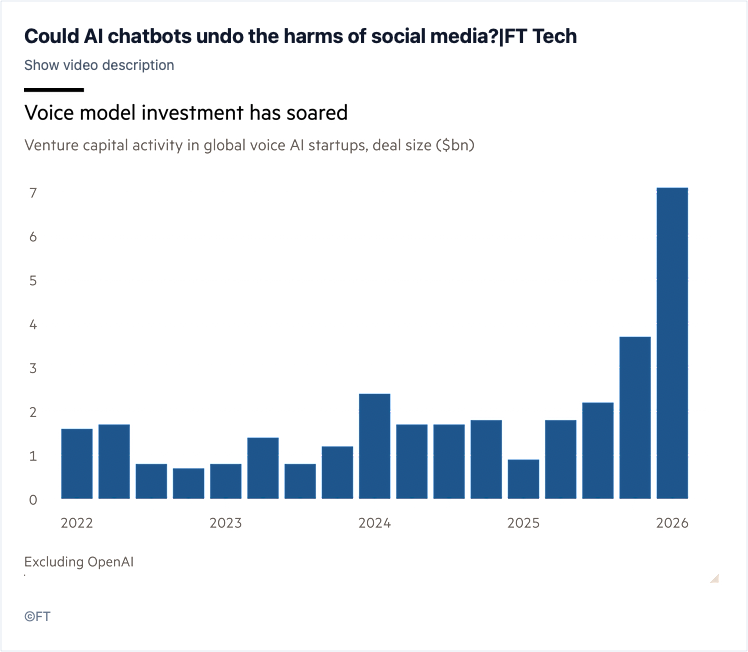
Tech companies are actively working to make AI voice assistants sound more natural, betting that voice will replace typing as the primary mode of interaction. Both OpenAI and Google have recently upgraded their voice models by processing audio in real time instead of converting it to text first. This advancement significantly reduces response latency, making the AI sound less like a robotic reader and more like an intuitive colleague.
This shift in technology is already influencing user behavior in noticeable ways. Google reported that its live voice usage has doubled over the past year, with voice conversations lasting five times longer than text-based ones. Similarly, OpenAI sees over 150 million weekly users utilizing ChatGPT's voice features. Users are finding that speaking allows them to articulate complex intentions, constraints, and desired outcomes more effectively, particularly in tasks like coding.
Despite the promising future of voice technology, it still faces hurdles such as background noise interference and the social discomfort of talking to machines in public. To address these issues, Silicon Valley start-ups are developing discreet and reliable hardware solutions, including specialized microphones and smart rings. With venture capital investment in this sector surging, voice interaction is poised to overcome these technical barriers and become the dominant paradigm.