中国在金属供应链上的主导地位,源于其过去三十年来长期的投资补贴,以及西方国家为了追求廉价劳动力和环境保护而将高污染加工业外包的结果。如今,中国将这种市场主导权转化为地缘政治筹码,透过繁琐的出口许可审查制度来控制关键金属的流向。这种做法为跨国企业带来了极大的不确定性,并严重威胁到依赖即时生产系统的全球工业。
为应对过度依赖单一供应商的风险,以美国为首的西方国家正掀起一股资源民族主义浪潮,投入数百亿美元建立本土的独立供应链。然而,专家警告,缺乏协调的各国政策可能会导致市场扭曲,甚至造成部分利基金属生产过剩与价格崩盘。建立具备韧性的供应链不仅需要政府长期的资金支持与产业政策,更需要消费国之间的跨国合作,以确保全球经济的稳定运作。
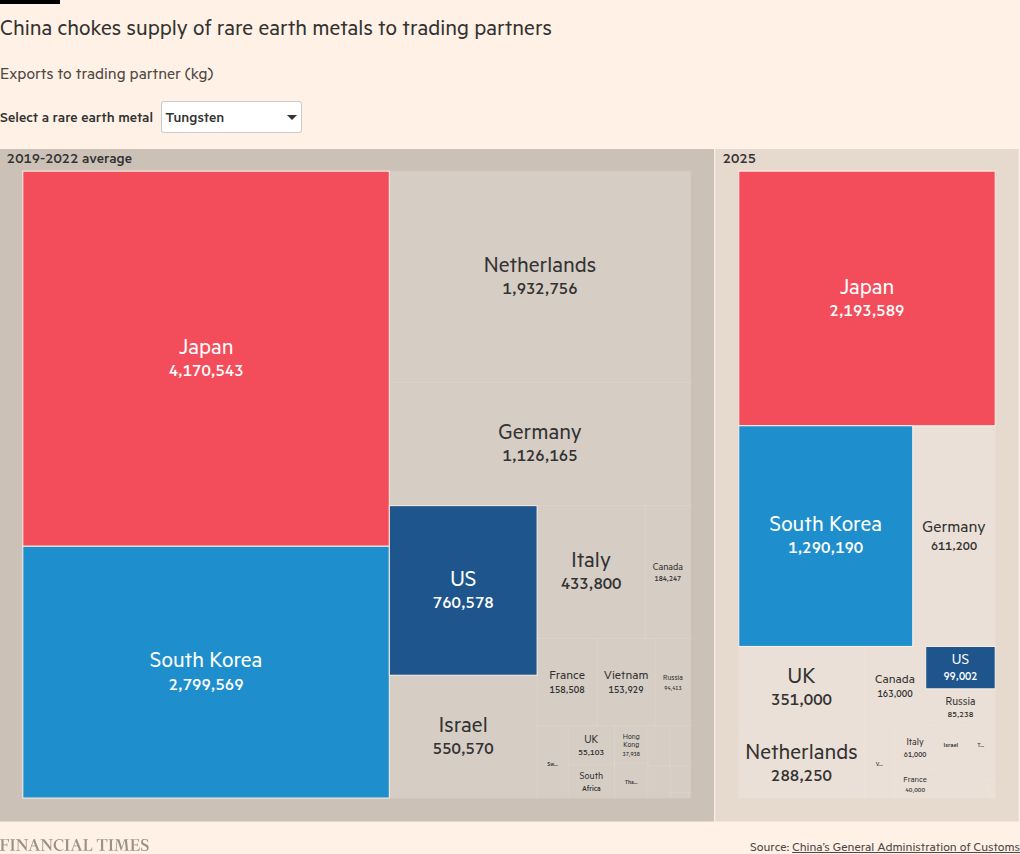
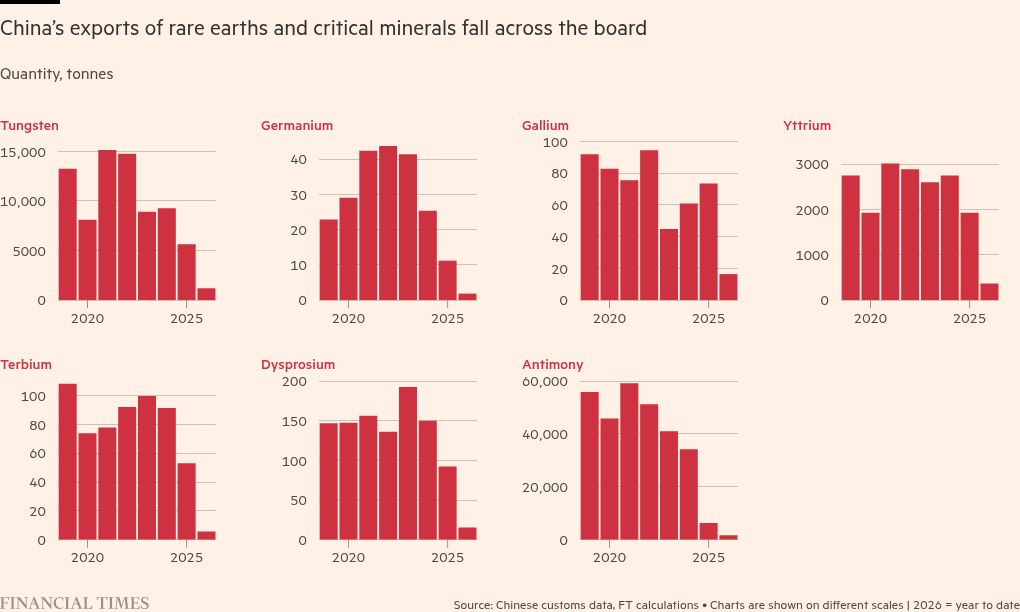
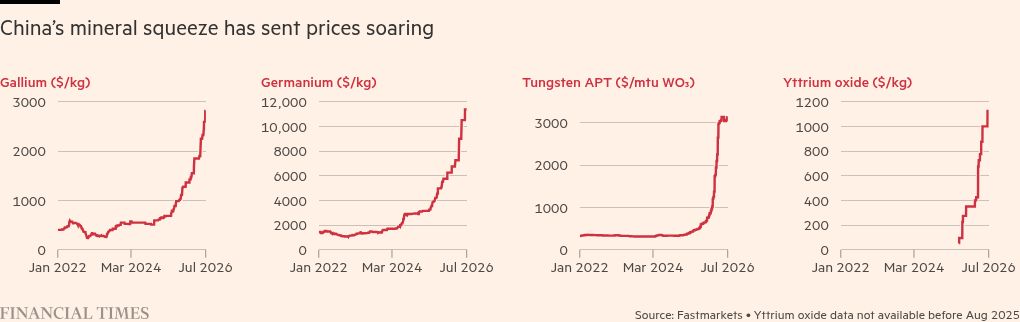
Yttrium and other rare earth metals are the critical lifeblood driving the development of artificial intelligence and modern technology, yet the global supply chain is currently facing severe challenges. China controls the vast majority of the production capacity for these critical metals and has begun implementing export restrictions on key materials like gallium and germanium amid escalating trade tensions with the United States. These restrictive measures have sparked panic among western semiconductor and defense industries that rely on these metals, with companies fearing an existential crisis of halted production if they cannot secure stable supply sources.
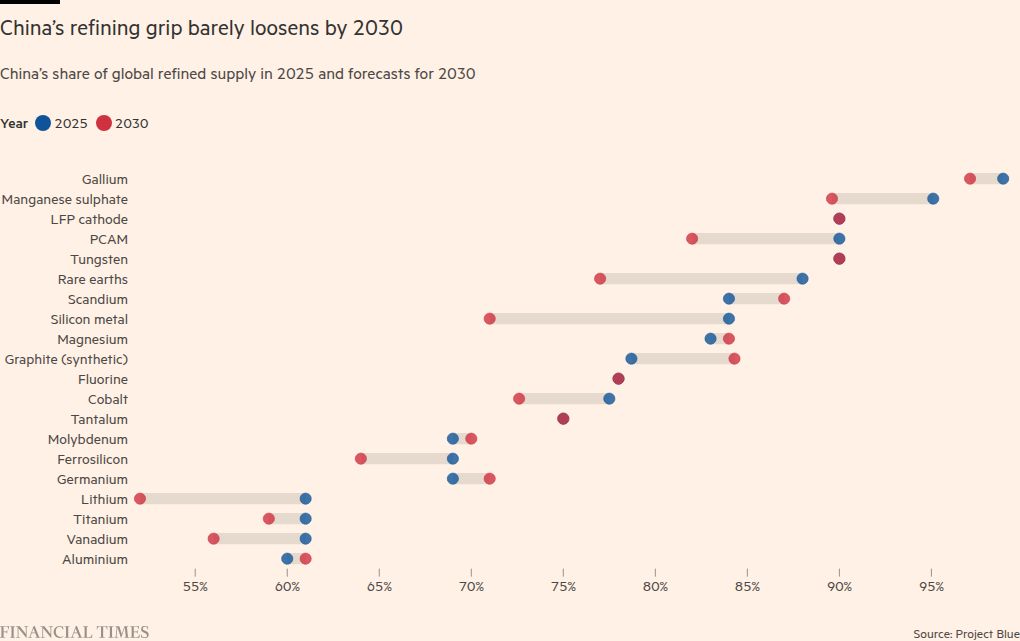
China's dominant position in the metals supply chain stems from its three decades of long-term investment and subsidies, coupled with western countries outsourcing highly polluting processing industries in pursuit of cheap labor and environmental protection. Today, China has translated this market dominance into geopolitical leverage, controlling the flow of critical metals through a cumbersome export licensing system. This approach has introduced massive uncertainty for multinational corporations and severely threatens global industries that rely on just-in-time manufacturing systems.
To counter the risks of over-reliance on a single supplier, western nations led by the United States are sparking a wave of resource nationalism, investing tens of billions of dollars to build independent domestic supply chains. However, experts warn that uncoordinated national policies could lead to market distortions and even cause oversupply and price crashes for certain niche metals. Building resilient supply chains requires not only long-term government funding and industrial policies but also multilateral cooperation among consuming nations to ensure the stable operation of the global economy.