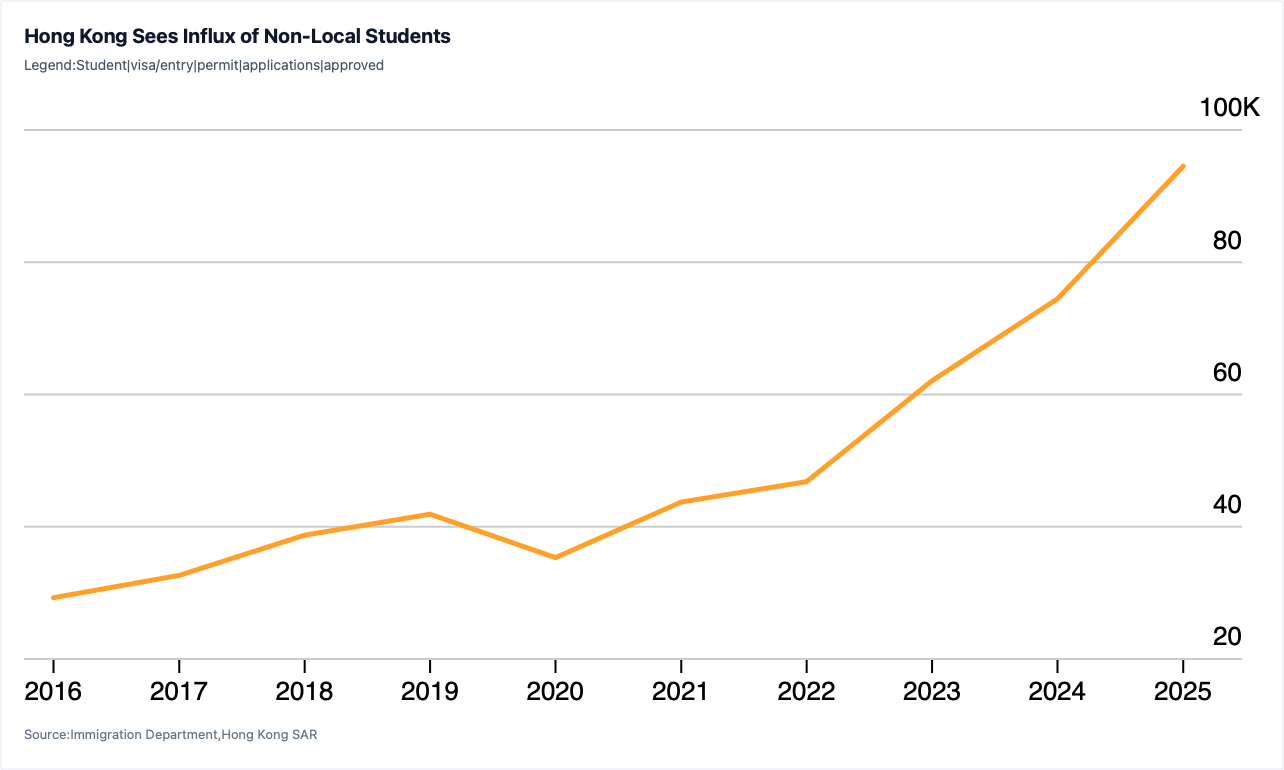
这股热潮背后的主要推动力是大量中国大陆学生涌入香港,以及香港政府对非本地大学生名额上限的放宽。随著美国签证限制收紧和地缘政治紧张局势,越来越多大陆学生选择来港就读。据预测,到2029年香港将面临约14.7万个学生床位的短缺,这为改建项目提供了强大的市场需求和稳定约5%的租金回报率,使得这类投资案更容易获得融资批准。
尽管市场对此类改建项目充满热情,甚至延伸至难度较高且过去回报不佳的办公楼改建,但部分银行家仍保持谨慎态度。由于目前市场上尚未出现实际的成功退场案例,且亚洲区整体贷款量下滑促使资金转向风险较高的项目,一些贷款方要求加入更严格的条款以保障自身权益。然而,开发商对优质地段的项目仍充满信心,并不担心未来几年可能出现的供过于求问题。
Hong Kong's commercial real estate market has discovered a new investment hotspot, with loan bankers actively financing the conversion of aging hotels and office buildings into student dormitories. Recently, Centaline Investment's proposal to borrow HK$1 billion to transform the Regal Oriental Hotel into student housing attracted fierce competition among multiple lenders. Bank of China (Hong Kong) ultimately won the deal, highlighting the banking sector's strong appetite for such projects, which are increasingly viewed as stable operational businesses rather than mere real estate plays. (Key numbers: 10)
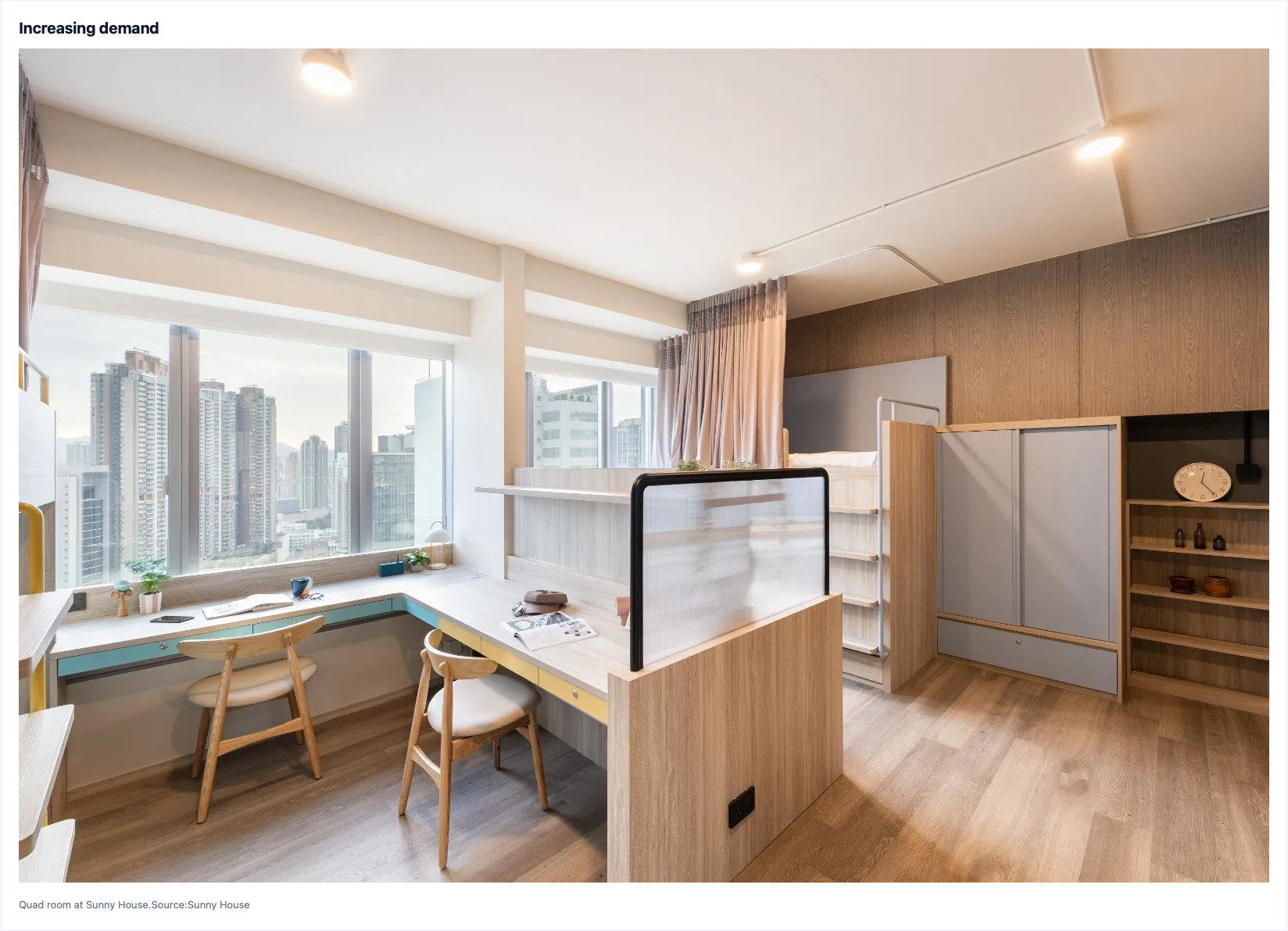
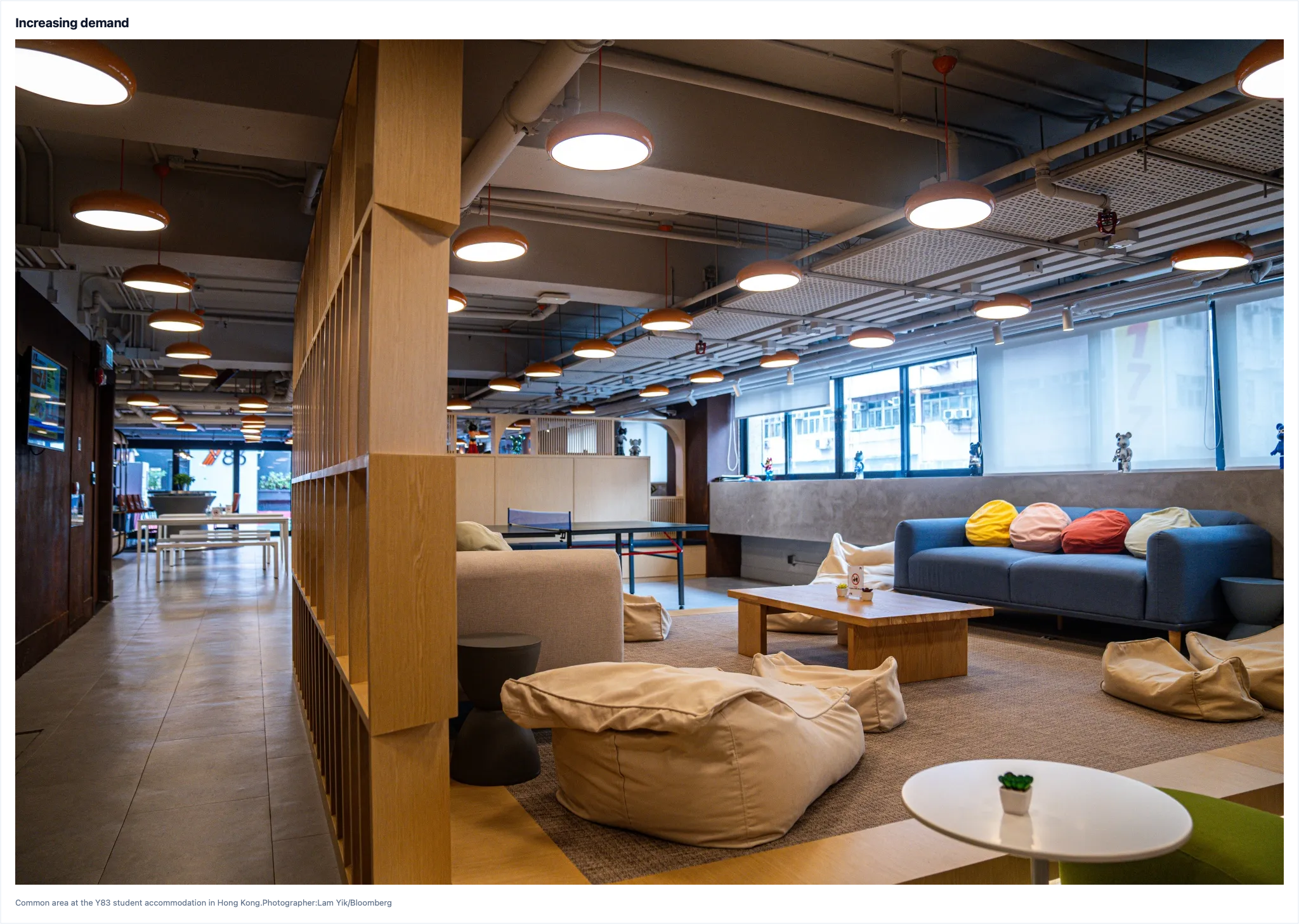
The primary drivers behind this trend are the massive influx of mainland Chinese students into Hong Kong and the government's decision to raise the cap on non-local undergraduates. Tighter US visa restrictions and geopolitical tensions have led more mainland students to enroll in Hong Kong universities. With forecasts predicting a shortage of nearly 147,000 student beds by 2029, these conversion projects offer strong market demand and steady rental yields of around 5%, making them highly attractive for financing approvals.
Despite the widespread enthusiasm extending even to riskier office-to-dorm conversions that historically yielded lower returns, some bankers remain cautious. The absence of proven exit cases in the current market, combined with a broader lending drought in Asia pushing capital toward riskier proposals, has prompted some lenders to seek stricter clauses to protect their interests. Nevertheless, developers remain confident in well-located projects and are unfazed by the potential risk of oversupply in the coming years.