餐饮业正经历着前所未有的结构性重塑。自疫情爆发以来,餐厅面临着全方位的成本暴涨压力:食材食品成本上涨了25%至30%,人工劳动力成本上升了20%至25%,而商业店铺租金则攀升了15%。这些通胀压力极大压缩了餐饮业的利润空间,使得传统的经营模式难以为继。
受冲击最严重的是中端休闲餐饮(casual dining)市场。随着通胀挤压家庭预算,外食消费变得不再随性,中端市场正迅速缩小;而在高端餐饮领域,消费者对性价比的要求也更加苛刻。以布法罗市中心著名的Osteria 166餐厅为例,疫情前其依靠肉丸意面和马丁尼酒每周可实现60000美元的营业额,但由于通勤员工减少,其周营业额骤降至15000美元。为维持生存,该餐厅不得不关闭单点餐厅,转为提供平均客单价降低25%的午餐快餐与切片披萨。
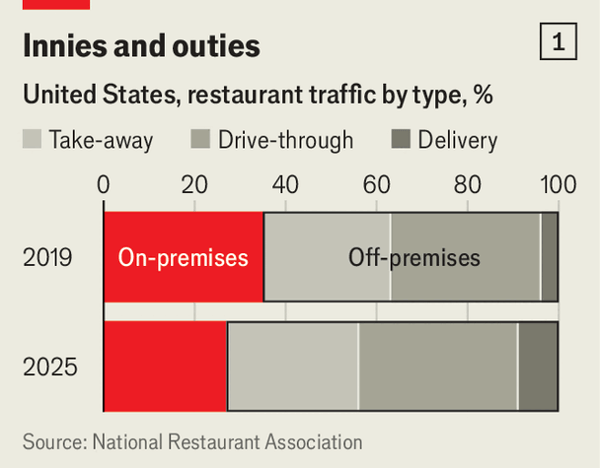
与此同时,数字化与外卖服务的爆发式增长重塑了餐饮业的收入结构。外送和自取业务在餐厅总营收中的占比已从2020年之前的15%飙升至如今的35%到40%,且在休闲快餐领域,高达50%的交易是通过数字渠道或移动应用完成的。餐饮企业必须适应这种从线下体验向高效外卖和数字化运营的转型,才能在成本剧增的环境中生存。
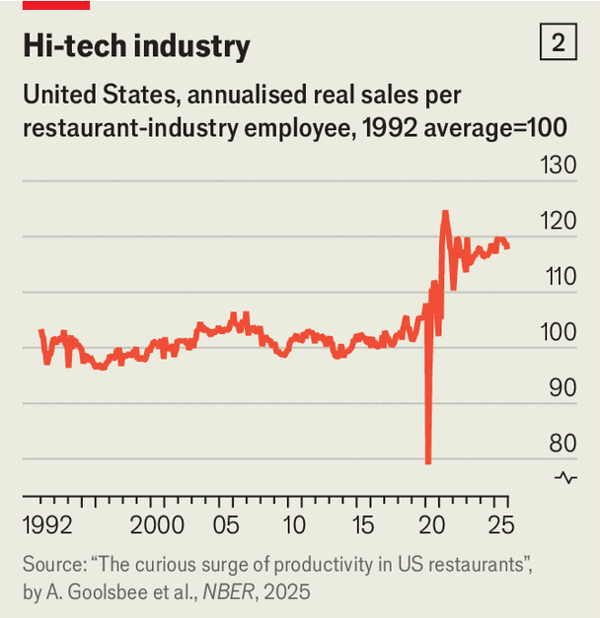
The global restaurant industry is undergoing a radical structural transformation driven by severe inflationary cost pressures. Since the pandemic, operating expenses for dining establishments have surged across all major categories: food ingredients have escalated by 25% to 30%, labor costs have risen by 20% to 25%, and commercial property rents have increased by 15%. These compounded overheads have severely compressed profit margins, rendering long-standing operational models unsustainable.
Middle-market casual dining has suffered the most pronounced contraction as squeezed consumer budgets force households to cut discretionary outings. At Osteria 166 in downtown Buffalo, weekly revenue dropped from $60,000 pre-pandemic to $15,000 due to declining office commuters. To remain viable, the venue shuttered its full-service dining room in favor of counter-service pizza and salads, lowering average customer checks by 25%. Premium establishments simultaneously face heightened customer scrutiny over value as consumers weigh dining out against elevated transport and childcare expenses.
Driven by changing consumer habits, off-premises transactions have redefined business economics. Delivery and takeout order volume has expanded from 15% of total restaurant revenues prior to 2020 to over 35-40% today, with digital applications now facilitating 50% of fast-casual transactions. Survival in the modern food service sector increasingly requires optimizing kitchen efficiency, scaling digital order channels, and adjusting menu pricing to absorb elevated structural costs.
Source: The restaurant business is changing beyond recognitio
Subtitle: Blame technology, inflation and customers’ shifting habits
Dateline: 7月 30, 2026 05:37 上午 | London, New York and Tokyo