然而,与DeepSeek降低成本的路线不同,Kimi K3庞大的模型对记忆体基础设施提出了更高的要求。该模型占用约1.4TB的记忆体,这将持续支撑对SK海力士、台积电和辉达等公司的高频宽记忆体与先进晶片的需求。
Kimi K3即将开源其模型权重,同时阿里巴巴也展示了2.4兆参数的Qwen 3.8-Max模型。这表明先进AI模型的竞争已不再局限于美国顶尖实验室,这可能会对美国企业的定价能力造成压力,同时推动AI硬体基础设施的投资。
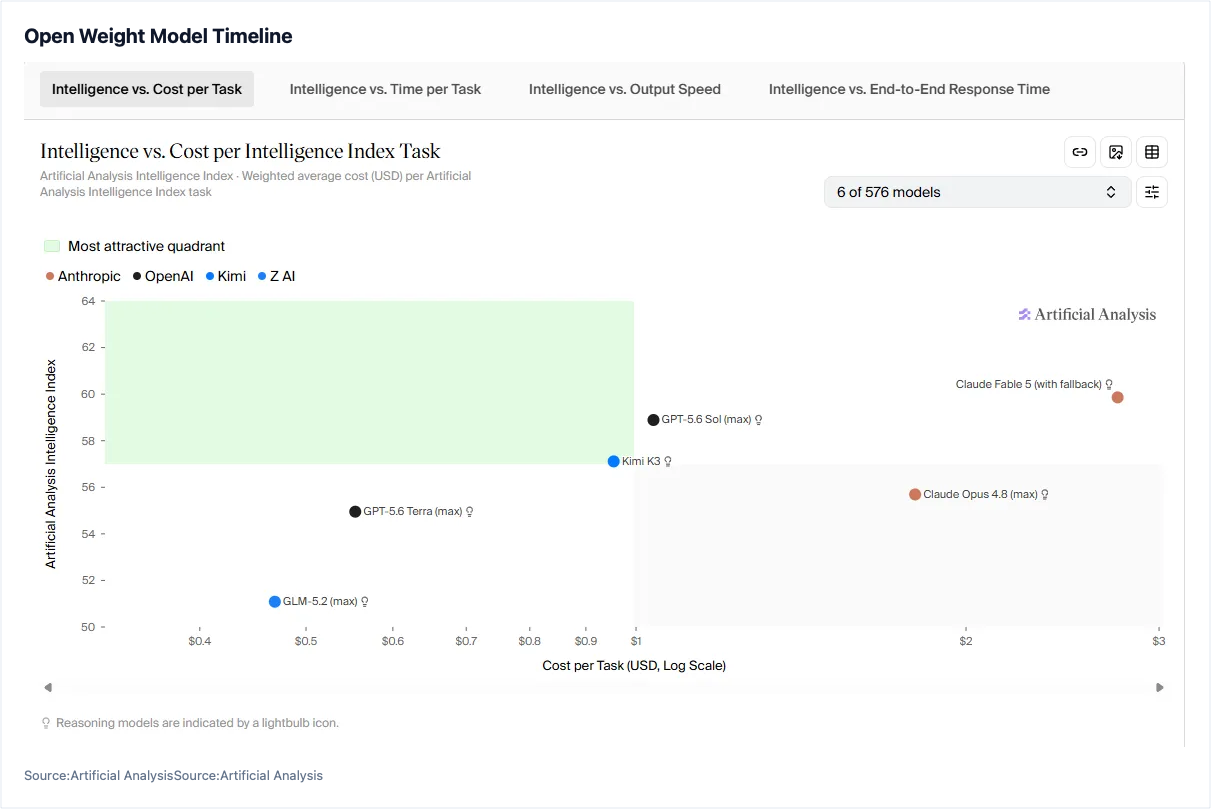
Moonshot AI has released Kimi K3, a 2.8 trillion-parameter model. Its focus on computing efficiency triggered a sharp decline in semiconductor stocks, mirroring the market's reaction to DeepSeek's R1 debut.
However, unlike DeepSeek's cost-reduction approach, Kimi K3's massive size places heavy demands on memory infrastructure. Occupying roughly 1.4 terabytes of memory, the model will continue to drive demand for high-bandwidth memory and advanced chips from companies like SK Hynix, TSMC, and Nvidia.
With Kimi K3's upcoming open-weight release and Alibaba's preview of its 2.4 trillion-parameter Qwen 3.8-Max model, competition in advanced AI is expanding globally. This shift could challenge US pricing power while fueling continued investments in AI hardware ecosystems.