这些可靠性问题正在冲击资料中心的营运与财务表现。部分设施的实际运行时间仅约80%,远低于全年无休的设计预期,每分钟停机损失可达数千至数十万美元。德州一座规划中的2.67吉瓦AI园区为达到微软要求的99.999%可靠性,不得不将供电时程从2027年推迟至2028年。投资者与贷款方对超大规模业者数千亿美元的支出已感到不安,设备折旧速度可能远快于预期,进一步加剧了对AI投资回报的质疑。
AI资料中心的电力波动也对更广泛的电网稳定构成威胁。其极端动态负载可引发次同步振荡,损害电网其他节点的设备,令全球电力公司深感忧虑。北美电力可靠性公司已多次发出警告,将资料中心列为电网稳定的最大风险之一,并于今年发布罕见的三级警报,要求大型资料中心立即应对。业界正积极寻求解决方案,包括Nvidia改进晶片部署流程、美国能源部在丹佛附近建立测试平台,以及部署电池、电容器与飞轮等稳压设备。
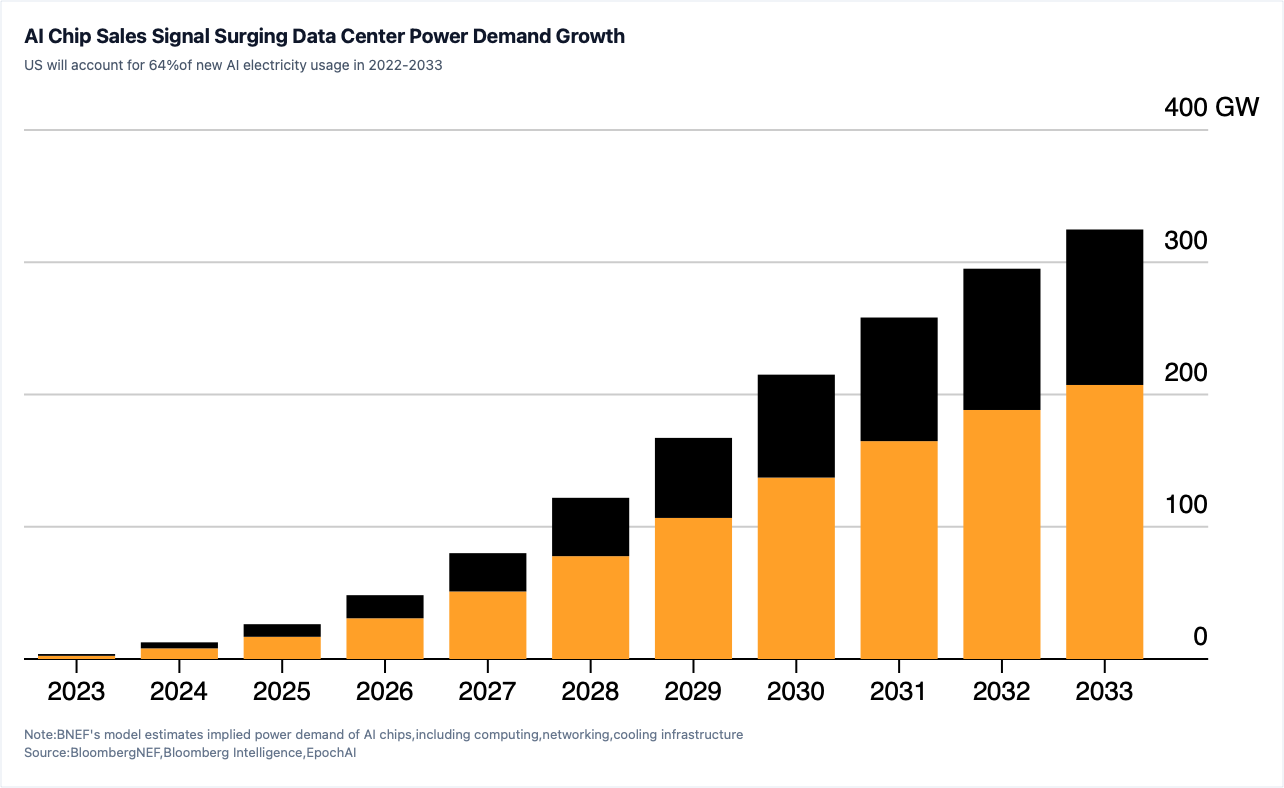
AI data centers are placing unprecedented strain on critical power infrastructure. Rapid swings in electricity demand—driven by hundreds of thousands of GPUs powering up and down in milliseconds during model training—cause power usage to spike as much as 50% above design capacity. This repeated stress is causing batteries, generators, turbines, and cooling systems to malfunction or wear out far sooner than expected. Gas turbine cracking has been reported at facilities including xAI's Colossus site in Memphis and smaller data centers in the UK, while batteries installed to smooth power fluctuations have needed replacement within weeks. (Key numbers: 150)
The reliability failures are already causing significant financial and operational consequences. Some data centers are achieving only about 80% uptime rather than the near-continuous operation they were designed for, with downtime costing anywhere from thousands to hundreds of thousands of dollars per minute. A planned 2.67-gigawatt AI campus in West Texas had to delay its power delivery timeline by a full year to meet Microsoft's 99.999% reliability requirement. These issues compound existing investor anxiety over hundreds of billions of dollars in AI infrastructure spending and questions about whether GPU rack depreciation rates undermine the industry's profitability projections.
Beyond individual facilities, AI data centers pose a growing threat to the stability of the broader electrical grid. Their extremely dynamic loads can trigger sub-synchronous oscillations that damage equipment across the network, prompting the North American Electric Reliability Corp. to issue repeated warnings and a rare level-three alert requiring large data centers to address immediate risks. The industry is actively pursuing solutions: Nvidia is collaborating more closely with power engineers on chip deployment, the U.S. Department of Energy has established a test bed near Denver to study safe grid integration of AI workloads, and operators are deploying batteries, capacitors, transformers, and flywheels to stabilize power flows—though experts warn that in the rush to build capacity, too few of these technologies are being installed.