为了进一步减轻民众负担,政府还将向符合条件的低收入家庭发放总额约六千亿日圆的现金补贴。这项补贴措施等同于让这些弱势家庭在食品消费上享受零税率的待遇。(关键数字:600)
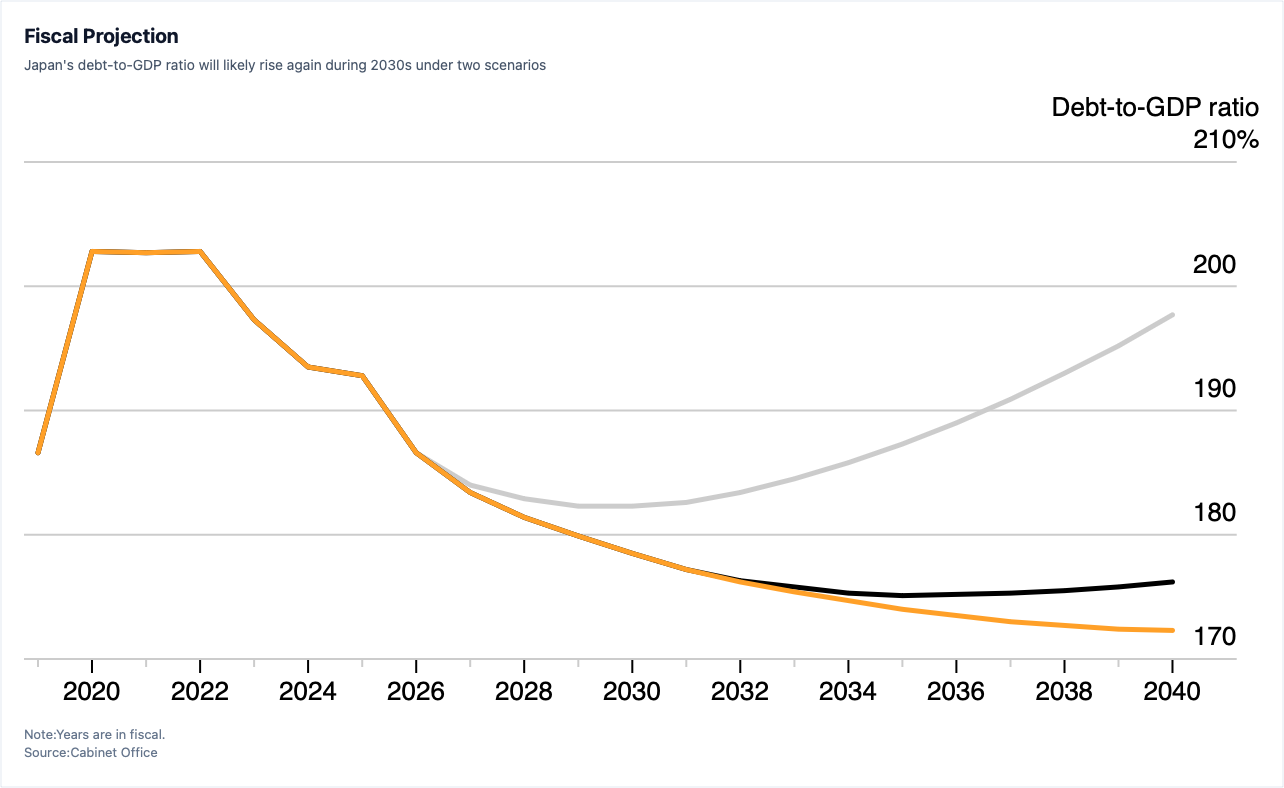
在资金来源方面,高市早苗强调政府不会依赖发行赤字公债,而是透过审查特别帐户和政府基金来寻求额外的非税收收入。此举是为了安抚金融市场对日本高额债务及财政扩张政策的担忧。
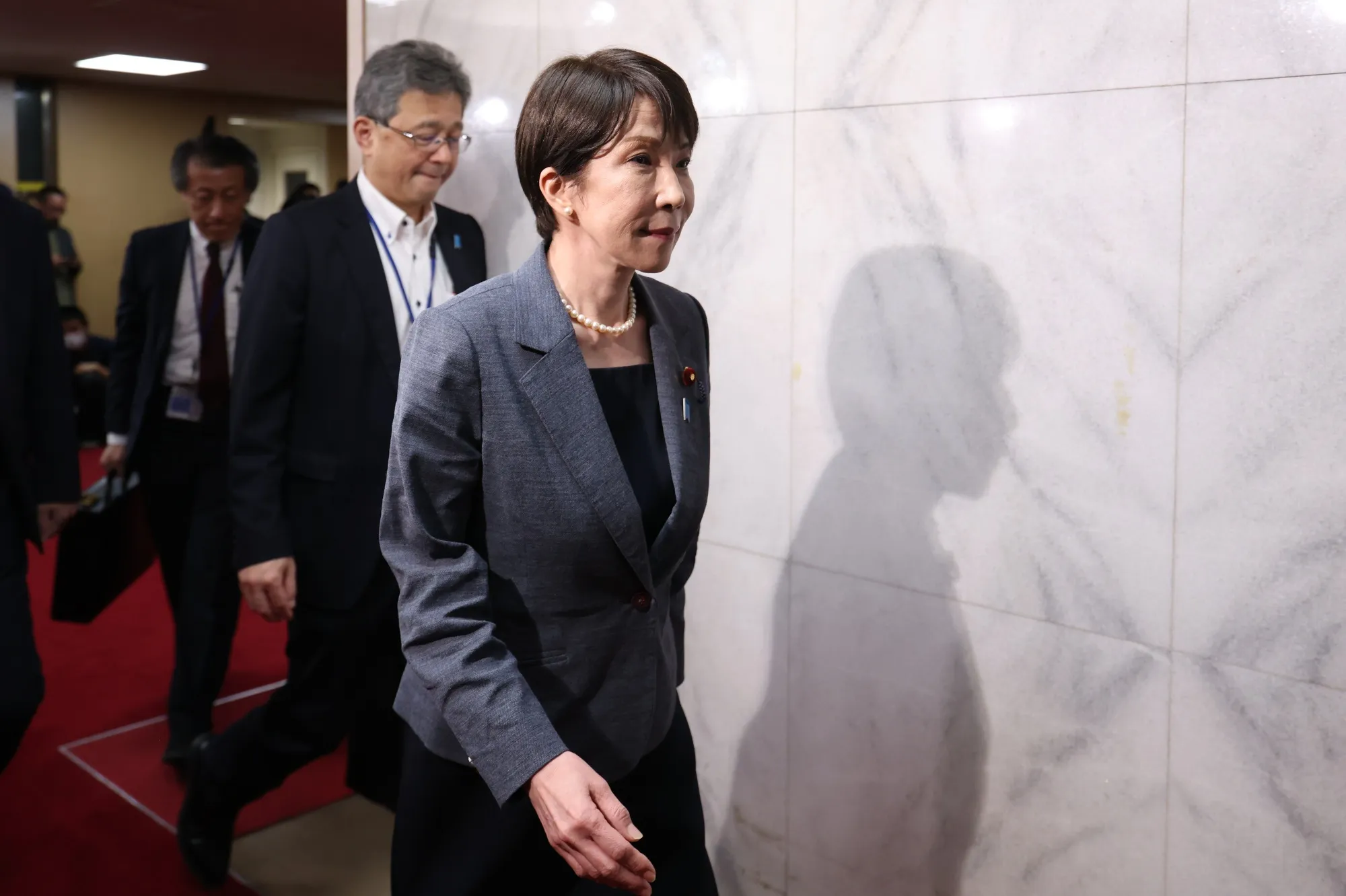
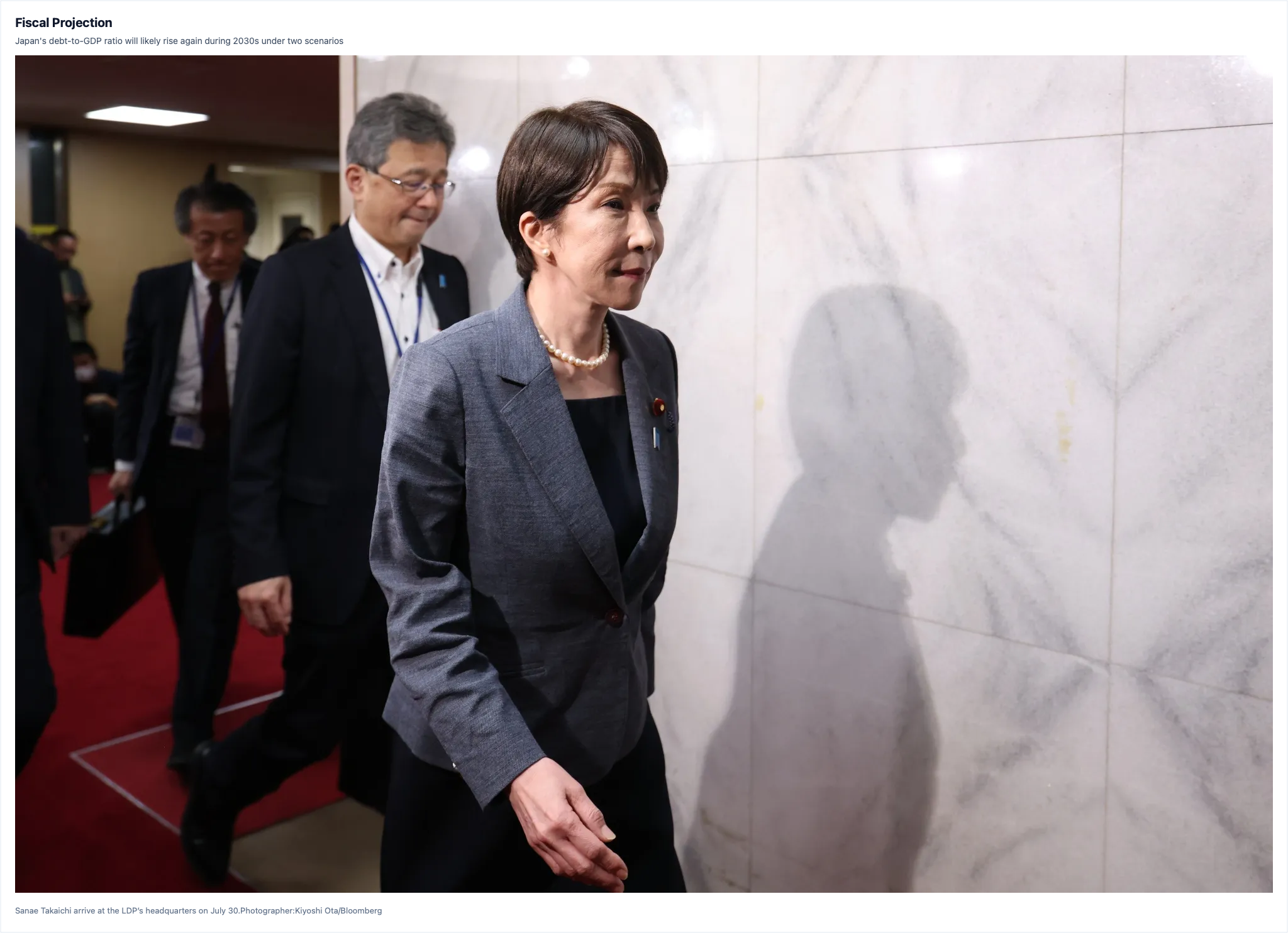
Japanese Prime Minister Sanae Takaichi formally announced a plan to temporarily reduce the sales tax on food and non-alcoholic beverages to one percent starting next April for a period of two years. This measure aims to alleviate the mounting pressure of living costs on the public while attempting to rescue her recently declining approval ratings caused by her focus on other legislative issues.
To further ease the financial burden on citizens, the government will also distribute approximately 600 billion yen in cash handouts to eligible low-income households. This supplementary measure effectively grants these vulnerable families a zero-tax rate on their food purchases.
Regarding funding sources, Takaichi emphasized that the government will not rely on issuing deficit-financing bonds, but will instead seek additional non-tax revenues by reviewing special accounts and government funds. This approach is intended to reassure financial markets that are concerned about Japan's massive debt and fiscal expansionist policies.