尽管面临经济下行压力,但全球人工智慧基础设施的建设带动了中国工厂的繁忙与出口的双位数增长,这为政府在推出新刺激措施时保留了克制的空间。因此,会议的重点放在加快落实公共支出以及善用已授权的地方政府债券资金,而不是扩大整体的支持规模。
在货币政策方面,官员们仅模糊承诺会在适当的时机调整货币政策工具,许多经济学家因此撤回了对今年降息的预期。展望未来,解决经济中日益加剧的不平衡现象依然是一项艰巨的任务,而政府可能会将政策重心继续放在执行现有措施,并积极发展人工智慧等新兴智慧经济领域。
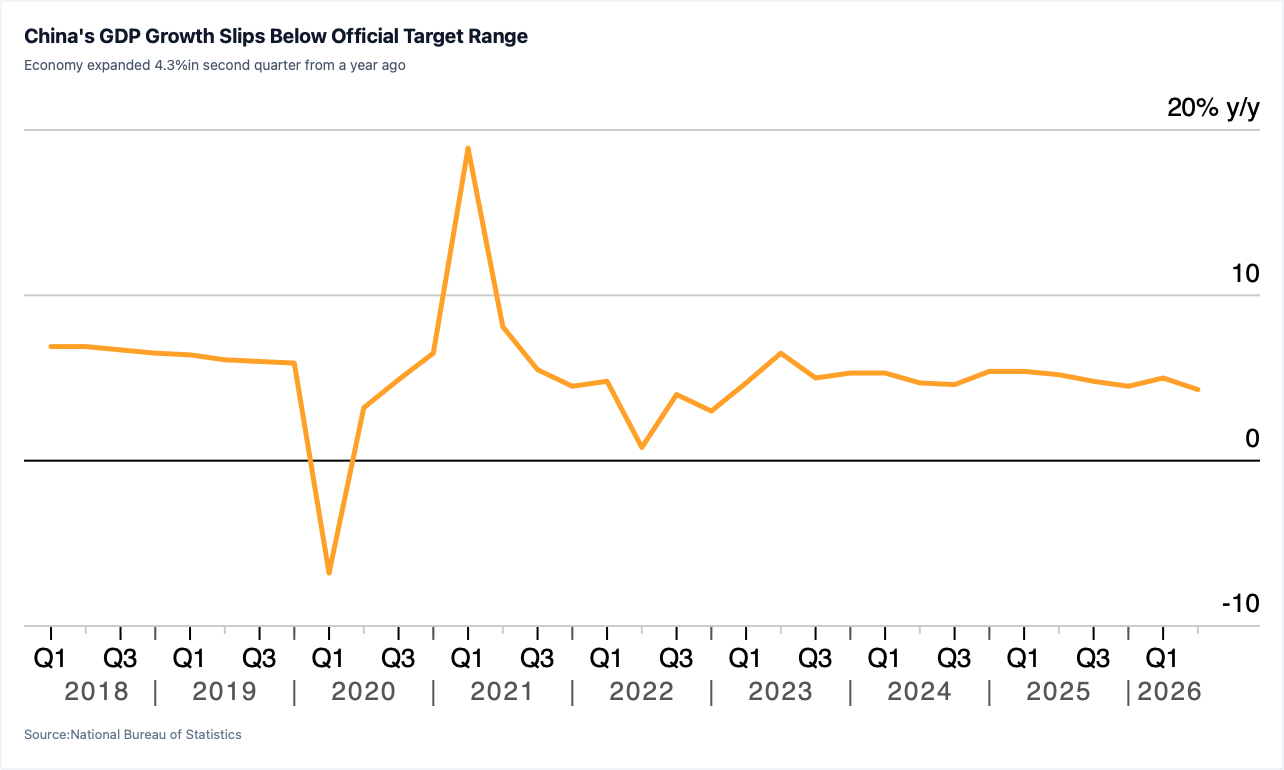
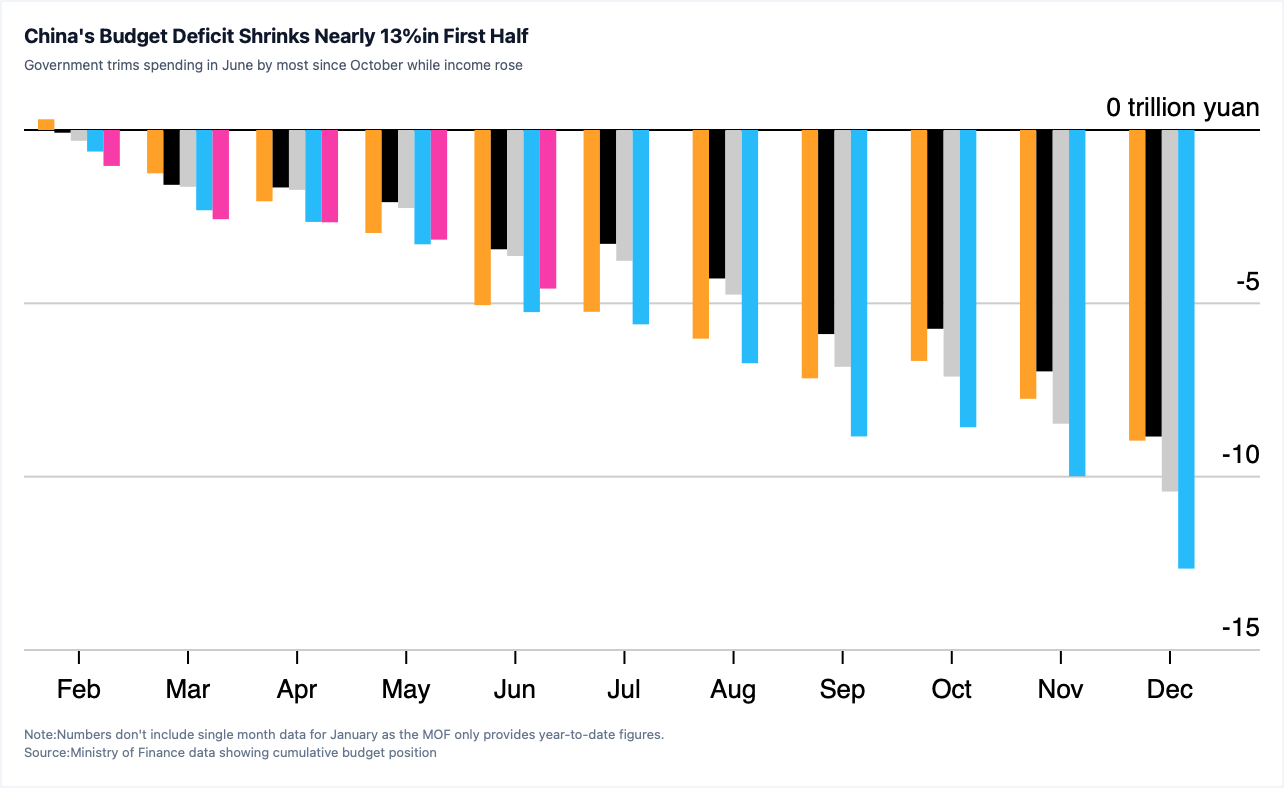
Top Chinese officials struck a more supportive tone regarding the economy at a recent Politburo meeting, but they refrained from announcing major new stimulus measures despite growth unexpectedly slowing to 4.3%, below the official target. Policymakers emphasized rolling out pragmatic new policies in a timely manner and noted challenges such as shrinking household wealth and economic imbalances, a measured approach that ultimately disappointed investors expecting a more forceful response.
Despite the downward pressure on the economy, the global buildout of artificial intelligence infrastructure has kept Chinese factories busy and fueled double-digit export growth, giving the government room to exercise restraint in deploying fresh stimulus. Consequently, the meeting's immediate focus was placed on accelerating public spending and utilizing already authorized government bond funds rather than expanding the overall scale of economic support.
On the monetary front, officials made only vague commitments to adjust policy tools at an appropriate time, leading many economists to retract their expectations for an interest rate cut this year. Looking ahead, fixing the widening imbalances within the economy remains a daunting challenge, and the government will likely keep its policy focus on implementing existing measures while actively developing emerging sectors like the intelligent economy.