市场焦点目前已转移至即将发布第二季度财报的超大型云端服务供应商。由于这些企业面临著证明人工智慧投资能带来实际收益的压力,投资者对其庞大的资本支出以及当前AI反弹趋势的永续性感到担忧。如果收入无法达到预期,这些公司可能被迫缩减资本支出目标。
除了科技领域的波动,地缘政治紧张局势的升温也对市场构成威胁。中东地区冲突的重新抬头推动了原油价格上涨,进一步警示了跨资产类别的潜在风险。分析师警告,当前市场定价几乎没有为AI发展、油价波动、脆弱的劳动力市场以及企业违约等潜在风险留出缓冲空间。
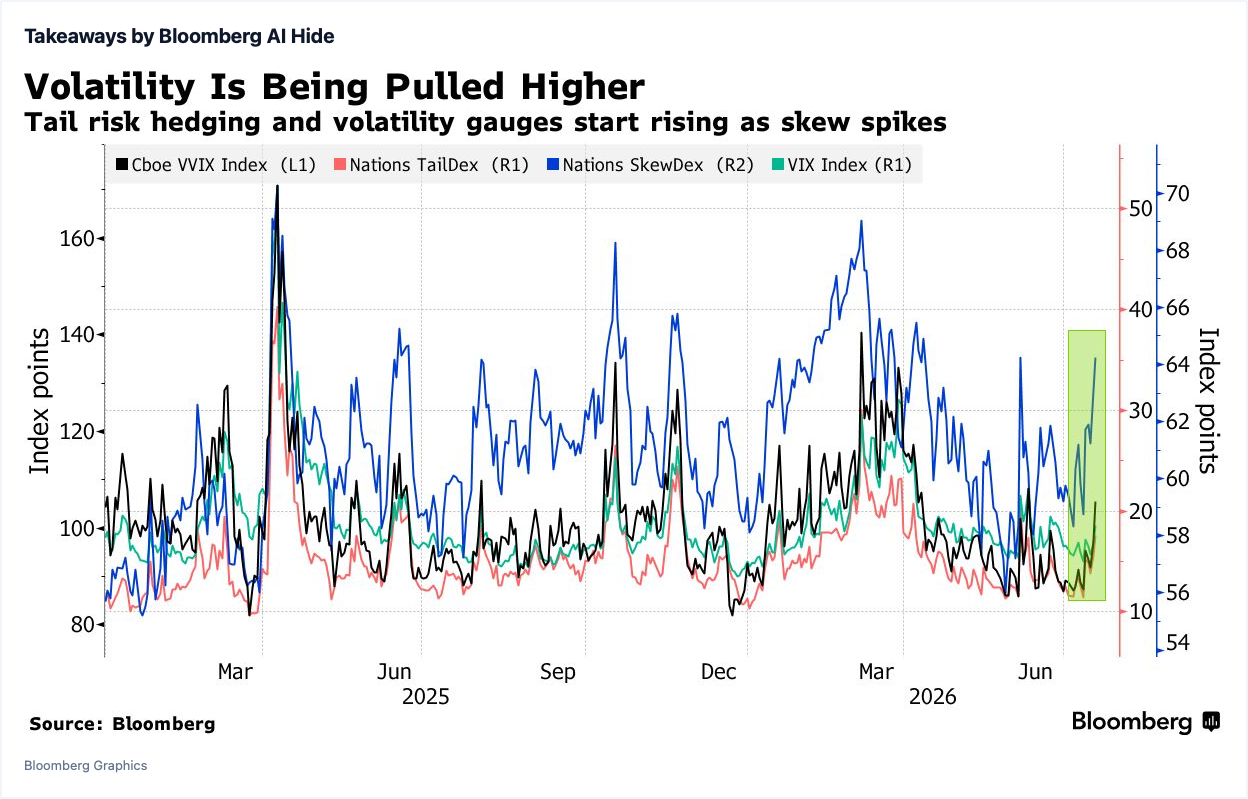
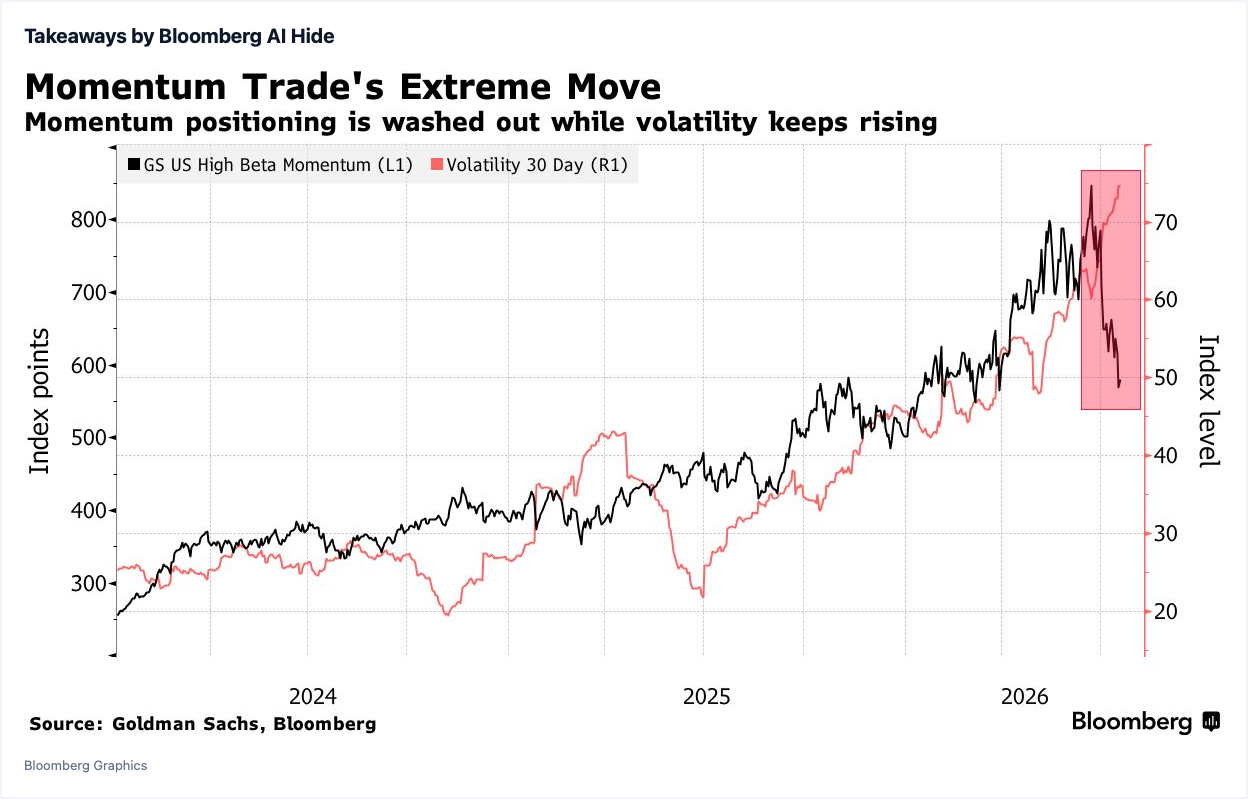
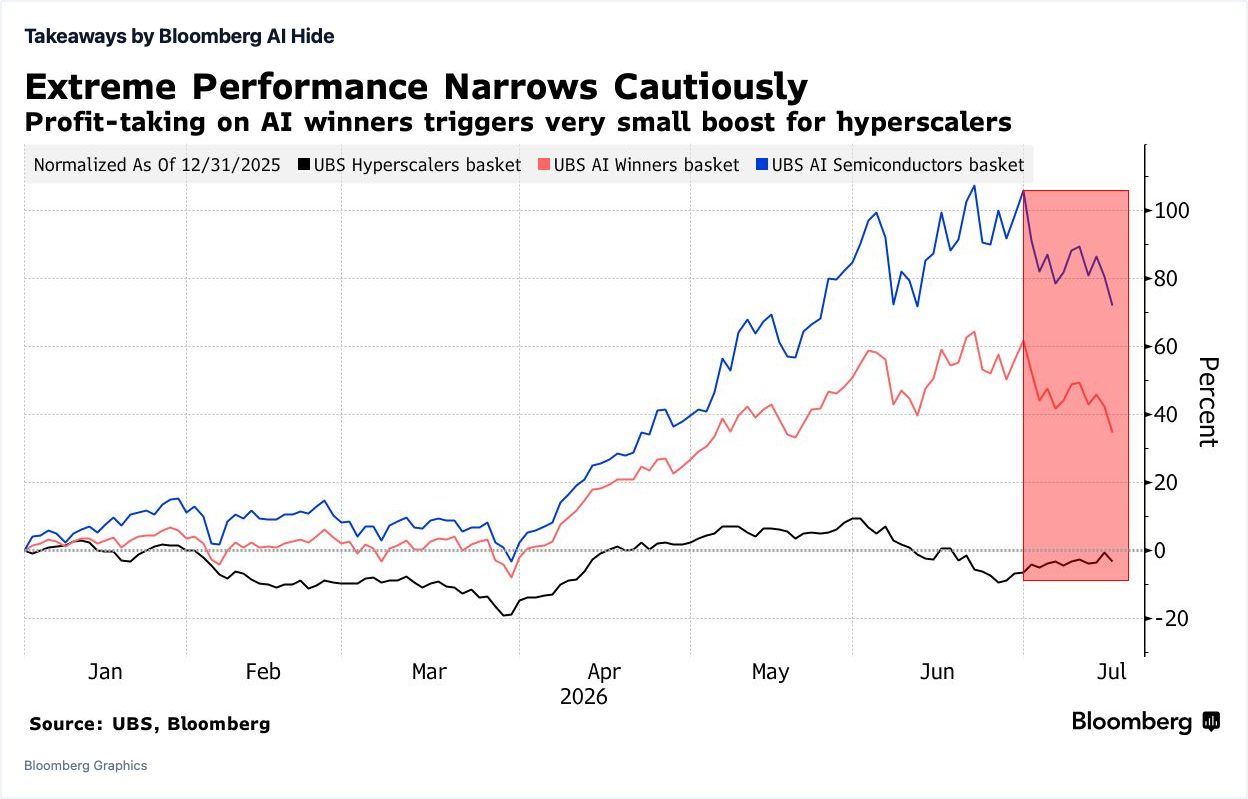
Index volatility is steadily increasing as investors grapple with a growing list of concerns that challenge the broader bullish market view. The unwinding of crowded AI-related trades has triggered a significant market rotation, accompanied by a rapid surge in hedging demand. Despite strong initial earnings reports, major tech players like TSMC and ASML have experienced stock declines even after beating market expectations.
Market focus has now shifted to hyperscalers as they prepare to release their second-quarter earnings reports. Investors are increasingly concerned about massive capital expenditures and the sustainability of the current AI rally, placing pressure on these companies to prove that their AI investments are generating actual revenue. Should revenue fail to meet expectations, these firms may be forced to scale back their capital expenditure targets.
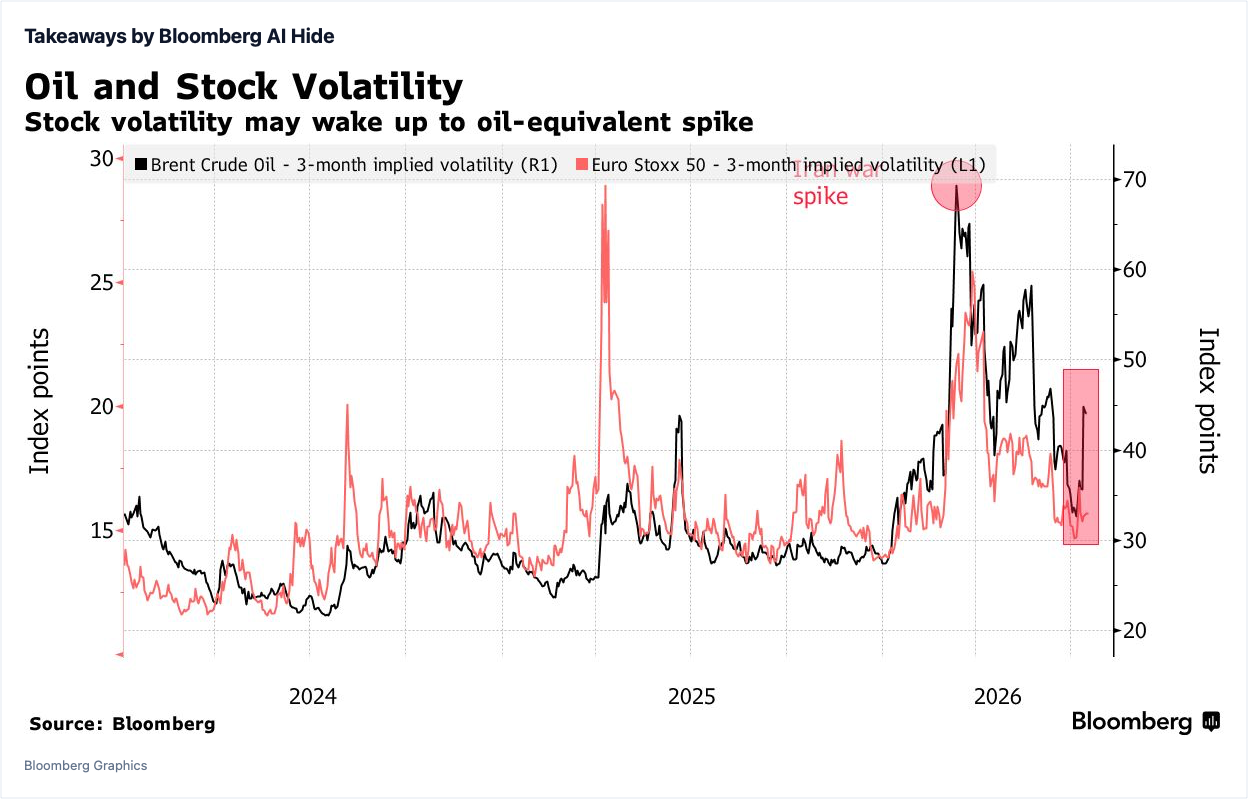
Beyond the volatility in the technology sector, escalating geopolitical tensions pose a significant threat to the markets. Renewed hostilities in the Middle East have driven up crude oil prices, serving as a warning sign for potential risks across various asset classes. Analysts warn that current market pricing leaves little room for disappointment regarding AI development, fluctuating oil prices, a fragile labor market, and rising corporate defaults.