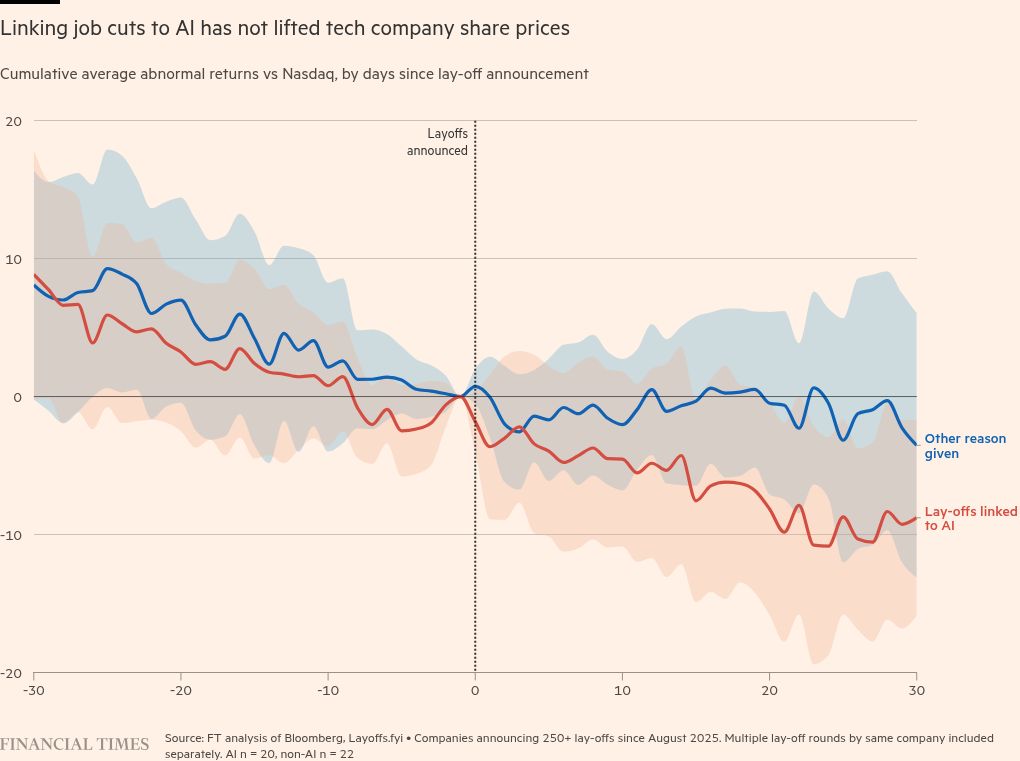
然而,经济学家和劳动力市场专家呼吁对此现象保持谨慎。许多专家认为,企业可能将裁员包装成 AI 驱动的生产力提升,以掩盖财务表现不佳或企业重组等更普遍的原因。实际上,广泛的经济数据并未显示裁员率异常升高,且投资者也不一定会对宣布 AI 相关裁员的企业给予股价上的奖励。
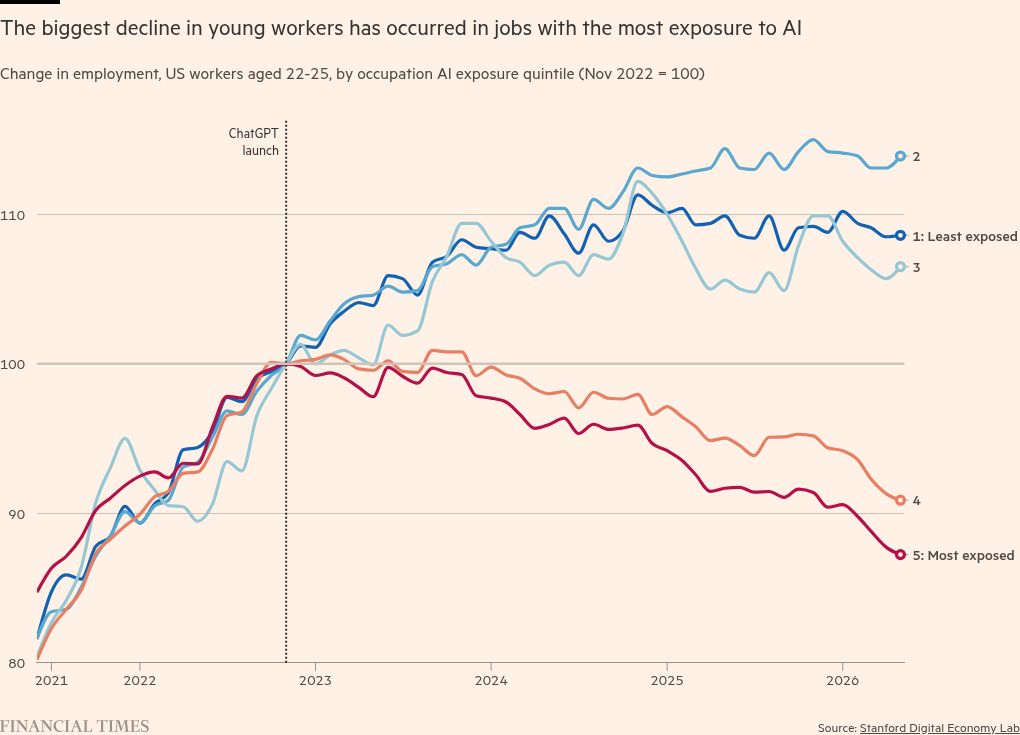
尽管 AI 尚未造成全面的失业潮,但它确实开始重塑劳动力市场。客服等容易被自动化的初阶职位已经受到冲击,招募需求大幅下降。此外,AI 带来的效率提升也可能让企业放缓招募速度,进而导致整体职缺数量减少,这使得求职者在当前的就业市场面临更激烈的竞争。
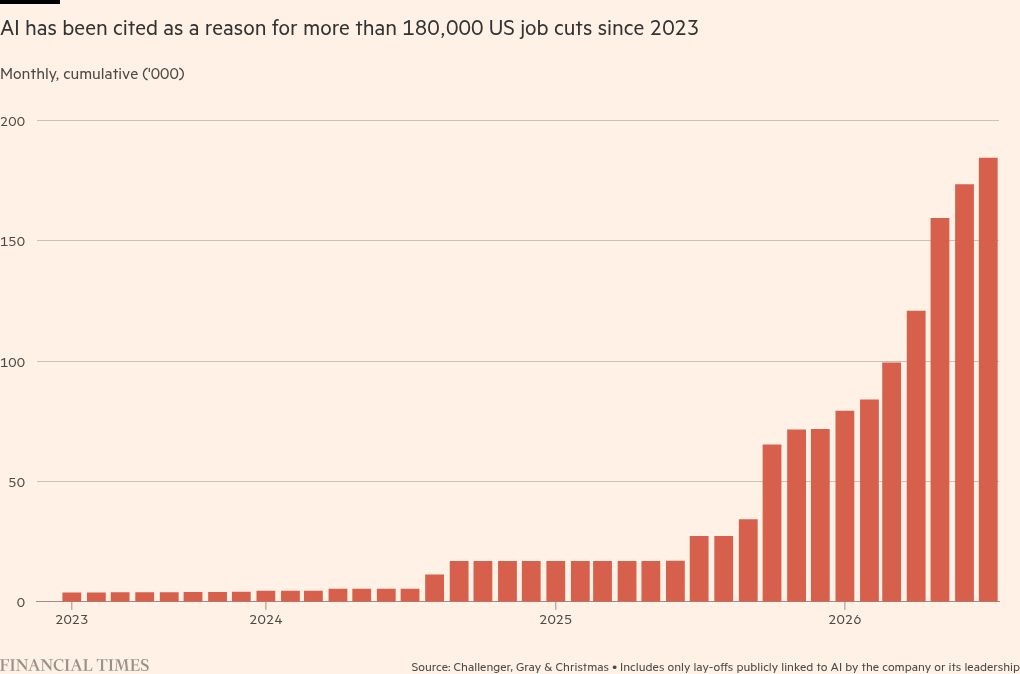
According to recent data, more than 180,000 corporate job cuts have been linked to Artificial Intelligence (AI) since May 2023. Many large employers, including Oracle, Salesforce, and Meta, have attributed layoffs to investments in AI or the productivity gains it brings. This trend has sparked fears of a white-collar unemployment wave, particularly in highly exposed sectors such as software engineering, marketing, and entry-level roles.
However, economists and labor market experts urge caution in interpreting this phenomenon. Many argue that companies might be framing layoffs as AI-driven productivity gains to mask more common reasons like poor financial performance or corporate restructuring. In reality, broader economic data does not show unusually elevated redundancy rates, and investors do not necessarily reward companies with stock price boosts following announcements of AI-related layoffs.
Although AI has not yet caused a sweeping wave of unemployment, it is indeed beginning to reshape the labor market. Entry-level positions susceptible to automation, such as customer service, have already been hit, seeing dramatic drops in hiring. Furthermore, the efficiency gains brought by AI may be causing companies to slow their hiring rates, leading to an overall decline in job postings, which makes the current job market much more competitive for job seekers.