在老挝、缅甸与泰国交界处的“金三角”,曾一度生产全球三分之二的鸦片,但在各国联合严打下,其非法鸦片全球份额在2006年曾骤降至5%。然而,联合国毒品和犯罪问题办公室(UNODC)最新报告显示,缅甸已重新沦为全球最大的非法鸦片产地,这种被称为“黑金”的毒品原浆在东部掸邦等地疯狂复燃。外部供需格局的剧变为其提供了暴利契机:阿富汗塔利班自2021年重掌政权后厉行罂粟种植禁令,造成全球原料紧缺并显著推高了缅甸农民的鸦片收购价格。
缅甸内部持续升级的政治与人道灾难则是罂粟种植面积激增的内生温床。自五年前军方发动政变引爆内战以来,该国已有约520万人流离失所、数万人丧生,贫困人口比例翻倍升至总人口的50%。对于深陷赤贫的农户而言,种植罂粟成为绝境中的生存手段,去年全缅罂粟种植面积同比激增17%,创下十年新高。在缺乏稳定生计与市场保障的偏远山区,每公顷鸦片的干浆利润相当于咖啡等合法经济作物的约三倍,巨大的经济诱惑使得传统农业替代步履维艰。
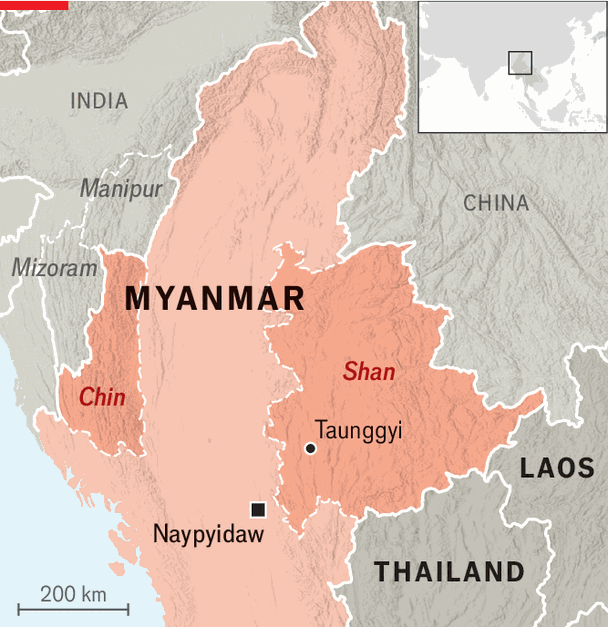
毒潮外溢正对周边邻国构成严峻的安全冲击。在西部的钦邦,罂粟种植正向印度曼尼普尔邦和米佐拉姆邦边境蔓延,引发印方关于“金三角向印度位移”的强烈恐慌;而在毒品转运枢纽泰国,部分边境城镇吸毒率五年内激增三倍,迫使缅甸军政府领导人敏昂莱于8月在曼谷与泰国总理会面并承诺联合打击。尽管UNODC正联合泰国专家在掸邦首府东枝周边推广咖啡替代种植试点,但军方与多支地方民族武装常年被指控直接从毒品贸易中抽税自肥,且战乱割据严重阻碍执法。泰国当年在和平与充裕财力支撑下历时半个世纪才根除罂粟,而深陷战火与破产泥潭的缅甸显然难逃毒品经济的长期反噬。
The Golden Triangle, spanning Laos, Myanmar, and Thailand, historically supplied two-thirds of global opium before law enforcement reduced its market share to 5% by 2006. Today, however, Myanmar has reclaimed its status as the world’s foremost producer of illicit opium, according to the United Nations Office on Drugs and Crime (UNODC), with cultivation rebounding vigorously across eastern Shan State. This resurgence is fueled by external market shifts: since retaking power in 2021, the Afghan Taliban reimposed strict narcotics prohibitions, restricting global supply and inflating the prices paid to Myanmar's growers for raw opium gum.
Internally, Myanmar’s severe socioeconomic collapse has entrenched the drug trade as a lifeline for the destitute. The civil war following the 2021 military coup has displaced 5.2m people, claimed tens of thousands of lives, and doubled the poverty rate to encompass half the nation’s population. For impoverished rural families, poppy farming provides indispensable income; nationwide cultivation acreage expanded by 17% last year to a ten-year peak. In regions lacking formal market integration, a hectare of dry opium yields approximately three times the revenue generated by alternative cash crops such as coffee, severely impeding non-narcotic substitution initiatives.
The narcotics deluge poses mounting security challenges for neighbouring countries. Cultivation in western Chin State has spread toward the Indian states of Manipur and Mizoram, provoking alarm in New Delhi over the Golden Triangle shifting westward. Concurrently, addiction rates in Thai border communities have tripled over five years due to transit trafficking, prompting junta chief Min Aung Hlaing to meet Thailand’s prime minister in Bangkok to pledge cross-border enforcement. While the UNODC promotes crop-substitution programs around Taunggyi, scaling remains constrained: the junta and various ethnic armed groups are widely accused of extracting revenue from narcotics, territorial control remains fragmented, and Myanmar lacks the internal stability and fiscal resources that enabled Thailand to eliminate hillside poppies over fifty years.
Source: “Black gold” is pouring out of Myanmar
Subtitle: It is again the world’s largest producer of opium
Dateline: Sep 10th 2026