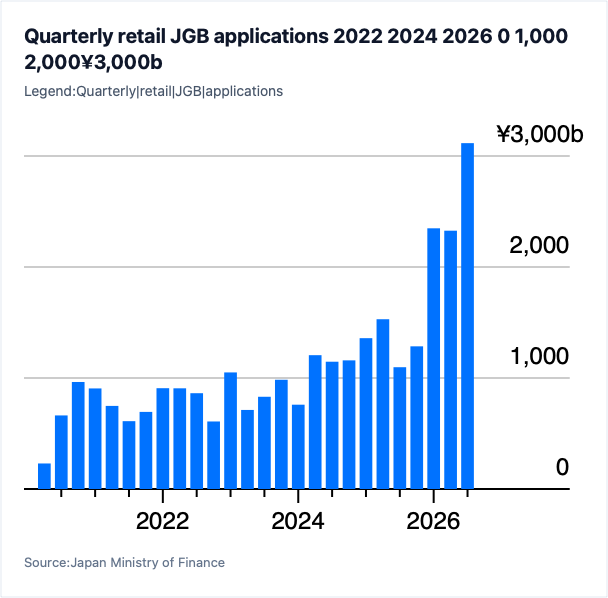
日本本土的固定收益投资文化正在强势复苏,公共养老基金、民间银行与保险公司等机构大举加码国内公债,而个人投资者对个人型国债的认购量也创下新高纪录。尽管日本投资人并未完全撤出海外股市或所有外国主权债,但资金明显正在向本土回流,迫使全球债券发行人必须提供更具吸引力的风险溢价来竞争这些挑剔的资本。
尽管拥有庞大的主权债务负担,日本在近期全球债券抛售潮中表现出相对的稳定性,主要得益于其政府债务的低票面利率、长平均到期年限以及相对稳固的政治金融体系。然而,这种喘息空间并非永久无虞,新政府亦在公开发言中极力安抚市场情绪,未来全球资本市场必须习惯一个需要付出更高代价才能吸引日本资金的新现实。
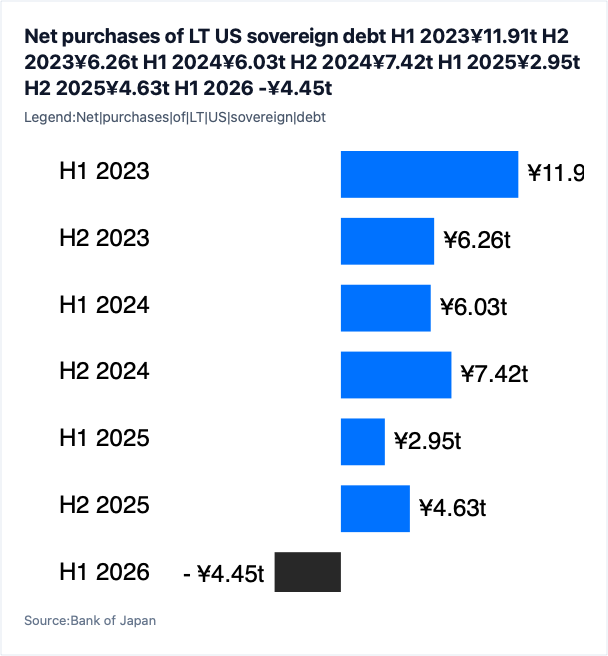
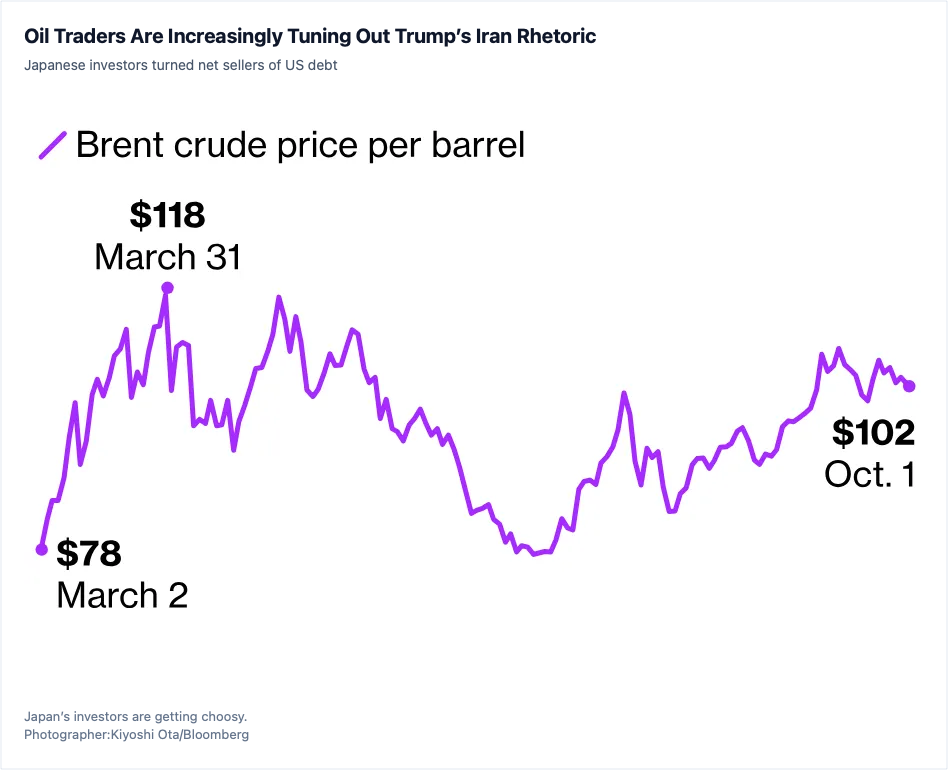
As Japan returns to inflation and normalizes its monetary policy, rising domestic yields are prompting Japanese investors to reconsider the massive overseas capital outflows of the past zero-rate era. With high currency hedging costs and growing political uncertainty abroad, local investors are becoming increasingly discerning—selling off French sovereign debt and paring down US Treasuries—signaling that global borrowers can no longer take cheap Japanese money for granted.
A domestic fixed-income culture is experiencing a strong resurgence in Japan, with public pension funds, commercial banks, and life insurers aggressively buying local government debt, while retail investor demand for domestic bonds hits record levels. Although Japanese capital has not completely retreated from foreign equities or select European bonds, the undeniable domestic rotation means global debt issuers must now offer higher risk premiums to compete for this capital.
Despite carrying the highest debt-to-GDP ratio among major developed economies, Japan has remained relatively resilient during the recent global bond selloff, shielded by an extended average debt maturity, historically low coupon rates, and a stable financial framework. Nevertheless, this cushion is temporary, prompting policymakers to proceed with caution as global markets adapt to a new era where attracting Japanese capital requires paying a premium.