中美两国在具身智能的发展路径上出现了显著分歧,关键在于训练资料的获取方式。美国企业多依赖实验室模拟或购买廉价劳动力数据,而中国则利用其庞大的供应链优势与政府支持的资料收集中心,直接将机器人投入真实的工业与家庭环境中,透过大规模实际操作来获取海量训练数据。
面对人口老龄化与劳动力短缺的挑战,中国将人形机器人视为维持经济增长与解决缺工问题的关键。透过在各类真实场景中的大规模部署,中国企业正积极累积数千万小时的数据,期望能率先突破AI模型的训练瓶颈,进而主导未来价值高达五兆美元的人形机器人市场。
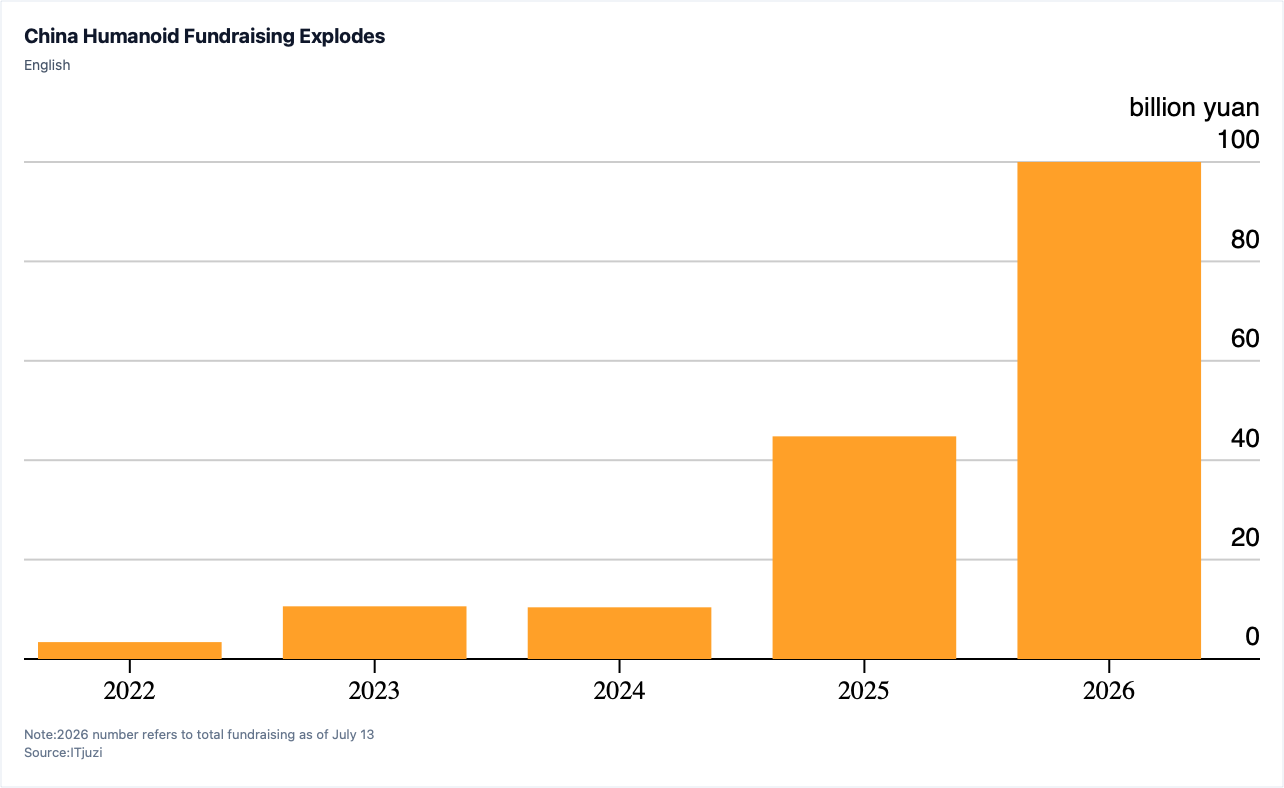
China is deploying humanoid robots into industrial settings such as logistics hubs and factories at an unprecedented pace, surpassing the US in rollout speed. Backed by strong government support and a massive influx of investment, the Chinese robotics industry is undergoing a major shift from hardware manufacturing to the development of "embodied intelligence" software, with many tech giants and startups rushing to develop their own robotic AI models.
A significant divergence has emerged between China and the US in their development paths for embodied intelligence, primarily concerning how training data is acquired. While US companies heavily rely on laboratory simulations or purchasing data generated by low-cost labor, China is leveraging its massive supply chain advantages and government-backed data collection centers to deploy robots directly into real industrial and domestic environments, capturing vast amounts of training data through large-scale real-world operations.
Faced with the challenges of an aging population and impending labor shortages, China views humanoid robots as a crucial solution for sustaining economic growth and filling workforce gaps. Through large-scale deployments across a wide variety of real-world scenarios, Chinese companies are aggressively accumulating the tens of millions of hours of data required to break through the AI model training bottleneck, hoping to take the lead in the future five-trillion-dollar humanoid robot market.