自2025年10月出任日本首相以来,高市早苗展现出类似“日本首席执行官”的国家集权治理风格。其最新推出的宏观经济重组计划显示,日本政府计划在2041年初之前,在17个战略领域撬动370万亿日元(约2.3万亿美元,相当于GDP的55%)的公共与私人联合投资。为扫清财政预算障碍,高市打破惯例允许各省厅提出跨年度预算申请,导致下一财年初步预算申请额飙升至创纪录的143万亿日元(此前为122.5万亿日元)。激进的财政扩张引发金融市场剧烈恐慌,日本10年期国债收益率三十年来首次突破3%大关。
尽管高市曾声称其政策是其政治导师安倍晋三“安倍经济学”的延续,但“高市经济学”在实质上背离了市场导向。不同于安倍依靠货币刺激和企业治理改革来激活私营部门活力的做法,高市缺乏对自由市场的天然信仰,转而全面拥抱产业政策与国家干预。她大幅重用战后主导统制经济的经济产业省(METI),压制财务省的财政鹰派,并以政府控股的高端芯片企业Rapidus为模版,试图将“国家队”模式复制到所有前沿赛道。其阵营辩称,受通胀和税收增长推动,日本政府总债务占GDP比重已从230%降至210%以下(净债务约130%),完全有空间放弃实现基础财政收支平衡的传统约束。
然而,经济学界与市场对这种激进开支的可持续性高度质疑。在受访的48位日本主流经济学家中,多达35位明确认为此类国家投资无法带来足以稳定债务率的高速增长。更令人担忧的是,通过不计入官方债务率的“过桥债券”融资的开放式专项基金已收到12万亿日元申请,加之明年4月即将落地的消费税减税承诺,财政赤字将面临失控风险;而伴随利率攀升,明年预算中的债务偿付成本已同比大增17%,达创纪录的36.6万亿日元。尽管高市安插鸽派理事试图压制加息,但面对顽固通胀与美方对日本货币政策扰动美债的指责,日本央行仍面临连续加息压力;加之关键的劳动力结构改革停滞甚至收紧外劳签证,高市豪赌国家资本主义的前景充满巨大不确定性。
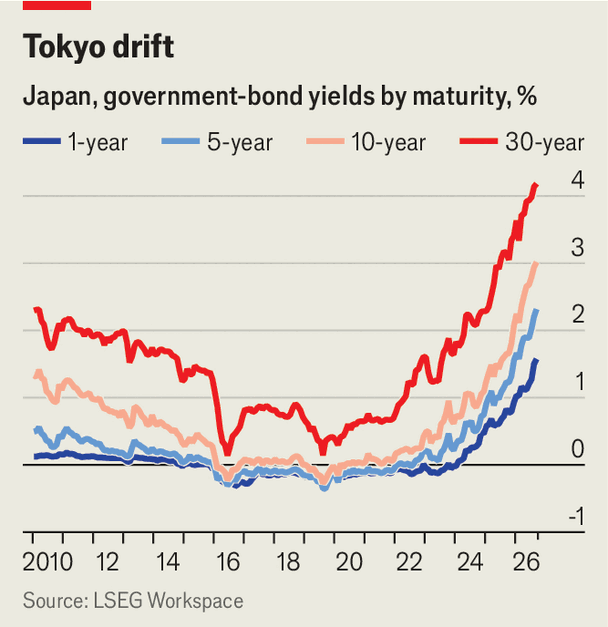
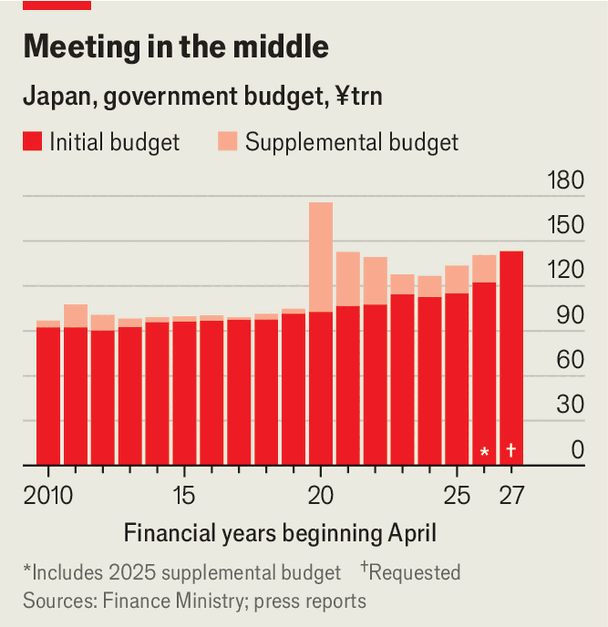
Since assuming office as Japan’s prime minister in October 2025, Takaichi Sanae has governed like the nation's executive-in-chief, advancing an expansive state-directed economic turnaround plan. Her growth strategy envisions mobilizing ¥370trn ($2.3trn, or 55% of GDP) in combined public and private investment across 17 strategic sectors through early 2041. To accommodate this ambition, Ms Takaichi reformed administrative budgeting to allow multi-year allocations, prompting record initial budget requests of ¥143trn for next fiscal year compared with ¥122.5trn previously. These vast borrowing requirements rattled financial markets, briefly sending ten-year Japanese government bond yields above 3% for the first time in three decades.
While Ms Takaichi frames her agenda as the heir to Abenomics, "Sanaenomics" represents a sharp break from market-oriented reform. Whereas the late Abe Shinzo used monetary easing alongside corporate-governance reforms to energize private capital efficiency, Ms Takaichi exhibits little instinctive trust in market mechanisms, turning instead toward state allocation. She has re-empowered the Ministry of Economy, Trade and Industry (METI) while sidelining fiscal conservatives at the Ministry of Finance, using state-backed semiconductor venture Rapidus as a universal industrial template. Takaichi loyalists justify this posture by pointing to global industrial policies across America and China, arguing that inflation has reduced gross public debt from 230% of GDP to under 210% (and net debt to 130%), rendering short-term primary balance surpluses obsolete.
Market analysts and economists harbor deep skepticism regarding these state-directed gambles. A survey of 48 prominent Japanese economists found 35 convinced that state investment will fail to generate growth sufficient to service expanding obligations. Fiscal risks are compounding: ministries have requested ¥12trn via off-balance-sheet "bridging bonds" for strategic projects, a promised consumption tax cut takes effect in April, and debt-servicing costs in next year's budget jumped 17% to a record ¥36.6trn. Although Ms Takaichi favors suppressed borrowing costs, persistent inflation and American pressure over spillover risks to US Treasuries leave the Bank of Japan poised for further rate increases. With METI's poor historic record of picking commercial winners and the government paradoxically curbing foreign labor pathways amid severe demographic contraction, Ms Takaichi’s state-centric gamble faces formidable headwinds.
Source: Takaichi Sanae's big-spending plans are unnerving markets
Subtitle: She is putting the state at the centre of Japan’s economy
Dateline: Sep 10th 2026