在国际市场上,中国的贸易地位不降反升,贸易顺差甚至创下历史新高。面对美国的贸易壁垒,中国企业借由扩大在第三国的投资与转向非美市场绕过限制,并在电动汽车等先进制造业领域持续扩展。同时,美国的打压反而促使北京加倍强化以科技自立为核心的国家资本主义产业政策,甚至导致中国自主研发出替代方案,使美国半导体企业失去全球最大晶片市场的高端份额。
作者认为,尽管中国内部仍面临债务激增、人口老化及资本配置效率不佳等结构性经济挑战,但这些问题并非华盛顿透过贸易制裁所能左右。过去八年的单边对抗政策不仅未能撼动中国的经济模式,反而加重了美国企业和消费者的成本负担。因此,美国应停止无效的单边围堵,转而专注于强化自身国内经济竞争力,并深化与盟友的合作以应对实质挑战。(关键数字:eight years)
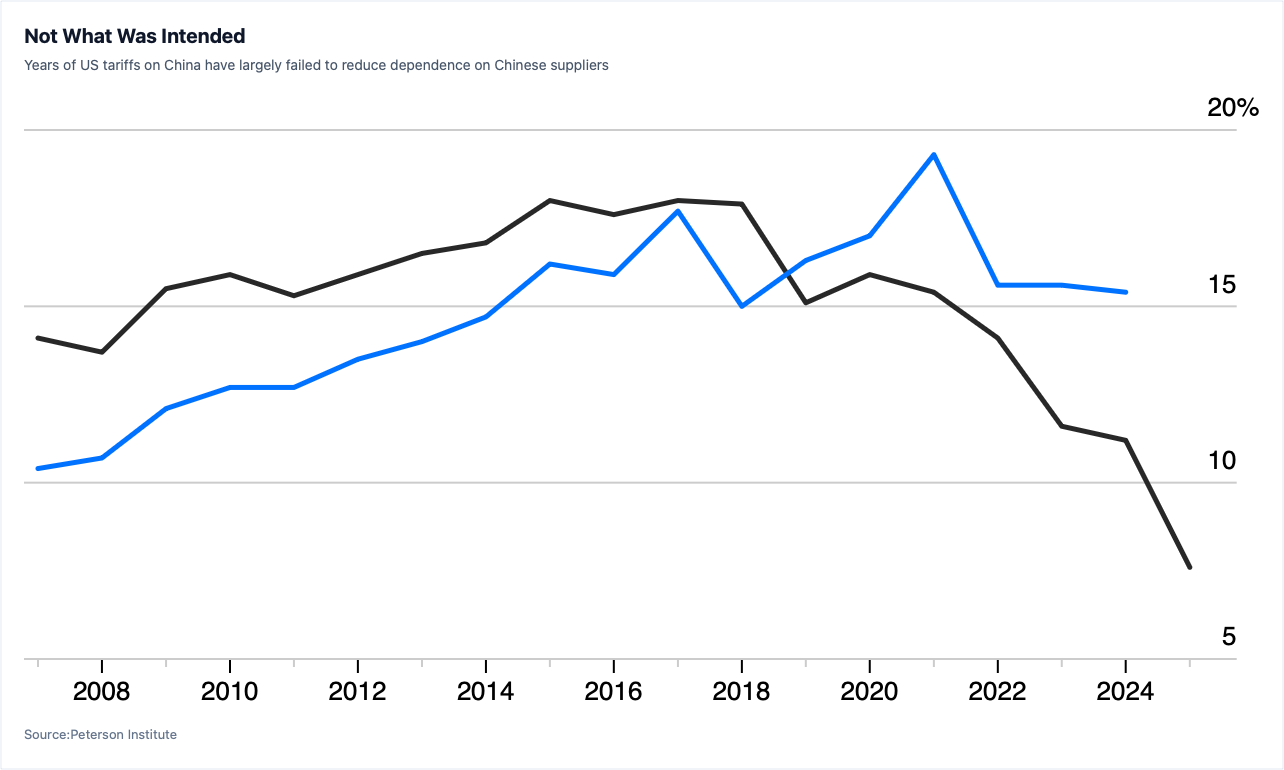
As Xi Jinping prepares for his first state visit to the United States since 2015, assessing the radical trade policies launched by the Trump administration in 2018 shows they have failed to meet their core objectives. Although Washington achieved superficial victories—such as reducing direct bilateral imports and implementing sweeping tariffs and chip export controls that nudged companies like Apple to shift assembly—Chinese content continues to enter the US in high volumes via third-country production and transshipment, leaving real American dependence largely intact.
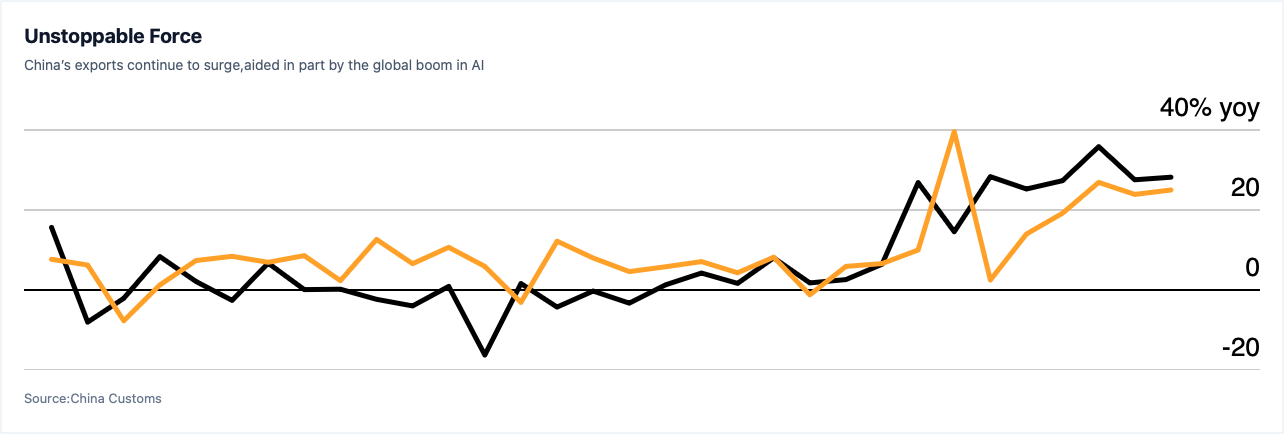
Globally, China's trade position has grown stronger rather than weaker, generating record-high goods trade surpluses through rapid export expansion in non-US markets and sectors like electric vehicles. Chinese firms countered US barriers not by retreating, but by investing in third-country hubs and routing intermediate goods around restrictions. Furthermore, Washington's confrontational approach hardened Beijing's state-led industrial strategy, prompting an aggressive push for domestic tech self-reliance that has effectively locked American chipmakers out of key segments in the Chinese market.
The analysis emphasizes that while China faces severe internal economic headwinds—such as demographic aging, structural debt, and capital misallocation—these factors remain outside Washington's control and cannot be resolved by foreign trade curbs. Ultimately, eight years of aggressive unilateral tariffs have imposed substantial costs on US businesses and consumers without shifting China's trajectory, suggesting that American policymakers should refocus on bolstering domestic competitiveness and working with international allies rather than trying to force changes on Beijing through ineffective coercion.