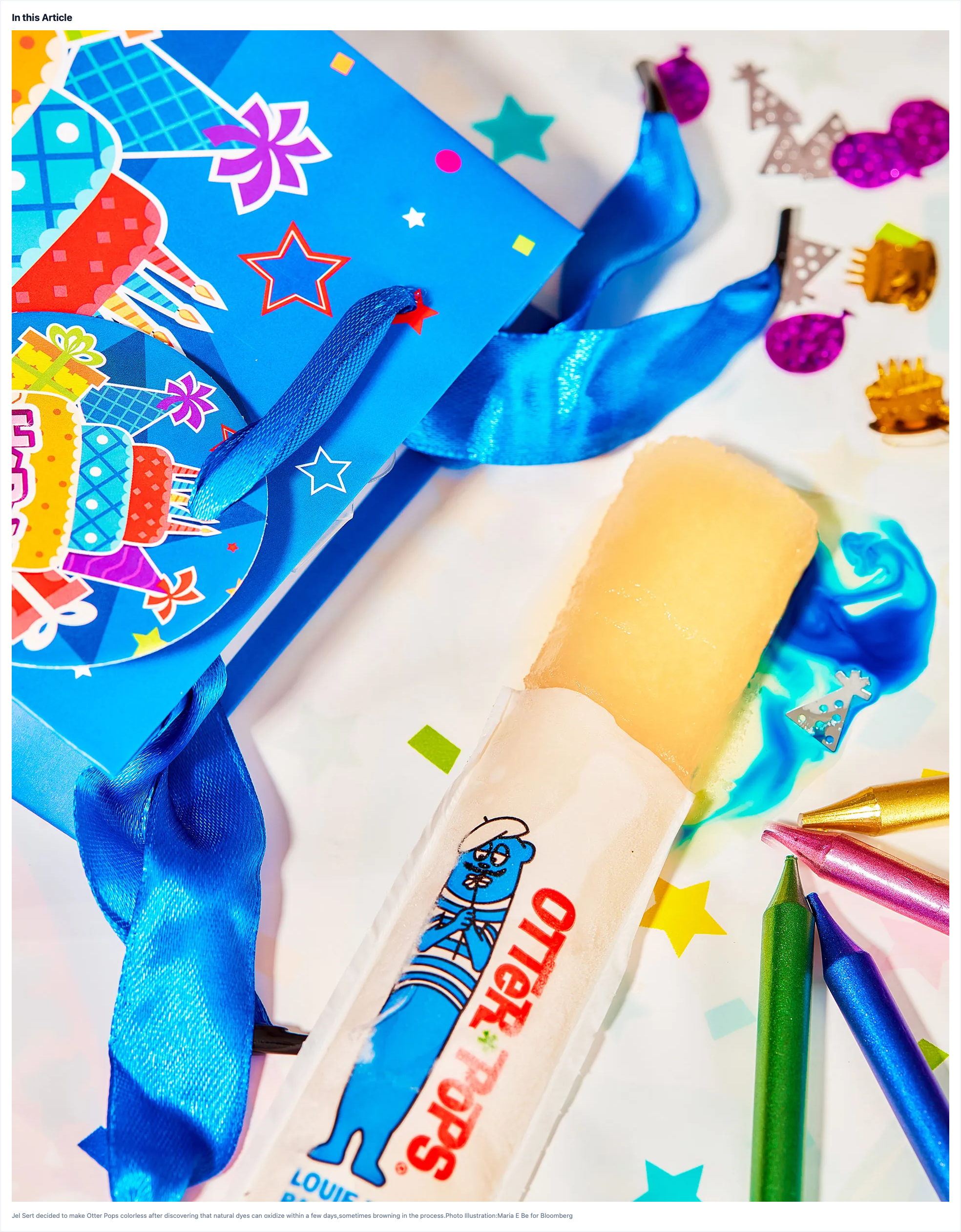
这种无色策略在多个知名品牌中已初见成效。例如,Jel Sert 决定将其著名的冰棒产品改为透明无色,并透过包装上的图案来标示口味;而卡夫亨氏与百事可乐也开始在部分饮料与零食中去除色素。市场测试显示,当食物的颜色被不透明包装遮挡时,多数消费者更在意的是产品的真实风味,而非外观颜色。
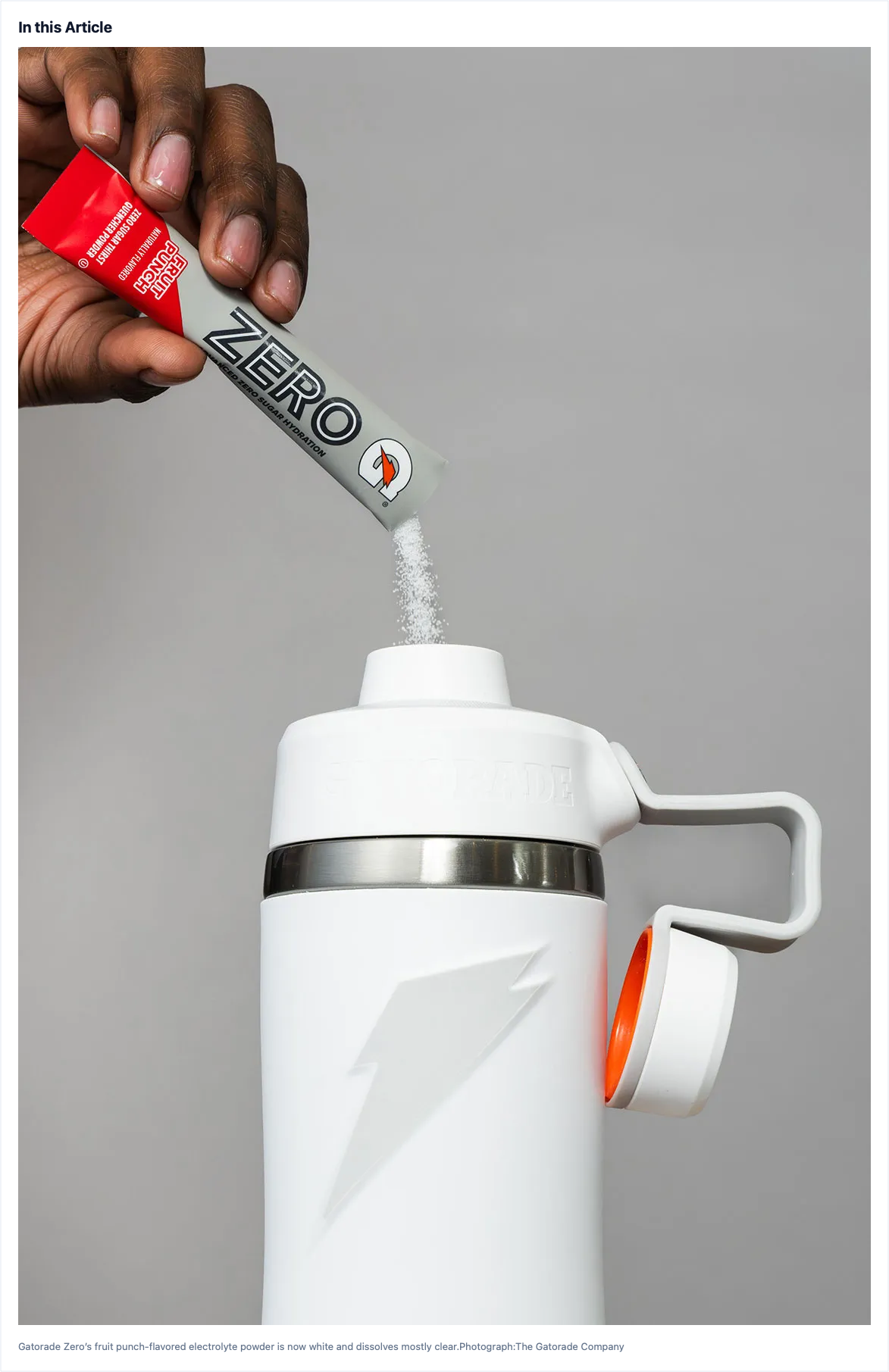
尽管去除颜色在成本与实作上具备优势,但对于某些高度依赖视觉吸引力的产品而言,这仍是一场赌注。像开特力这种以特定颜色闻名的运动饮料,依然选择投入大量时间研发稳定的天然色素。这显示出食品产业在迎合无添加趋势的同时,仍须谨慎平衡产品的视觉辨识度与消费者的期待。
As consumer demand for healthier foods grows and regulatory pressures mount, food manufacturers are facing the challenge of phasing out artificial dyes. While switching to natural colors is an option, these ingredients are not only expensive but also present numerous technical difficulties regarding shelf life and stability. Consequently, many companies are opting for a simpler route: removing color from their products entirely.
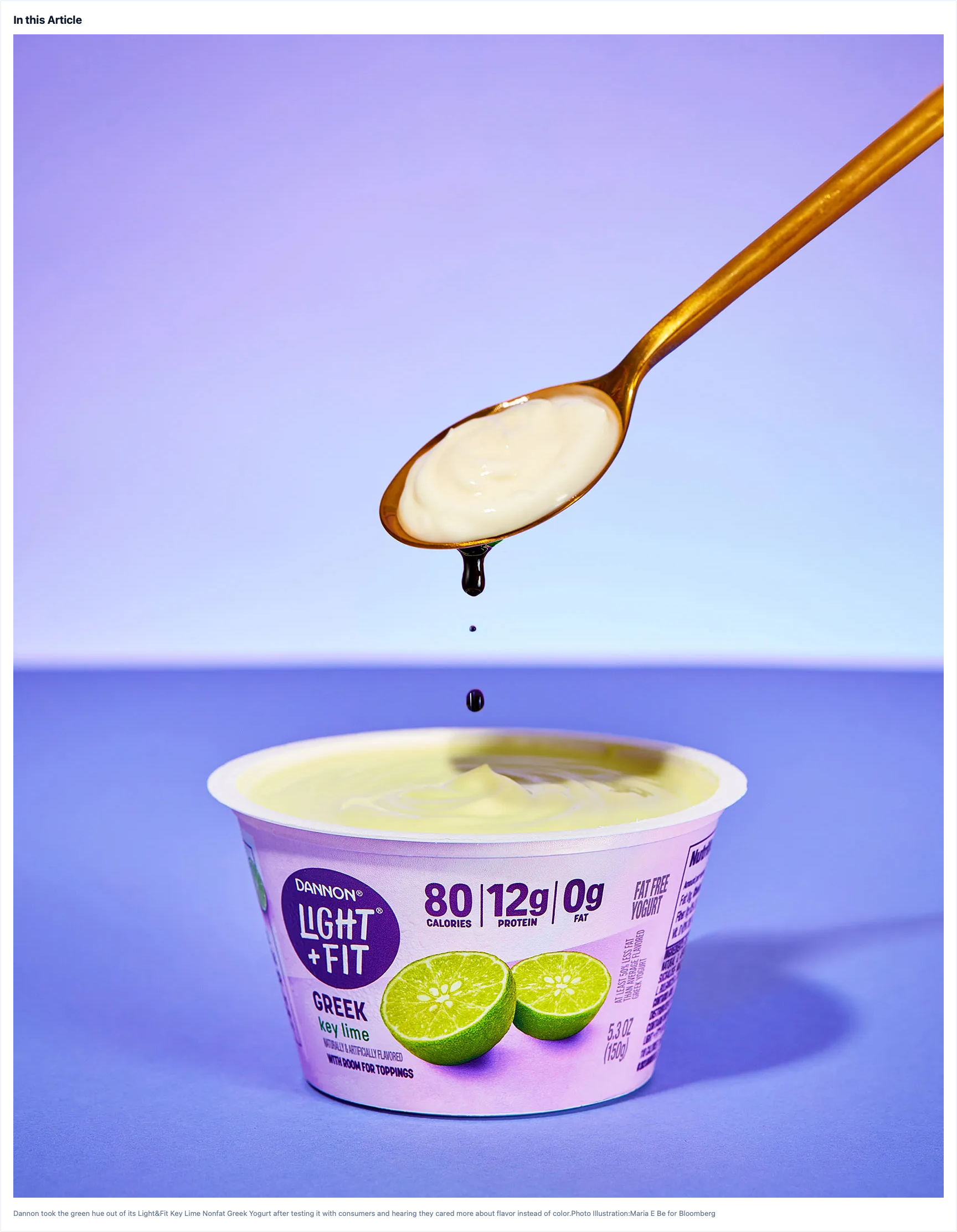
This colorless strategy has already shown promising results among several well-known brands. For instance, Jel Sert has decided to make its famous freezer pops completely clear, relying on packaging graphics to indicate flavor, while Kraft Heinz and PepsiCo are also stripping dyes from select beverages and snacks. Market testing reveals that when food color is hidden by opaque packaging, most consumers prioritize actual flavor over visual appearance.
Although removing color offers advantages in cost and implementation, it remains a gamble for products that rely heavily on visual appeal. Iconic beverages like Gatorade, which are famous for their specific hues, have chosen to invest significant time in developing stable natural dyes instead. This demonstrates that while catering to the clean-label trend, the food industry must carefully balance visual identity with consumer expectations.