医生常把维生素补充剂说成只是让你产生“昂贵尿液”的东西;2013年《内科医学年鉴》的一篇社论曾敦促人们停止在此上花钱,但证据更为细致。2001年,一项有3500多人、由美国国立卫生研究院支持的研究中,高剂量维生素C和E、锌和β-胡萝卜素使年龄相关性黄斑变性的患者向晚期进展的风险降低了25%,但随后在有吸烟史人群中,β-胡萝卜素又被发现会提高肺癌风险,因此被移除。
COSMOS试验(2015年至2020年,超过2.1万名年长美国成年人)在随访认知结果的子群中发现,每日多维生素使用可改善认知和情景记忆,2至3年治疗后的得分与年轻约2岁的人相当。尽管专家对这种适度效应仍持谨慎态度,但其方向与老化相关生物学一致:年龄增长会降低维生素B12吸收效率,并使皮肤合成维生素D的能力减弱。
COSMOS后续分析在3月9日报告,少于1000名受试者中,连续2年服用多维生素似乎轻微减缓了通过DNA甲基化估计的表观遗传衰老速度,仅约几个月,且目前仍不清楚这种变化是否会降低疾病风险或延长寿命。数据还支持一个可行机制:通过纠正“亚临床”缺乏并与氧化应激和炎症标志物相关;这也提示限制饮食模式的儿童以及有ADHD或情绪调节问题的人可能受益,而健康年轻成人的证据有限;个体差异以及RDA仅针对避免已知缺乏病而非一生脑健康最优化这一点,仍是重要保留。
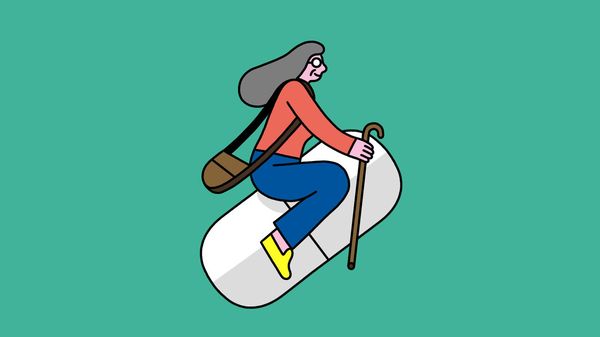
Doctors are often told that vitamin supplements are just making “expensive urine,” and a 2013 editorial in the Annals of Internal Medicine urged people to stop spending on them, but the evidence is more nuanced. In a 2001 NIH-backed study of more than 3,500 patients with age-related macular degeneration, high-dose vitamin C, vitamin E, zinc, and beta-carotene reduced progression to advanced disease by 25%, although beta-carotene was later removed after being linked to increased lung cancer risk in people with smoking history.
In the COSMOS trial of over 21,000 older Americans (2015–2020), follow-up subsets showed that daily multivitamin use improved cognition and episodic memory, with 2–3 years of treatment giving scores similar to those of people about two years younger. Experts remain cautious about this modest effect, but it is biologically plausible because aging reduces B12 absorption and lowers skin synthesis of vitamin D.
A later COSMOS analysis reported on March 9 that in fewer than 1,000 participants, two years of multivitamin use appeared to slightly slow methylation-based epigenetic aging by only a few months, and it is still unknown whether this lowers disease risk or extends lifespan. Possible benefits may come from correcting subclinical deficiencies tied to oxidative stress and inflammation markers, with potential relevance for children with restrictive eating and those with ADHD or emotion-regulation issues, while evidence for healthy young adults is limited and individual variability plus RDAs aimed only at preventing known deficiency diseases, not lifelong brain optimization, remain key caveats.
Source: Should you take multivitamins?
Subtitle: Research shows that some people could benefit
Dateline: 4月 09, 2026 03:38 上午