在恰蒂斯加尔邦,围绕基督教葬礼反复出现挖坟、阻挠家属做末仪、甚至录像曝光的冲突,显示反“改宗”运动已从观念对抗升级为实地暴力。七个基督徒家庭在巴代特瓦达在“ghar wapsi”(回归)框架下“回归”印度教,村庄层面的纠纷与教堂损坏、点燃住宅交织发生。 “ghar wapsi”把改宗描绘为恢复“真正印度身份”的动作,攻击目标通常是伊斯兰和基督教,同时以“祖辈本是印度教”的叙事挑战个体的死亡后宗教实践与族群习俗。 这类事件并非孤立,视频材料显示了多个地点的拉扯:既有示威阻止埋葬,也有警方代为带走遗体,这种操作使“最后安葬”的基本宗教权利被拖入公共冲突。
2025年3月,恰蒂斯加尔邦通过了印度最严的反改宗法之一,马哈拉施特拉邦在上月先行,叠加后使有此类法律的邦数增至28个中的14个,正好是50%。这些由自2017年起由印度人民党执政州不断推动的法规,强化了政府和警察介入,广义化“利诱”定罪范围,并设置了数月通知、公开登记、第三方异议触发警方调查等程序。 在这些法案下,“更好生活方式”可被认定为诱导信仰改变,若定性为大规模或强迫改宗,最高可判终身监禁并处以250万卢比(约2.6万美元)罚款。
官方叙事称此类规定在保护弱势群体与防范“爱情圣战式”婚姻改宗,但受害者与倡导者都认为其实质是压缩宗教自由。马哈拉施特拉法令把跨宗教婚姻列为非法改宗的可能通道,允许第三方投诉,并规定跨信仰子女随母亲宗教,这显著提高了家庭领域的司法化风险。最高法院正审理其与隐私、良心自由是否冲突,当前法治现实是:覆盖14邦的扩张趋势已明显压缩个体信仰选择空间。
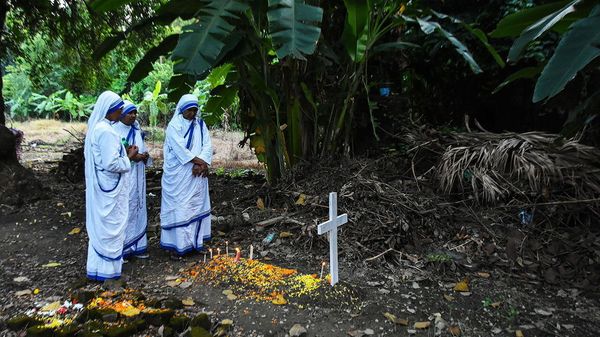
In Chhattisgarh, repeated exhumations and clashes over Christian funerals show anti-conversion campaigns moving from rhetoric to enforcement: videos show corpses being dug up and families obstructed from performing last rites, and at Badetevda seven Christian families have already “returned” under the ghar wapsi narrative. The campaign frames conversion as restoring a supposedly original Hindu identity, and local protests often include vandalizing prayer halls and burning homes.
In March, Chhattisgarh passed one of India’s toughest new anti-conversion laws, and Maharashtra had done so the previous month, bringing the total to 14 out of 28 states. Promoted largely by BJP-led state governments since 2017, these laws greatly expand government and police discretion through broad “allurement” definitions, long notice-and-registration requirements, third-party objections that trigger inquiries, and penalties including life imprisonment and fines up to 2,500,000 rupees (about $26,000) for alleged mass or forced conversion.
Authorities justify the laws as safeguards for vulnerable groups and as security measures against conversion through marriage, while critics say they curb basic liberties. Maharashtra’s law classifies unlawful conversion through marriage as a key target and can require children of interfaith marriages to follow the mother’s religion; with India’s Supreme Court reviewing privacy and freedom-of-conscience claims, the expansion to 50% of states now risks becoming a major rollback of religious freedom.
Source: India’s religious minorities face harsher anti-conversion laws
Subtitle: Exhumations fuel communal tensions
Dateline: 4月 09, 2026 03:38 上午 | Badetevda village, Chhattisgarh