波斯湾提供全球约五分之一的LNG。最后一批LNG货轮在美以袭击伊朗前一个月起运,随着这些货物在4月初到达,许多依赖LNG发电的能源进口国正仓促应对:富裕国家为拿到尽可能多的LNG抬高出价,而较贫困国家已停课或要求企业缩短工作周。与此同时,日本和韩国恢复了旧煤电厂,孟加拉从印尼和南非增加煤炭进口,并从印度购买更多煤电,澳大利亚煤炭基准价自2月底以来上涨了25%。
油价也在上升,约六分之一的全球原油产量受霍尔木兹海峡阻塞影响,较战前高50%,LNG价格几乎翻倍;而在2022年俄罗斯全面入侵乌克兰后的首轮天然气危机中,澳大利亚煤炭基准价曾飙升至2.5倍。相比之下,煤炭市场结构更“钝化”:仅17%煤炭跨国交易,而约20%的天然气和几乎全部LNG都跨国交易,2022年欧洲大量减少俄罗斯天然气(管道)和煤炭(铁路)进口后,因欧洲国内煤供应已大幅退出、俄罗斯煤炭又难以东运,全球第三大煤炭出口国供给下降导致价格急速上扬。
这次冲击主要落在亚洲,但中国和印度仍保持较大煤炭开采和消耗能力,可在数月内增产并快速启用因向更洁净天然气与可再生能源过渡而闲置的煤电机组。若危机拖长,亚洲大进口国正逼近欧洲四年前的局面:日本、韩国、台湾和菲律宾(3月24日宣布更多依赖煤电)都已加速转向煤,澳大利亚供亚洲的煤价自战争开始后涨幅是欧洲的3倍、美国的5倍;若波斯湾LNG不能尽快恢复,价格仍可能普遍上升,而全球可交易供应已紧张、印尼仍按配额控产(但可能放松),尽管长期仍应回到更廉价且更清洁的方案。
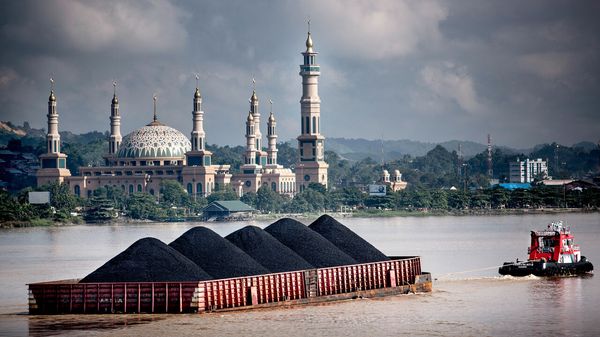
The Gulf supplies roughly one-fifth of global LNG output, and its last cargoes sailed a month before the U.S.-Israel attacks on Iran; as they arrive in early April, LNG-importing countries are scrambling, with wealthier states bidding up all available cargoes while poorer states are cutting school days or shortening workweeks. At the same time, Japan and South Korea have reopened older coal plants, Bangladesh is importing more coal from Indonesia and South Africa and more coal-based power from India, and the Australia benchmark has risen 25% since late February, showing a rapid shift back to coal.
Oil is also constrained, with about one-sixth of global output stranded beyond Hormuz, making oil 50% more expensive than before the war, while LNG is nearly double; during the first gas shock in early 2022 after Russia’s full-scale invasion of Ukraine, the Australian coal benchmark rose 2.5 times. But the coal market’s structure is less exposed globally: only 17% of coal is traded across borders versus about 20% of gas and nearly all LNG, and in Europe in 2022, sharp cuts to Russian gas (pipeline) and coal (rail) imports, combined with little domestic coal fallback and weak eastbound rail diversion of Russian coal, pushed global supply down and sent prices sharply higher.
This crisis is now concentrated in Asia, yet China and India still mine and burn large amounts of coal, so output can be raised within months and idle coal plants can be brought back quickly as systems continue moving away from gas toward cleaner options. If the disruption continues, major importers in Asia—Japan, South Korea, Taiwan, and the Philippines, which said on March 24 it will rely more heavily on coal—start to resemble Europe’s 2022 predicament; Australian coal prices to Asia have risen three times faster than in Europe and five times faster than in America since the war began, and if Gulf LNG does not resume soon, further worldwide increases are likely as Argus notes already-tight global traded supply, Indonesia’s quota regime, and the expected but delayed rebound to cleaner energy.
Source: Coal is back in fashio
Subtitle: An LNG crunch is good news for the world’s dirtiest fuel
Dateline: 4月 01, 2026 05:53 上午