史蒂文·施在12月拿到位于上海北部、价值100万美元的新公寓钥匙后发现多处明显缺陷,包括墙体歪斜、阳台瓷砖安装不当,以及插座未通电但浴室镜子带电导致触电;1月他与数百名邻居联合维权,约200名业主在当地政府办公室外聚集数小时。
全国层面的质量下滑与资金收紧相互叠加:2016年实施的每平方米限价促使开发商压缩成本,2020年中央限制融资引发危机,投资、开工、销售与房价同步下挫;2025年开发商筹资总额(含债券融资)仅为2021年的一半,住房在全国固定资产投资中的占比从2020年的19%萎缩至11%。
资金紧张与地方按期交付压力推动赶工与进一步偷工减料,部分业主不得不自费请第三方验房,施已发现80处问题,邻居有的需修复200多项;购房偏好也随之转向二手房,去年新房销售占比不足四分之一,低于2022年的一半,且不少人偏好2005年至2016年间建成的住房以规避过旧或限价后质量风险。
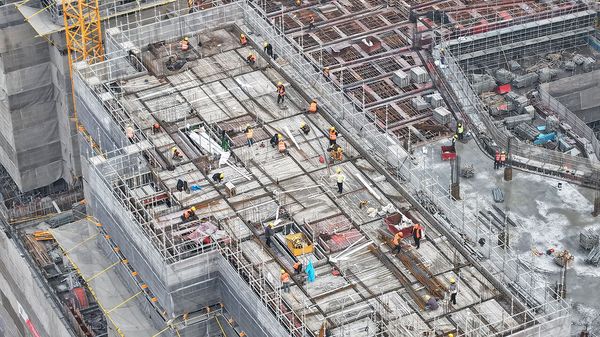
When Steven Shi received the keys to his $1m flat in northern Shanghai in December, he found crooked walls, badly installed balcony tiles, and even electrical faults where outlets were dead but a bathroom mirror was live and shocking; in January he and hundreds of neighbors demanded fixes, with about 200 homeowners gathering for hours outside a local government office.
Nationally, quality problems have compounded with a funding squeeze: a per-square-metre price cap introduced in 2016 encouraged corner-cutting, and 2020 restrictions on developer financing triggered a crisis in which investment, construction, sales, and prices fell; by 2025 developers’ funds raised (including bond financing) were half of 2021’s level, and housing’s share of national fixed-asset investment shrank to 11% from 19% in 2020.
Tight budgets and local pressure to hand over keys on schedule have intensified rushed, lower-cost building, pushing buyers to pay for third-party inspections, with Shi finding 80 defects and some neighbors needing more than 200 fixes; confidence has shifted toward existing homes, with less than a quarter of sales last year being new homes, down from half in 2022, and many preferring flats built between 2005 and 2016 to avoid either dilapidation or post-cap quality risks.
Source: Chinese homebuyers are enraged by shoddy building standards
Subtitle: Crooked walls and broken promises are harming China’s property market
Dateline: 2月 12, 2026 05:50 上午 | SHANGHAI