缺乏早期的财务教育与错失投资良机是另一个常见的遗憾。有年轻的生技公司执行长感叹,求学时期未能及早学习投资与财富创造的知识;也有旅游业执行长对于当年未能在特斯拉首次公开募股时买进股票而扼腕,错失了获得巨额回报的机会。这显示出掌握理财知识与在可承受范围内进行计算过的风险投资,对于个人长期财务安全至关重要。
过度保守与错失拓展视野的机会同样令人惋惜。部分执行长后悔在职涯早期因为过于追求短期的财务安全,而放弃了出国工作或求学的机会,限制了他们接触新市场与多元观点的可能性;也有执行长因为误判经济情势而做出错误的房地产决策。这些经验告诉我们,优先考虑人生体验与个人成长,往往比单纯追求银行存款数字更有价值。
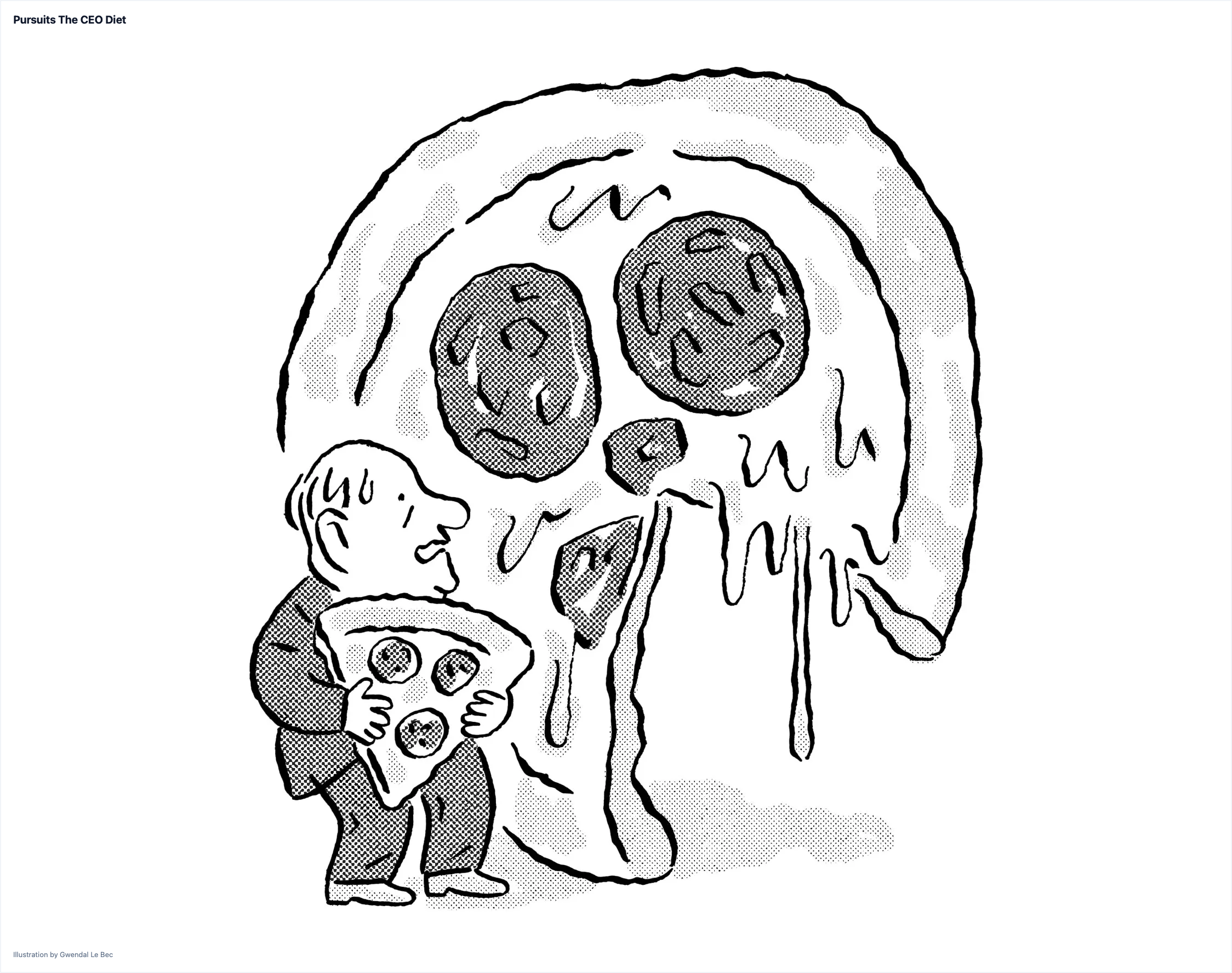

Many CEOs, when reflecting on their past, often regret scaling their businesses too quickly. For instance, the co-founder of California Pizza Kitchen and an executive at Douglas Elliman noted that expanding before establishing robust internal infrastructure, management systems, and leadership teams can lead to a loss of trust and forced layoffs, potentially costing founders control over their company's future. This serves as a reminder that leaders must carefully consider the consequences of immediate opportunities and grow methodically.
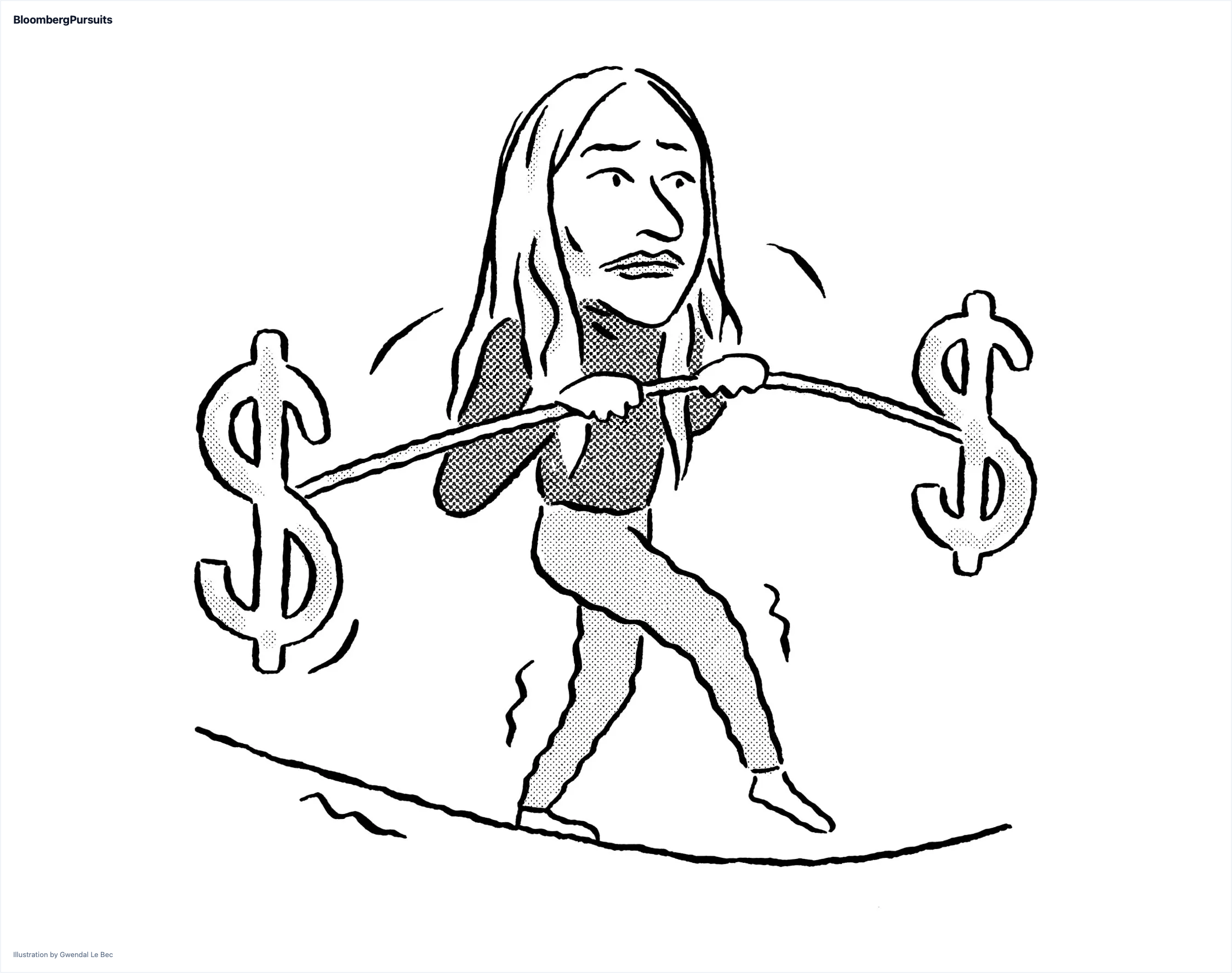
A lack of early financial education and missed investment opportunities represent another common regret. A young biotech CEO lamented not learning about investments and wealth creation during her school years, while a travel firm CEO deeply regretted passing on buying Tesla stock during its IPO, missing out on massive returns. These examples highlight that acquiring financial literacy and taking calculated risks within affordable limits are crucial for long-term personal financial security.
Being overly conservative and missing chances to broaden one's horizons are equally regrettable. Some executives regret prioritizing short-term financial security early in their careers and passing up opportunities to work or study abroad, which limited their exposure to new markets and diverse perspectives; another CEO made a costly real estate error due to misjudging economic trends. These experiences demonstrate that prioritizing life experiences and personal growth is often more valuable than merely focusing on bank account balances.