然而,这股奢侈品消费热潮背后却隐藏著日益严重的社会贫富差距问题。虽然部分年轻人因资产增值而变得富有,但那些缺乏投资管道或资金的低薪阶级却只能在通货膨胀和生活成本攀升中苦苦挣扎。数据显示,在三十岁以下的年轻族群中,前百分之二十与后百分之二十的财富差距在过去十年内急遽扩大,加深了世代内的经济两极化。(关键数字:30)
此外,这种挥霍行为在某种程度上也反映了年轻世代潜在的经济焦虑。面对不断飙升的房价与整体总体经济的不确定性,许多年轻人认为买房或成家等长远目标遥不可及,因此将购买奢侈品作为一种对未来无法掌控的补偿心态。专家警告,一旦股市崩盘,这些依赖纸上富贵的年轻人将面临极大的财务风险与困境。
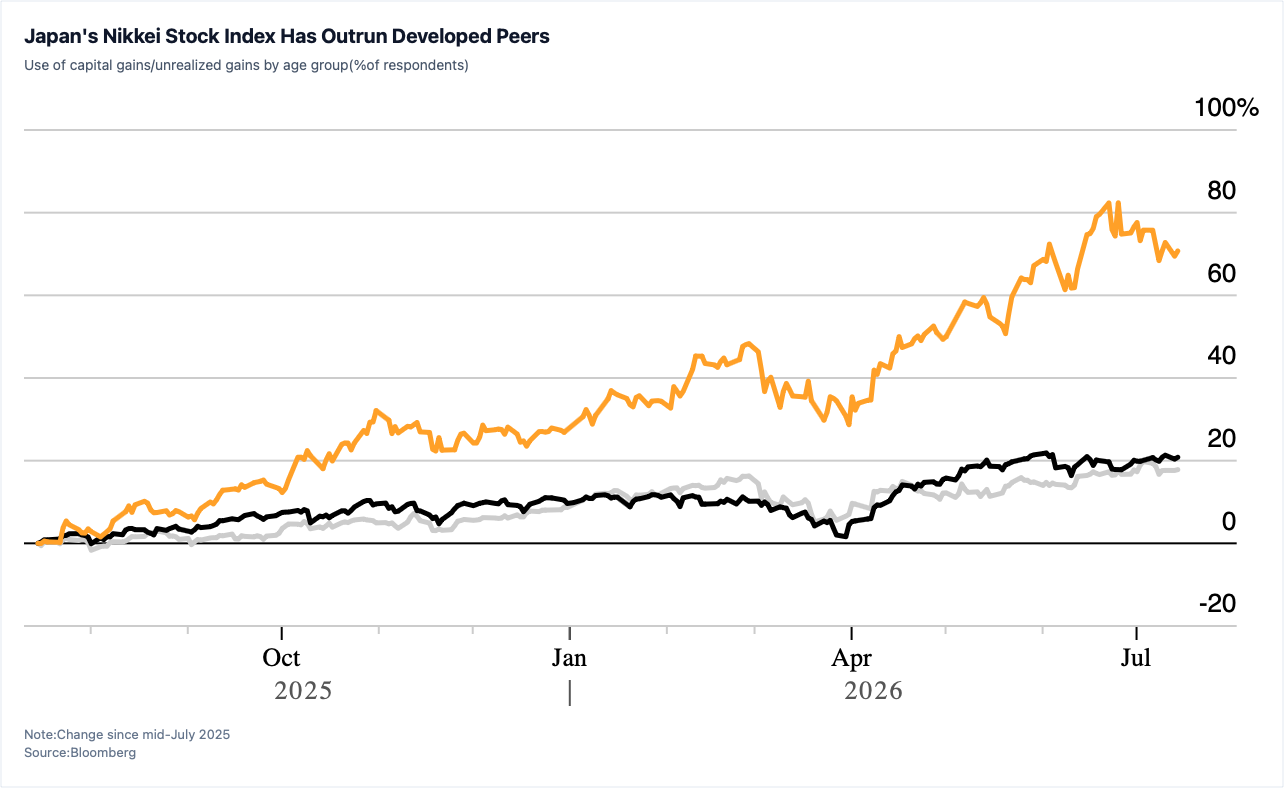
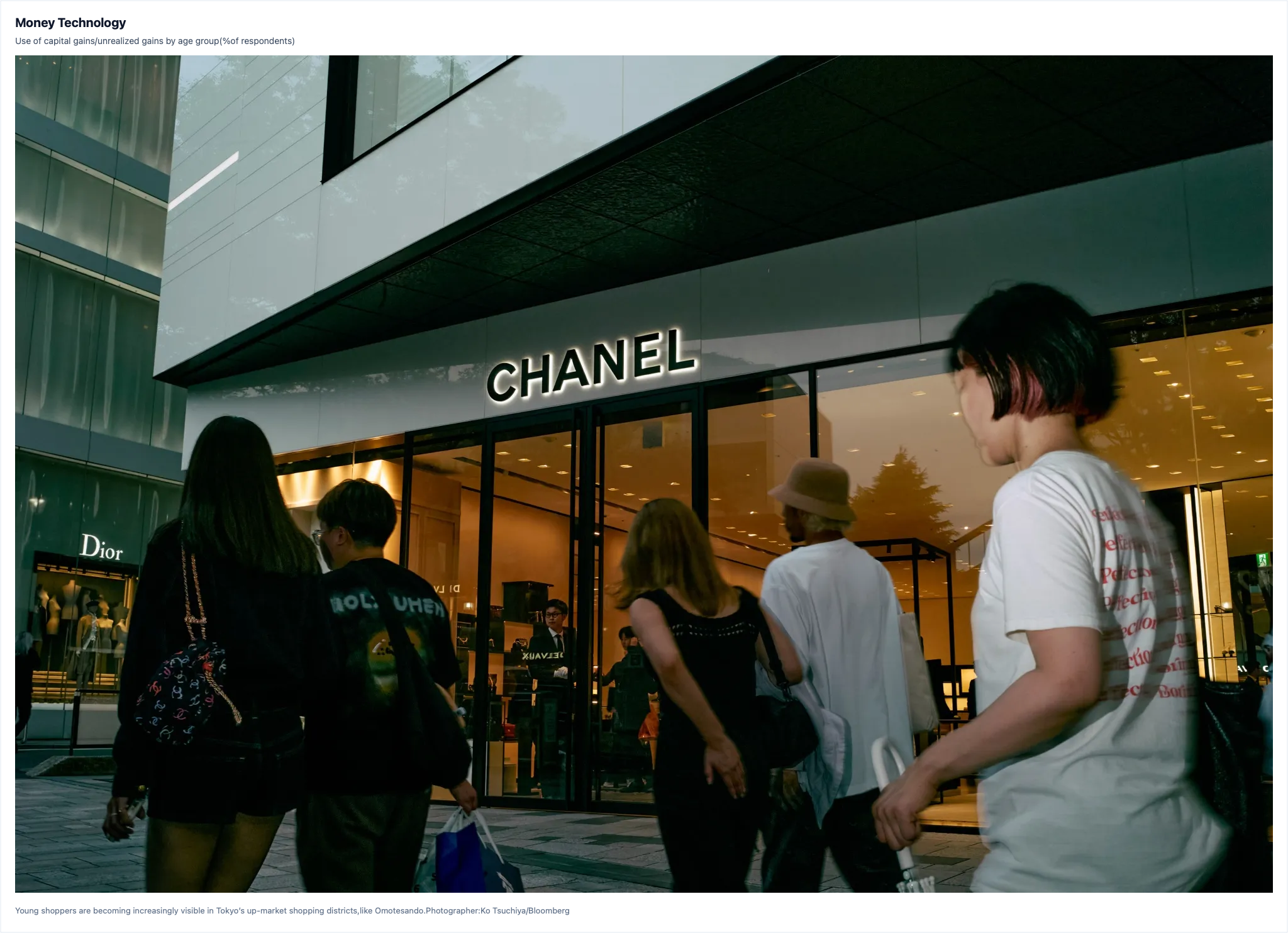
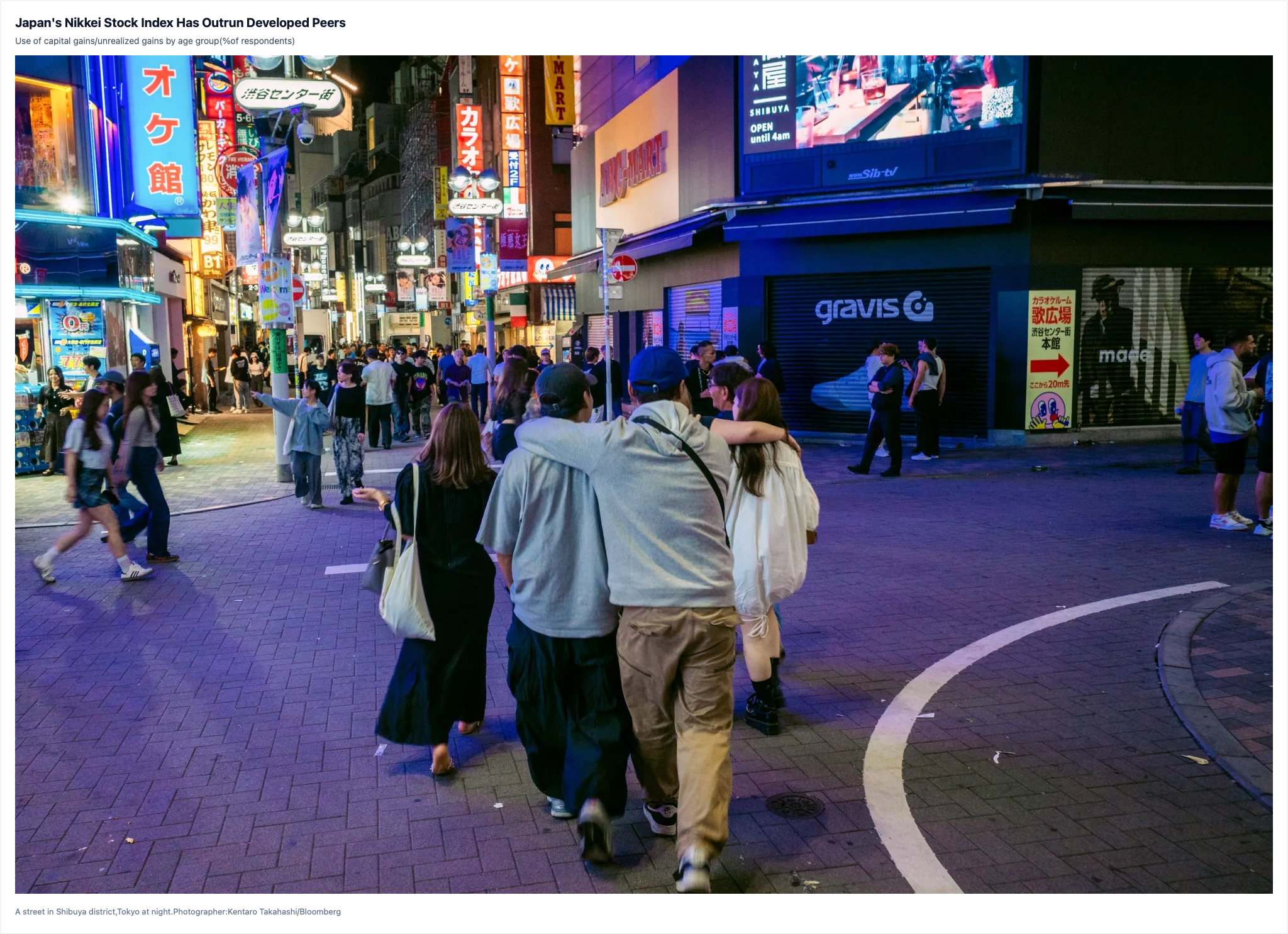
With the significant surge in the Nikkei 225 index, many young Japanese investors have reaped substantial unrealized gains in the stock market. Departing from the savings-focused habits of previous generations, these Generation Z individuals have begun funneling large amounts of money into luxury goods such as sports cars and high-end jewelry. The influence of social media has further fueled this trend of conspicuous consumption, with many young people seeking social validation by displaying designer brands.
However, this luxury spending boom masks a worsening issue of wealth inequality within society. While some young people have grown wealthy through asset appreciation, lower-paid workers lacking investment access or capital are left struggling against inflation and rising living costs. Data shows that among the under-30 demographic, the wealth gap between the top twenty percent and the bottom twenty percent has expanded dramatically over the past decade, deepening economic polarization within the generation.
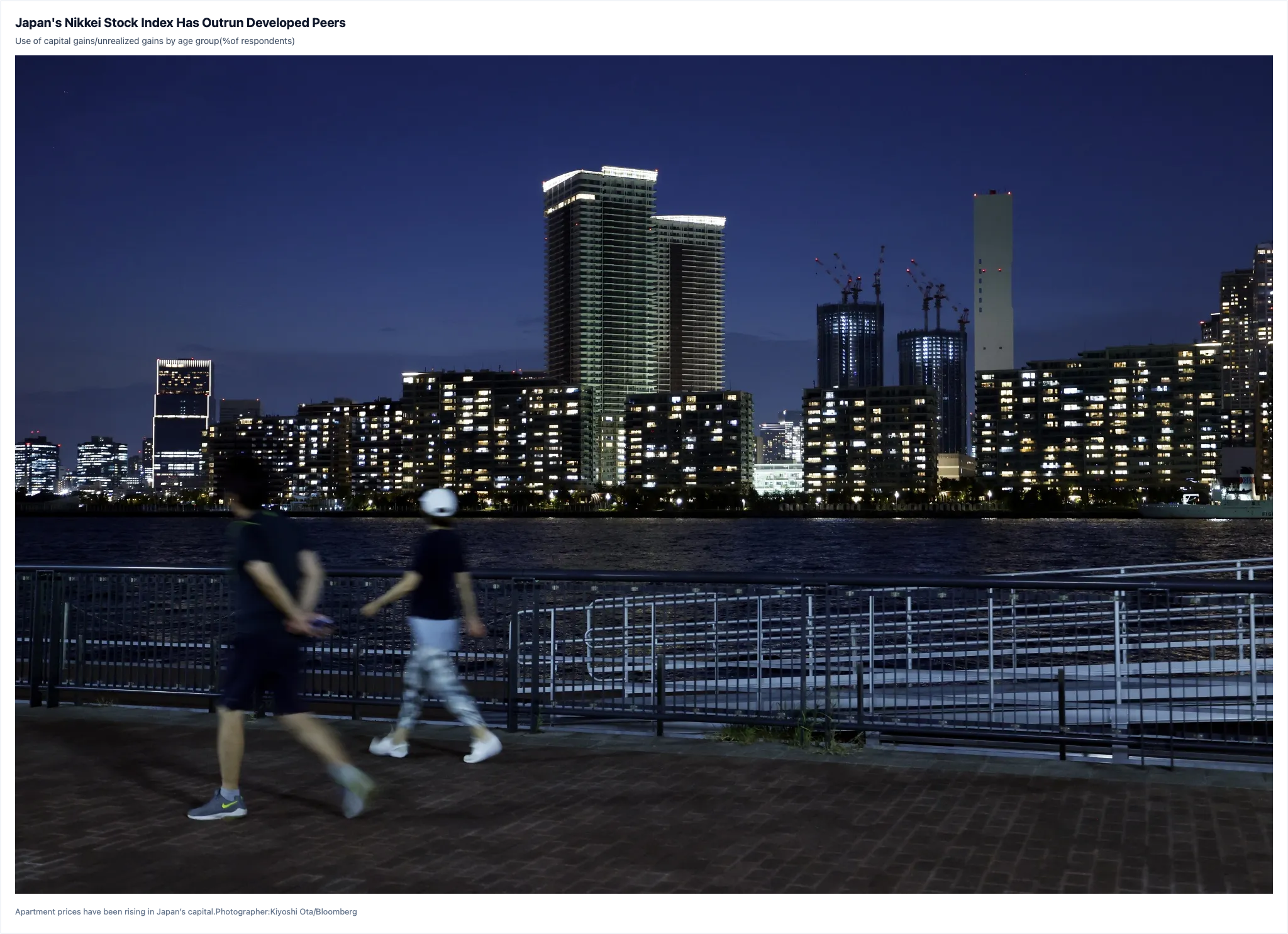
Furthermore, this lavish spending behavior reflects an underlying economic anxiety among the younger generation. Faced with soaring housing prices and overall macroeconomic uncertainty, many young people view long-term goals like buying a home or starting a family as unattainable, leading them to use luxury purchases as a psychological compensation for their lack of control over the future. Experts warn that if the stock market crashes, these young people relying on paper wealth will face severe financial risks and hardships.