霍尔木兹海峡的关闭迫使全球第六大石油生产国伊拉克在3月份被迫削减80%的产量后,为其每日400万桶的石油产量寻找新的出口路线。伊拉克的国家出口公司已签约三家公司,每月通过叙利亚境内长达860公里的公路将65万吨石油运往地中海沿岸。
尽管过去存在教派冲突,叙利亚新的逊尼派主导政府与伊拉克什叶派民兵仍优先考虑商业利益,十年来首次重新开放了阿尔-瓦利德边境通道。该卡车运输业务每天涉及一千多辆货车,为叙利亚带来估计每日100万至200万美元的过境收入,但仅占伊拉克战前出口量的约5%。
尽管基础设施挑战和巴尼亚斯港有限的储存能力限制了运力,但计划中耗资40亿美元的管道可能会使叙利亚成为战略能源枢纽。对于一个重建总成本预计至少需要2000亿美元的国家来说,这笔过境收入提供了至关重要的资金。
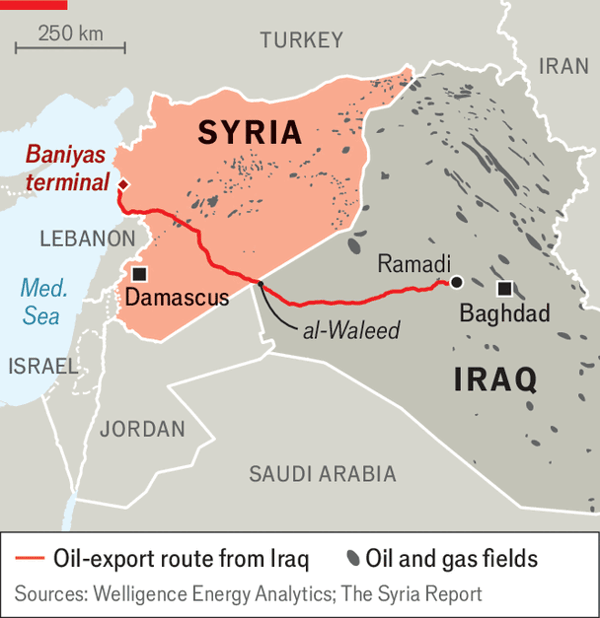
The closure of the Strait of Hormuz has forced Iraq, the world's sixth-largest oil producer, to seek new export routes for its 4 million barrels of daily production after being forced to slash output by 80% in March. Iraq's state export firm has contracted three companies to truck 650,000 tonnes of oil monthly along the 860km-long road through Syria to the Mediterranean coast.
Despite past sectarian conflicts, Syria's new Sunni-led government and Iraqi Shia militias have prioritized commercial interests, reopening the al-Waleed border crossing for the first time in a decade. The trucking operation involves a thousand-odd lorries daily, generating an estimated $1 million to $2 million in daily transit revenues for Syria while accounting for only about 5% of Iraq's pre-war exports.
Although infrastructure challenges and limited storage at the Baniyas terminal restrict capacity, a planned $4 billion pipeline could establish Syria as a strategic energy hub. This transit revenue provides crucial cash for a country whose overall reconstruction is projected to cost at least $200 billion.
Source: Syria is an unexpected beneficiary of the Gulf war
Subtitle: The revival of an old oil-export route from Iraq to the Mediterranean helps Syria’s new regime
Dateline: 6月 11, 2026 04:20 上午 | DAMASCUS AND HOMS