许多传统软体供应商转而采取激进的行销手段和表面上的改变,以显示他们在人工智慧时代的竞争力。这些策略包括在财报会议上使用人工智慧虚拟替身、隐藏具体产品的营收细节,以及将旗舰产品重新冠上「人工智慧」的标签,例如 Salesforce 的「Agentforce」。然而,投资者依然不买单,认为这些肤浅的更新并未能带来实质的营收增长以抵销核心业务的放缓。
由于表面功夫无法赢回投资者的信任,企业开始采取更极端的措施来释放稳定信号并拉抬股价。这不仅包括 Adobe 和 Workday 等公司出人意料的高层人事大地震,还包括实施大规模、甚至举债进行的股票回购计划,例如 Salesforce 创纪录的 250 亿美元回购案,凸显了企业为了制造市场信心而做出的强烈举措。
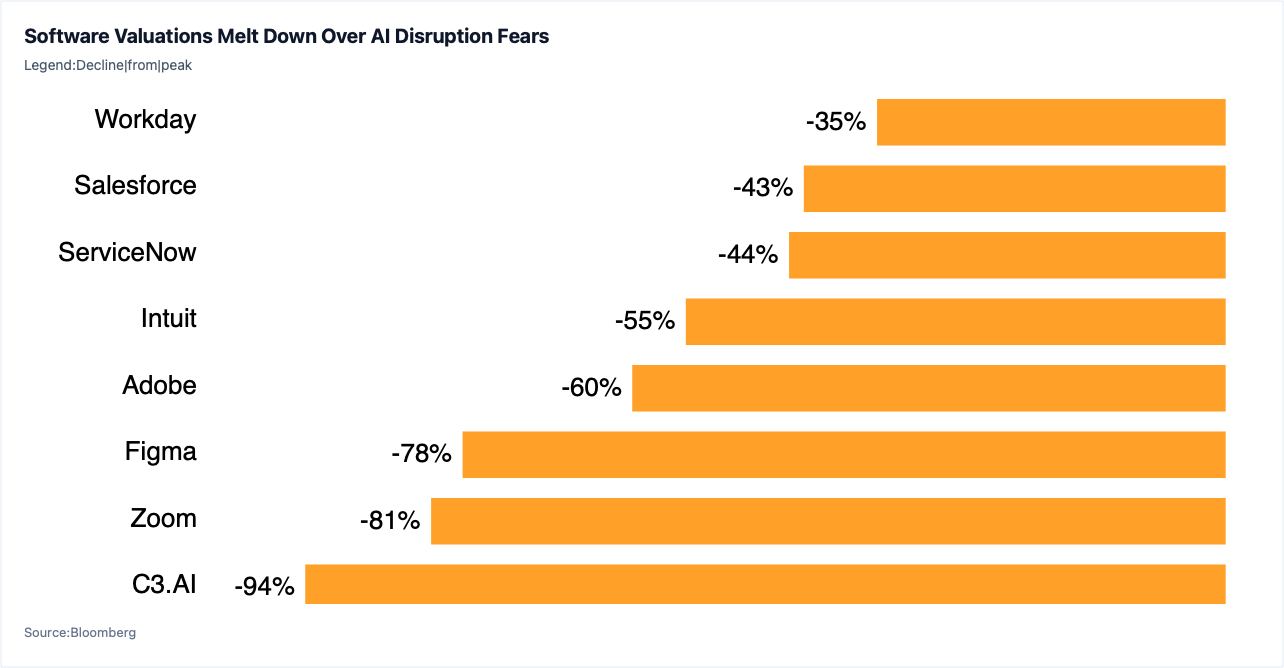
Software companies are experiencing a crisis of confidence on Wall Street, with valuations plummeting due to fears of artificial intelligence disruption in a phenomenon termed the SaaSpocalypse. In response, executives at companies like Figma, ServiceNow, and Intuit are employing defensive strategies, such as refusing stock awards or publicly committing to not sell their shares, in an attempt to reassure skeptical investors.
Many legacy software vendors have resorted to aggressive marketing and cosmetic changes to showcase their competitiveness in the AI era. These tactics include using AI avatars during earnings calls, obscuring specific product revenue details, and hastily rebranding flagship products with AI labels, such as Salesforce's Agentforce. However, investors remain largely unconvinced, believing these superficial updates fail to drive the actual revenue growth needed to offset slowing core businesses.
As cosmetic efforts fail to regain investor trust, companies are taking more extreme measures to signal stability and boost their stock prices. This includes unexpected leadership shake-ups at firms like Adobe and Workday, as well as executing massive, debt-fueled stock buyback programs, such as Salesforce's record-breaking $25 billion repurchase, highlighting the desperate push to manufacture market confidence. (Key numbers: 250)