俄罗斯的Shahed/Gerbera无人机攻势已成为以成本驱动的打击体系,而乌克兰的应对也日益转向经济性:本土研发的Sting拦截机约2,000美元(不到Merops价格的一半),而Skyfall的P1-SUN速度达350公里/小时,可匹配螺旋桨无人机。半自主设计降低了飞手负担,但指挥官强调拦截成本必须低于目标成本,因此单价与产能规模是决定性指标。
在1月(拦截无人机部署满一年后),乌克兰报告击落创纪录的1,704架Shahed,约等于发射总量的50%;其中约70%的击落由拦截无人机完成,剩余30%由战斗机、直升机和导弹完成。第412“Nemesis”旅贡献了约六分之一的总击落量,表明流程自动化与“初创式”迭代实质性提高了作战产出。
这些数据表明对抗进入快速适应周期:俄罗斯每隔几个月就调整无人机设计与战术,改变飞行高度、每几分钟加入机动,并在电子压制后测试替代导航链路。新威胁已包括400-500公里/小时的喷气式无人机、小规模蜂群运用,以及一种指数型成本-航程曲线:无人机每年可能在尺寸或价格上减半,或在航程上翻倍。
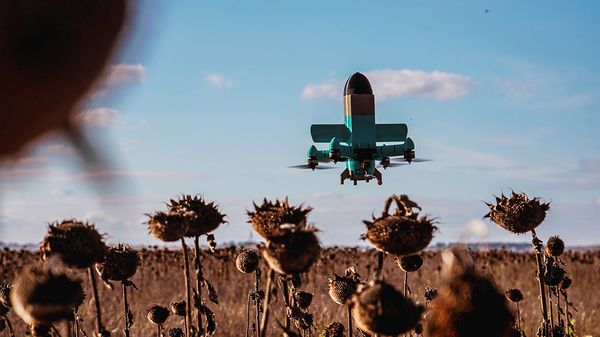
Russia’s Shahed/Gerbera drone campaign became a cost-driven strike system, and Ukraine’s response is now increasingly economic: the locally built Sting interceptor costs about $2,000 (less than half the Merops price), while Skyfall’s P1-SUN reaches 350 kph to match propeller drones. Semi-autonomous designs reduced pilot workload, but commanders stress that interception must stay cheaper than targets, making unit cost and production scale the decisive metrics.
In January, one year after interceptor deployment began, Ukraine reported a record 1,704 Shaheds destroyed, equal to about 50% of launched drones; roughly 70% of those kills came from interceptor drones, with the remaining 30% from fighters, helicopters, and missiles. The 412th “Nemesis” brigade delivered about one-sixth of all shootdowns, indicating that process automation and startup-style iteration materially increased combat output.
The data show a fast adaptation cycle: Russia changes drone designs and tactics every few months, shifting altitude, adding maneuvers every couple of minutes, and testing alternative navigation links after electronic disruption. Emerging threats already include 400-500 kph jet-powered drones, swarm use, and an exponential cost-range curve in which drones can halve in size or price, or double in range, each year.
Source: Ukraine is scaling up interceptor drones
Subtitle: Machines that kill are the next frontier
Dateline: 2月 26, 2026 04:26 上午 | Kyiv