在瑞典和挪威,现金正在消失:瑞典人用数字支付完成90%的购买,而在任何一个月里只有一半人会使用现金;像Swish这样的应用甚至取代了教堂蜡烛捐款箱。与日本以纸币和硬币形式持有相当于GDP的22%相比,瑞典的这一比例低于1%。
在欧元区,现金用于面对面交易的比例从2016年的79%降至2024年的52%,而且因大额支付更偏好刷卡,现金在交易金额中的占比更低;2024年全欧洲有12%的企业明确拒收现金,高于三年前的4%,荷兰甚至超过三分之一的电影院不再接受纸币和硬币。欧洲人均ATM数量只有美国的一半且仍在下降,且欧洲央行在2019年停止发行新的500欧元(584美元)纸币。
这种趋势正引发回摆:2021年欧盟最高法院裁定纸币原则上应被接受,12月欧盟27个成员国的部长重申要禁止商家拒收纸币和硬币,即使商家仍可表示更偏好数字支付。推动因素包括数字厌恶者仍占相当比例,以及韧性担忧——西班牙去年春季的全国性停电让人无法购买必需品——因此欧盟如今建议储备足够使用一周的现金(瑞典也长期给出同样建议)。
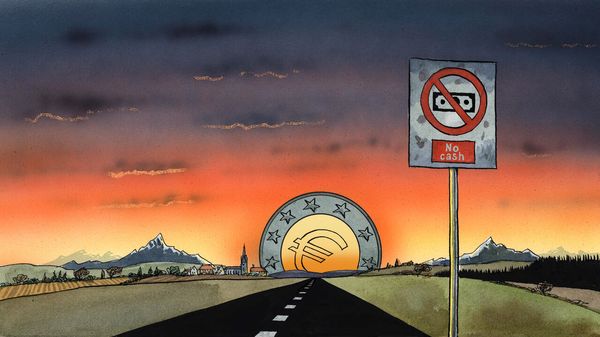
Scandinavia is leading in cashless transactions with Sweden seeing 90% of purchases made digitally, and cash circulating at less than 1% of GDP, compared to Japan's 22%. In the euro area, cash transactions dropped from 79% in 2016 to 52% in 2024, with more businesses refusing cash, indicating a shift in payment methods. There are concerns over reliance on digital systems after policy backtracks prompted EU discussions on maintaining cash accessibility.
In Sweden and Norway, cash is disappearing: Swedes use digital payments for 90% of purchases, and only half use cash in any given month; apps such as Swish have even replaced church candle-donation boxes. Compared with Japan holding paper and metal yen equal to 22% of GDP, Sweden’s figure is under 1%.
Across the euro area, cash for in-person transactions fell from 79% in 2016 to 52% in 2024, and it makes up an even smaller share of value because cards are preferred for larger payments; in 2024, 12% of European businesses flatly refused cash, up from 4% three years earlier, and over one in three cinemas in the Netherlands no longer accept notes and coins. Europe has half as many ATMs per person as America and the number is falling, and the ECB stopped issuing new €500 ($584) notes in 2019.
Source: Why Europe is rediscovering the virtues of cash
Subtitle: In a world of payment apps and digital euros, the coin is staging a modest comeback
Dateline: 1月 08, 2026 05:48 上午