中国对伊朗危机的反应显示出冷静而功利的算计,而不是战略震惊。其官方媒体在阿里·哈梅内伊于周末遇袭身亡后迅速报道了基本事实,但在仅仅不到两个月前的伊朗大规模抗议中却在前两周保持沉默,这表明北京更害怕民众起义推翻专制政权,而不是一次定点空袭。
把中国描绘成主要输家的说法夸大了伊朗对北京的重要性。伊朗供应中国超过10%的原油进口,而委内瑞拉不到4%;但伊朗对中国的依赖要深得多,因为中国买家占其原油出口的80%以上,而中国自身已经实现供应来源多元化,并且由于电动车繁荣,其石油需求似乎正在见顶,尽管中国仍是世界最大的原油进口国。
更广泛的趋势是,中国在中东拥有巨大的经济利益,但政治影响力有限,而且其最紧密的地区关系主要是与美国的伙伴和盟友建立的。即使伊朗政权更迭,北京也可能适应,而且如果美国最终解除制裁并启动类似伊拉克的重建,中国企业可能再次受益,因此短期轰炸甚至可能转化为长期经济机会。
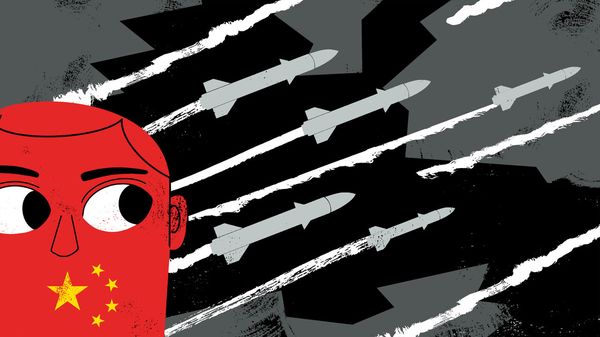
China’s reaction to the Iran crisis suggests cold, pragmatic calculation rather than strategic shock. Its state media reported basic facts promptly after Ali Khamenei was killed in weekend strikes, yet stayed silent for the first two weeks of Iran’s mass protests less than two months earlier, implying Beijing fears popular uprisings against autocracy more than a decapitation strike.
Claims that China is a major loser overstate Iran’s importance to Beijing. Iran supplies more than 10% of China’s crude imports, versus less than 4% from Venezuela; but Iran depends far more heavily on China, because Chinese buyers take more than 80% of its crude exports, while China itself has diversified suppliers and appears to be nearing peak oil demand because of an electric-vehicle boom, even though it remains the world’s largest crude importer.
The broader pattern is that China has vast economic interests in the Middle East but limited political leverage, and its closest regional ties are mostly with American partners and allies. Even if Iran’s regime changes, Beijing may adapt, and if America eventually lifts sanctions and reconstruction begins on an Iraq-like model, Chinese firms could again benefit, meaning short-term bombing could still become a long-term economic opportunity.
Source: China’s ice-cold calculus over Ira
Subtitle: In the Middle East, it is a political weakling but an economic force
Dateline: 3月 05, 2026 04:49 上午