拉加德表示,与伊朗战争相关的风险被低估,按国际能源署标准,这场能源冲击可能是最大的,任何快速恢复正常的预期都显得“过于乐观”。欧央行的技术评估显示损害已十分严重:海湾能源供给不太可能在几个月内恢复,扰动可能持续多年,全部严重程度也许只能在“滞后性评估”中才完全显现。
在政策上,她说欧央行在货币政策应对方面“已做好准备”,但财政空间远不如2022-23年宽松;当年各国为缓冲俄罗斯入侵乌克兰带来的能源成本冲击已支出超过GDP的2.5%。她主张当下任何支持都应“有针对性、定向且临时”,避免“大而化之”的补贴,并优先照顾低收入家庭。
她对美国领导下再次形成像2007-09年那样的全球协调持怀疑态度,并警告出现类似20世纪20年代的内向倾向,但仍称国际货币基金组织、世界银行和世界贸易组织等制度可以被修复。她肯定欧洲在维护和平与推进一体化上的成果,但指出拟议的“第28种制度”缺乏雄心;若资本市场更深整合、真正的单一市场、数字欧元及在再分配和共同价值观方面的政治修复不能同步推进,民粹主义可能压倒欧洲的经济议程。
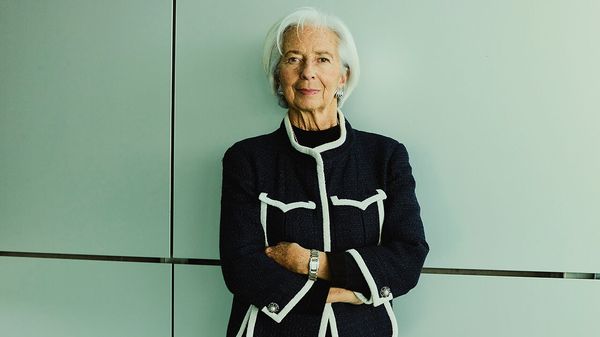
Lagarde said the risks tied to the Iran war are underestimated and the energy shock, in International Energy Agency terms, could be the largest, while expectations of a quick return to normal appear “too optimistic.” ECB technical analysis shows damage is already substantial: Gulf energy supply is unlikely to be restored within months, disruptions may stretch for years, and the full severity may emerge only through delayed assessment.
On policy, she said the ECB is well positioned for monetary response but faces much tighter fiscal headroom than in 2022-23, when economies spent above 2.5% of GDP to shield households from the energy-cost effects of Russia’s invasion of Ukraine. Any support now, she argued, should be tailored, targeted, and temporary, avoiding blanket measures and prioritizing low-income households.
She expressed skepticism that global coordination can again be organized as it was under U.S. leadership in 2007-09 and warned of 1920s-like inward turns, yet still said institutions like the IMF, World Bank, and WTO can be repaired. She credits Europe for durable peace and integration achievements but says the proposed “28th regime” lacks ambition, warning that without deeper capital integration, a true single market, a digital euro, and political repair on distribution and shared values, populism could overtake Europe’s economic agenda.
Source: Christine Lagarde’s sober tone on the Gulf war energy shock
Subtitle: Our interview with the ECB’s president
Dateline: 3月 26, 2026 04:53 上午 | FRANKFURT