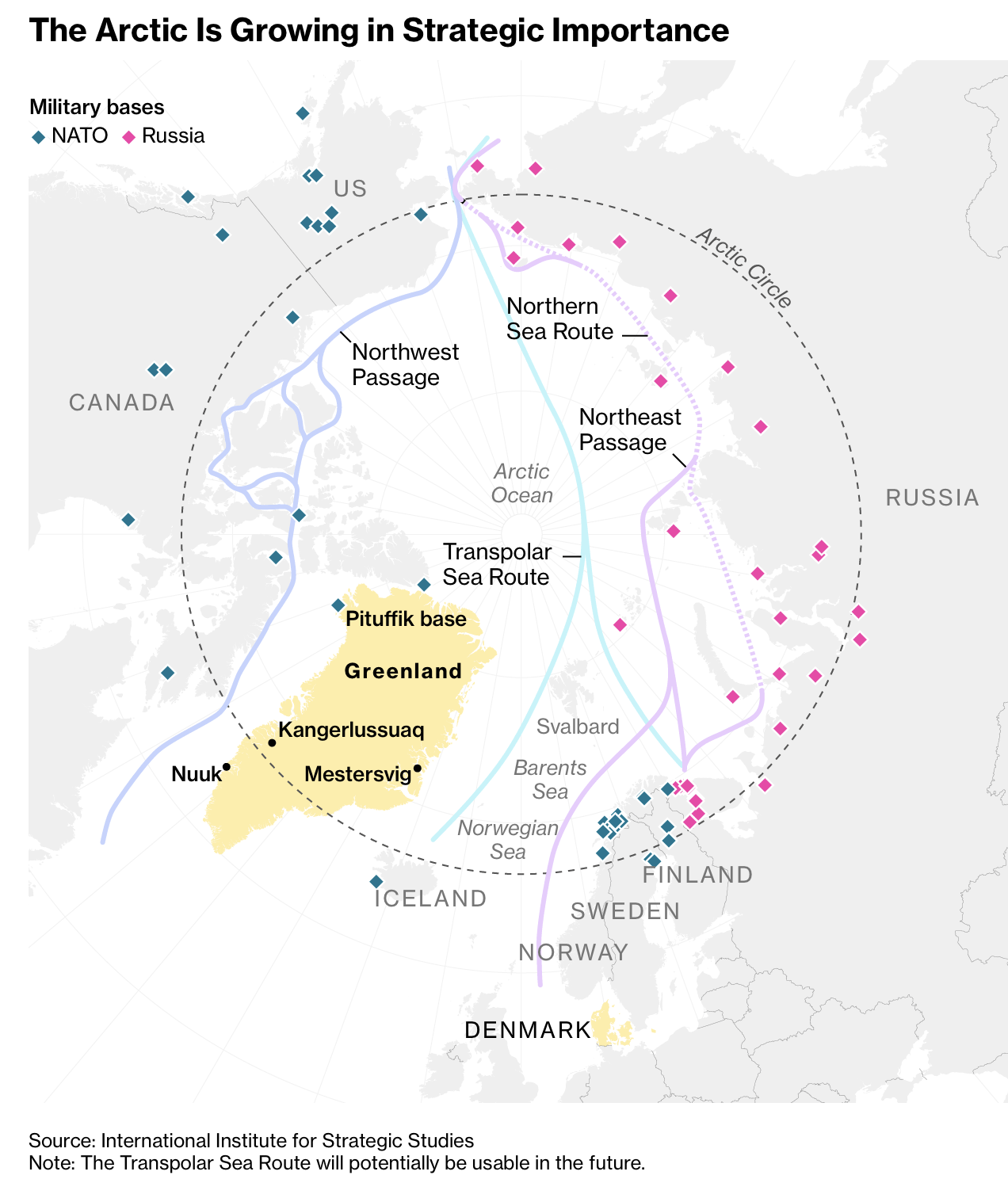
欧洲官员的核心忧虑是:若美国对属于丹麦王国、且受北约集体防卫保护的格陵兰施压甚至动武,将出现「成员攻击成员」的灰色地带。北约的第5条并未明确规定此情境下如何处置,可能使自第二次世界大战结束以来(约1945年后)的安全架构面临停摆风险;丹麦首相在2026年1月6日公开警告这将让北约与既有安全承诺「全部停止」。
文中也点出力量消长:气候变迁开启新航道与资源,使北极重要性上升,俄罗斯与中国已加码投入;若西方同盟内部裂解,等于送给两国战略利益。对欧盟而言,这会把抉择推向第42条(成员互助)层级,但其军力难以正面对抗美国;在「近80年」跨大西洋同盟史与乌克兰战争压力下,部分首都可能把对美关系置于愤怒之上,反而更容易被分化。
Dated January 6, 2026 (19:48 GMT+8), the article argues that Trump’s Venezuela intervention is being used to validate a revived 19th‑century Monroe Doctrine he labels the “Donroe Doctrine.” The claimed logic is hemispheric control of “critical assets,” and Trump explicitly extends it to Greenland, saying he “absolutely” needs control for security; the White House has also framed this in a national security strategy.
Europe’s dilemma is numerical and legal: Greenland sits under NATO’s collective defense, yet NATO’s Article 5 does not specify what happens if one member attacks another. Danish Prime Minister Mette Frederiksen warned on January 6, 2026 that a US attack on a NATO country would halt NATO itself and the security order built since the end of World War II (around 1945). Leaders reiterated sovereignty and borders, but signals from Trump allies suggest coercion could follow.
Strategically, the Arctic’s rising value—new routes and resources as climate change advances—has already drawn added Russian and Chinese investment, so an intra‑alliance rupture would be a geopolitical gift. The EU faces an “unprecedented” test of Article 42 mutual assistance, but lacks the military weight to confront the US directly. After nearly 80 years of transatlantic alignment and amid Russia’s war in Ukraine, some capitals may prioritize reliance on America, making Europe easier to divide.