尽管世界杯期间西班牙酒吧利润较平时大涨25%至30%,但欧洲酒类消费长期下滑的趋势并未改变。自2019年以来,欧盟啤酒消费量已重挫9.2%,目前全欧消费的啤酒中有近十二分之一为无醇啤酒(0.0%)。在此背景下,欧洲各国围绕酒精健康警示标签与广告法规的争议急剧升级。今年3月比利时向欧盟委员会通报新规,拟禁止向未成年人投放酒类广告,并强制要求在广告中标注更直接的“饮酒有害健康”(取代现有的“酗酒有害健康”),引发了法国、意大利、罗马尼亚和斯洛伐克等主要产酒国的强烈抗议。
产酒国与公共卫生部门之间的矛盾反映了深层的文化与经济分歧。传统地中海产酒国将红酒视为地中海饮食与文化遗产的核心,强调适度饮用有益健康,坚决反对将酒精“烟草化”为社会毒物;而波罗的海与北欧等“伏特加地带”国家由于长期受烈酒酗酒困扰,倾向于推行激进的控酒立法。2018年爱尔兰成为首个强制在酒瓶上标注致癌与孕期警示的国家,遭到多国反对且因美国指责其构成贸易壁垒而推迟至2028年实施。立陶宛则在多起恶性酒驾致死事件后通过了几乎全面的广告禁令,并在过去十年中与比利时一同成为经合组织(OECD)中人均饮酒量降幅最大的国家。
尽管医学界认为酒精消费不存在绝对“安全剂量”,但在适度饮酒与公共健康干预之间仍存广泛争议,批评者认为每周少量饮酒的风险微乎其微,严苛标签犹如将日光浴、吃培根或喝65°C以上热咖啡等日常致癌风险全盘标签化。目前欧洲议会推行全欧统一健康警示的努力因文化对立而停滞,欧盟2021年癌症计划设立的警示时限均已逾期。与此同时,无醇饮品的爆炸式增长正成为酿酒行业应对控酒浪潮与消费习惯转变的新商业出路。
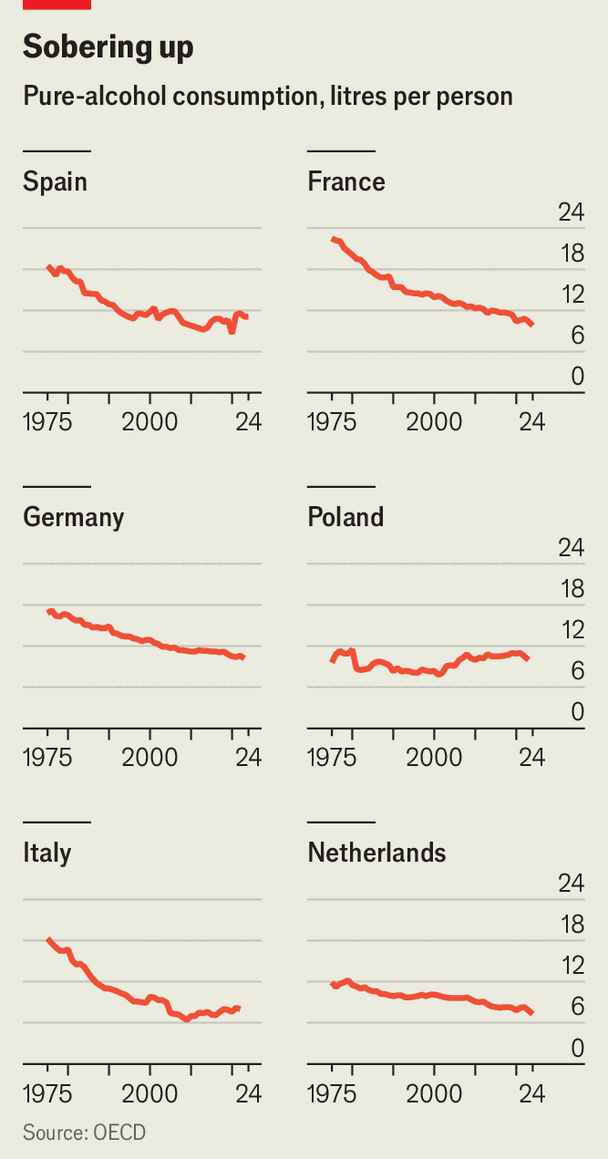
Although the World Cup temporarily lifted Spanish bar profits by 25-30% on match days, Europe's alcohol industry faces long-term structural decline. Beer consumption across the European Union has fallen by 9.2% since 2019, with non-alcoholic varieties expanding to represent nearly one out of every 12 beers consumed. Against this backdrop, a sharp regulatory battle has erupted over public health warnings. In March, Belgium notified the European Commission of plans to ban alcohol marketing to minors and mandate direct warnings stating that "alcohol is harmful to health"—replacing "alcohol abuse"—drawing formal objections from wine producers including France, Italy, Romania, and Slovakia.
This clash highlights profound cultural and economic divisions between Europe’s Mediterranean wine-producing regions and northern "vodka belt" nations. Mediterranean countries defend wine as integral to their cultural heritage and health, fiercely resisting efforts to stigmatize alcohol like tobacco. In 2018, Ireland became the first EU member to mandate cancer and pregnancy labels on bottles; following fierce objections from Mediterranean states and American trade complaints, implementation was postponed until 2028. Conversely, Lithuania instituted sweeping retail curbs and near-total advertising bans following fatal drunk-driving accidents, joining Belgium as the two OECD countries with the steepest declines in alcohol intake over the past decade.
Public health advocates cite growing clinical evidence linking alcohol consumption directly to cancer, asserting there is no safe intake threshold. However, critics argue that placing blanket health warnings on moderate consumption—such as a few weekly drinks—is disproportionate, comparing it to everyday carcinogenic risks like sunbathing, eating bacon, or drinking hot beverages above 65°C. With EU-wide warning targets from the 2021 Cancer Plan continually missed due to regional stalemate, beverage manufacturers are rapidly expanding zero-alcohol product lines to adapt to evolving consumer preferences.
Source: European countries are battling over rules on booze
Subtitle: Belgium wants advertisers to note that alcohol is bad for you, Italy does not
Dateline: Aug 27th 2026