中国不孕不育的负担明显加重:育龄夫妇的不孕不育率从2007年的约12%升至2020年的约18%,而辅助生殖治疗周期从2013年的约23.6万次跃升至2019年的110多万次。到2022年,约600家持牌诊所通过辅助生殖技术带来约30万名新生儿,约占全国出生总数的3%,但这一规模相对于全国需求仍然偏小。
这种扩张正发生在急剧恶化的人口背景下:总和生育率已从2017年的1.8降至如今每名女性终生仅生育1个孩子,远低于维持人口稳定所需的2.1。政策支持也在扩大,2025年全国托育补贴为每名3岁以下儿童每年发放3600元,单次试管婴儿费用约为2万至5万元,2024年仅医保报销试管婴儿治疗的人数就已超过100万,到2025年年中31个省级地区已全部纳入相关保障。
但数字也表明其局限性:患者越来越多地在30多岁后期就诊,而此时成功率会明显下降,而且试管婴儿只能解决不孕不育,无法解决不想生育。地区差距同样很大,2023年至2025年年中,北京这个2200万人口地区有5.3万多人获得报销,而人口规模相近的吉林在2024年覆盖后的第一年受益女性不到6000人;在较贫困地区,连一次治疗费用都可能高于年人均可支配收入,因此即使补贴和准入进一步放宽,也难以从根本上扭转人口下滑。
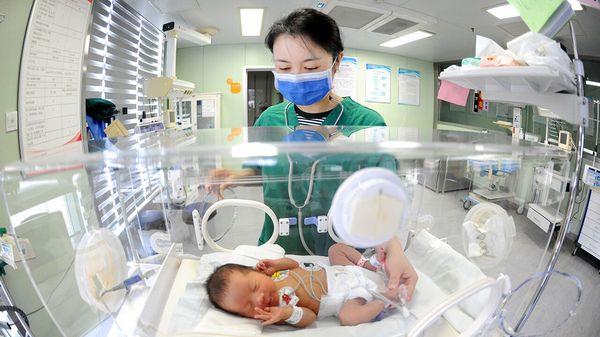
China’s infertility burden has risen sharply: the share of reproductive-age couples struggling with infertility increased from about 12% in 2007 to about 18% in 2020, while assisted-reproduction treatment cycles jumped from about 236,000 in 2013 to more than 1.1 million in 2019. By 2022, roughly 600 licensed clinics produced around 300,000 births through assisted reproductive technologies, about 3% of the national total, but that scale remains small relative to national need.
This expansion is unfolding against a much worse demographic backdrop: the fertility rate has fallen from 1.8 in 2017 to just one child per woman over a lifetime, far below the 2.1 needed for population stability. Policy support is also widening, with a nationwide 3,600-yuan annual child-care allowance per child under three launched in 2025, IVF cycles costing about 20,000-50,000 yuan, more than 1 million people reimbursed for IVF in 2024 alone, and all 31 provincial-level regions covering such treatment by mid-2025.
Yet the numbers also show the limits: more patients are arriving in their late 30s, when success rates drop sharply, and IVF addresses infertility rather than reluctance to have children. Regional gaps are also large, with more than 53,000 people reimbursed in Beijing, a municipality of 22 million, from 2023 to mid-2025, versus fewer than 6,000 women in similarly sized Jilin in the first year after coverage began in 2024; in poorer areas, even one treatment cycle can exceed annual disposable income per person, so broader subsidies and looser access are unlikely to reverse demographic decline on their own.
Source: China hopes IVF can slow its baby bust
Subtitle: That may be overambitious
Dateline: 3月 05, 2026 04:15 上午