日本在对华紧张加剧背景下推进在与台湾相距约110公里的与那国岛部署中程地对空导弹(Type 03 Chu-SAM,射程约48公里)的计划。防卫大臣小泉进次郎上月上任后首次视察该基地,强调部署可降低遭受武力攻击的概率,并否认会升高地区紧张。此举属于日本在西南岛链的更大规模军备扩张,包括石垣岛的反舰导弹、宫古岛的监视与弹药设施,以及冲绳美日基地协同。2022年中国因佩洛西访台进行环岛军演时,弹道导弹曾落在与那国岛以南区域,凸显其在台海冲突中的前线位置。
中国外交部称该部署“极其危险”,并指责日本挑动军事对抗;日方则反驳北京要求撤回相关表态“毫无依据”。11月7日,日本首相高市早苗提到在中国攻台时与他国共同出动自卫队的理论可能性,引发北京强烈反应与经济报复,并加剧日方担忧卷入台海冲突。相关争端加大日本市场波动,上周东京市值蒸发约1270亿美元,并可能推升防务类股票的交易关注。
美国与日本持续进行联合备战演练,美军近期自冲绳向与那国岛运补以模拟前进基地构建。与那国岛自2024年起设有电子战部队,并拥有雷达站监控周边空海域。小泉表示日本正面临“二战后最严峻复杂的安全环境”,必须加强自卫队与美军的协作以提升威慑力。与此同时,中国官媒借题发挥,质疑日本对琉球群岛的主权,尽管当地居民普遍不支持独立,但担忧岛上军事设施在冲突中成为攻击目标。
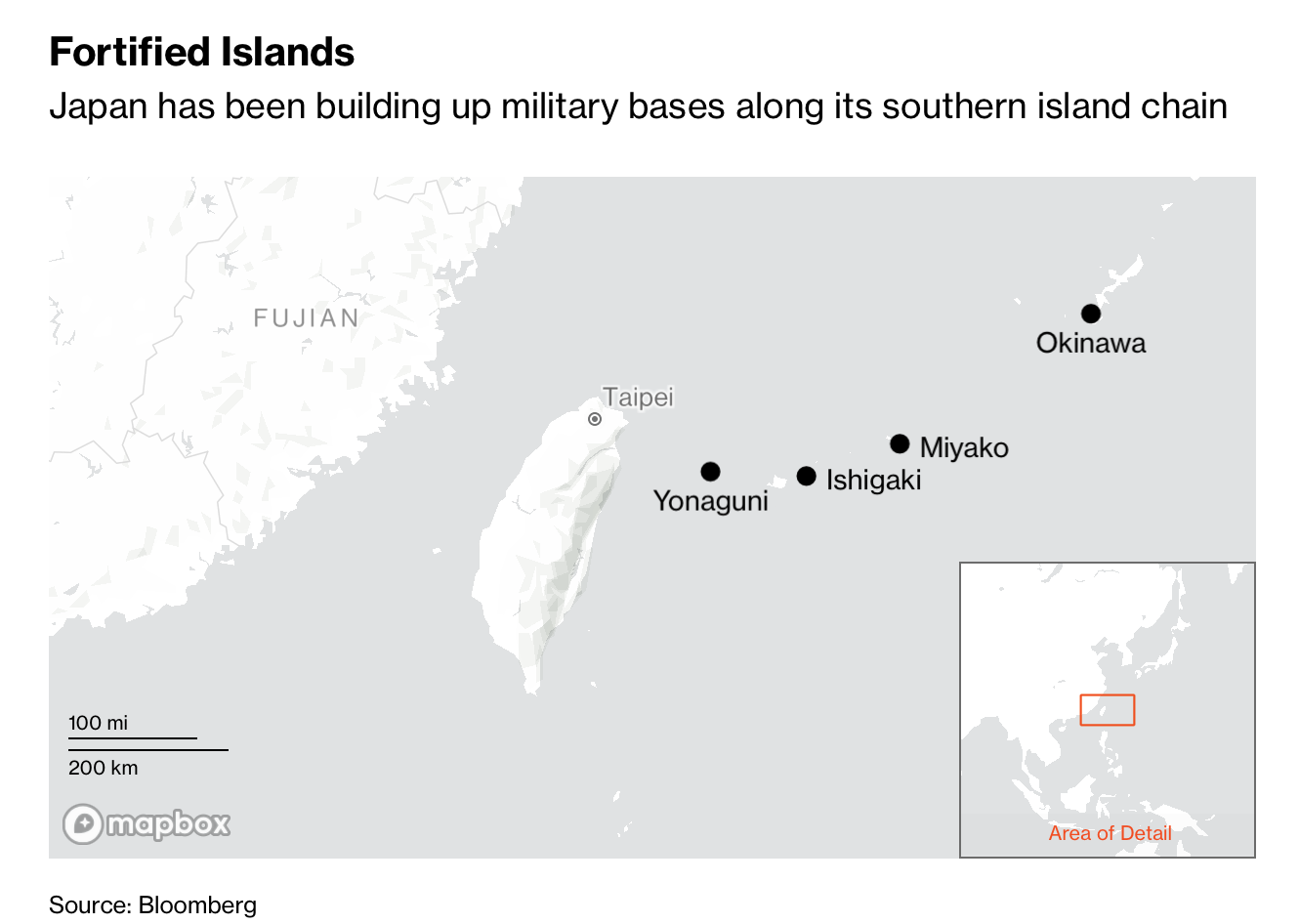
Japan is advancing plans to deploy medium-range Type 03 Chu-SAM missiles (≈48-kilometer range) on Yonaguni Island, roughly 110 kilometers east of Taiwan, as tensions with China rise. Defense Minister Shinjiro Koizumi, visiting the base for the first time since taking office last month, argued the deployment reduces the risk of armed attack and rejected claims it heightens tensions. The move is part of a larger buildup across the southwest island chain, including anti-ship missiles on Ishigaki, surveillance and ammunition facilities on Miyako, and extensive US-Japan infrastructure on Okinawa. During China’s 2022 drills following Nancy Pelosi’s Taiwan visit, ballistic missiles landed just south of Yonaguni, underscoring its frontline position.
China’s Foreign Ministry denounced the deployment as “extremely dangerous,” while Japan dismissed Beijing’s demands for retraction as “entirely baseless.” On Nov. 7, Prime Minister Sanae Takaichi raised the theoretical possibility of deploying the Self-Defense Forces with other nations if China attacked Taiwan, triggering Chinese retaliation and deepening fears of entanglement in a Taiwan conflict. Market turbulence followed, with about USD 127 billion erased from Tokyo-listed stocks last week, likely directing investor attention toward defense shares.
US-Japan joint preparedness continues, including recent US exercises transporting supplies from Okinawa to Yonaguni to simulate a forward operating base. Yonaguni hosts a radar installation and an electronic-warfare unit established in 2024. Koizumi warned Japan faces its “most severe and complex security environment since World War II” and must strengthen Self-Defense Force capabilities and US cooperation. Meanwhile, Chinese state media has questioned Japan’s sovereignty over the Ryukyu Islands, though local residents—few of whom support independence—remain wary of being targeted in any regional conflict.