这些来信以《国富论》250周年为契机为亚当·斯密辩护,并强调应与《道德情操论》(1759)互为补充;作者指出劳动价值论在无资本的原始情境中才被提及且已被奉为“常识”长达两千年,而斯密更着力于市场的“讨价还价”,并用制针分工展示专业化带来的千倍生产率提升。它们还强调观念转向:国家财富不应以金银或政府与贸易顺差衡量,而应以人民的消费来衡量。
关于政治与分配,来信认为民粹与极端政党的上升并非由英国的代议制投票方式造成,并以2011年公投中选民以68%对32%否决较温和的“选择投票制”为例;相较之下,比例代表制可能让小党与单一议题政党获得不成比例的筹码并推高极端立场。与此同时,在许多西方国家,平均实际工资停滞已超过四十年,而经济增长的大部分收益流向一小撮人,这被视为中间派吸引力衰退的统计性背景。
关于AI与日常细节,来信提到用大模型把《圣经》译成全球约7,000种语言的计划可能因模型倾向“添加内容”而与经文末尾“不可增添”的警告相冲突,并借《九十亿个上帝之名》的意象来表达对“九十亿”这一终点式任务的忧虑。其他数字化描写包括:商务酒店淋浴可能要花20分钟才能调好水温,一顿单人餐可达100美元,以及一位读者回忆在1950年代15岁时观看使碧姬·芭铎成名的电影。
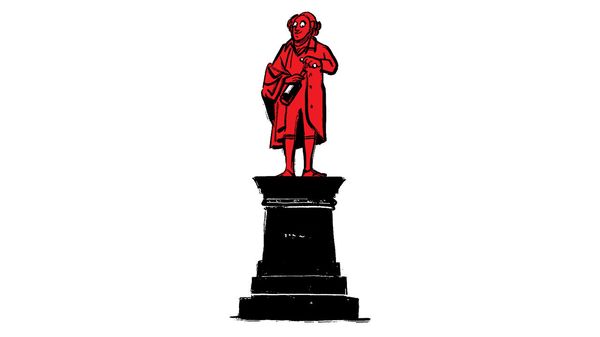

Letters defend Adam Smith on the 250th anniversary of The Wealth of Nations and stress it should be read as complementary to The Theory of Moral Sentiments (1759); the labour theory of value is treated as a two-millennia inheritance tied to a primitive world without capital, while Smith’s focus shifts to market “higgling and bargaining” and a pin-factory lesson in thousandfold productivity from specialization. They also frame a measurement pivot: national wealth should be judged by people’s consumption rather than by gold and silver, government wealth, or trade surpluses.
On politics and distribution, correspondents argue populism’s rise is not caused by Britain’s representative voting system, citing the 2011 referendum that rejected the Alternative Vote by 68% to 32%; proportional representation, they warn, can reward small and single-issue parties and amplify more extreme apparatchiks. In parallel, average real wages in much of the West are said to have been stagnant for more than four decades while most growth accrues to a tiny group, a statistical backdrop to declining centrism.
On AI and everyday details, letters note a plan to use LLMs to translate the Bible into every one of the planet’s roughly 7,000 languages, but warn that models’ tendency to add text clashes with scripture’s closing prohibition, invoking the ominous “nine billion” endpoint of a classic story. Other numeric snapshots include hotel showers that take 20 minutes to figure out, a lonely $100 meal, and a reader who saw Brigitte Bardot’s breakout film in the 1950s at age 15."""
Source: Was our review of the “Wealth of Nations” at 250 uncharitable?
Subtitle: Also this week, populism, translating the Bible, cats, business hotels, Brigitte Bardot
Dateline: 1月 08, 2026 05:48 上午